Mandatory Pharmacy Surveillance
India Proposes Mandatory CCTV Surveillance at Retail Pharmacies to Curb Unauthorized Sales
Anonymous
Key Points
1
The draft would amend Rule 65 of the Drugs Rules, 1945 by inserting a provision requiring CCTV systems to be installed and maintained at licensed premises in a way that allows individual drug sales to be verified.
2
The Drugs Consultative Committee had previously recommended that cameras be positioned specifically so that drug sales could be verified, providing a more detailed rationale for the surveillance requirement than simply monitoring pharmacy premises.
3
The proposal is linked to wider regulatory discussions about tracking and tracing narcotic and psychotropic medicines across the supply chain; expert committees reportedly examined CCTV use for NDPS medicines in meetings held in April and August.
4
Government sources cited by NDTV said the measure also responds to concerns that medicines intended for adults, including some cough-syrup formulations, are sometimes supplied to children without appropriate medical supervision.
5
The ministry specified that public submissions can be sent to the Under Secretary (Drugs) at the Ministry of Health and Family Welfare or emailed to drugsdiv-mohfw@gov.in during the consultation period.
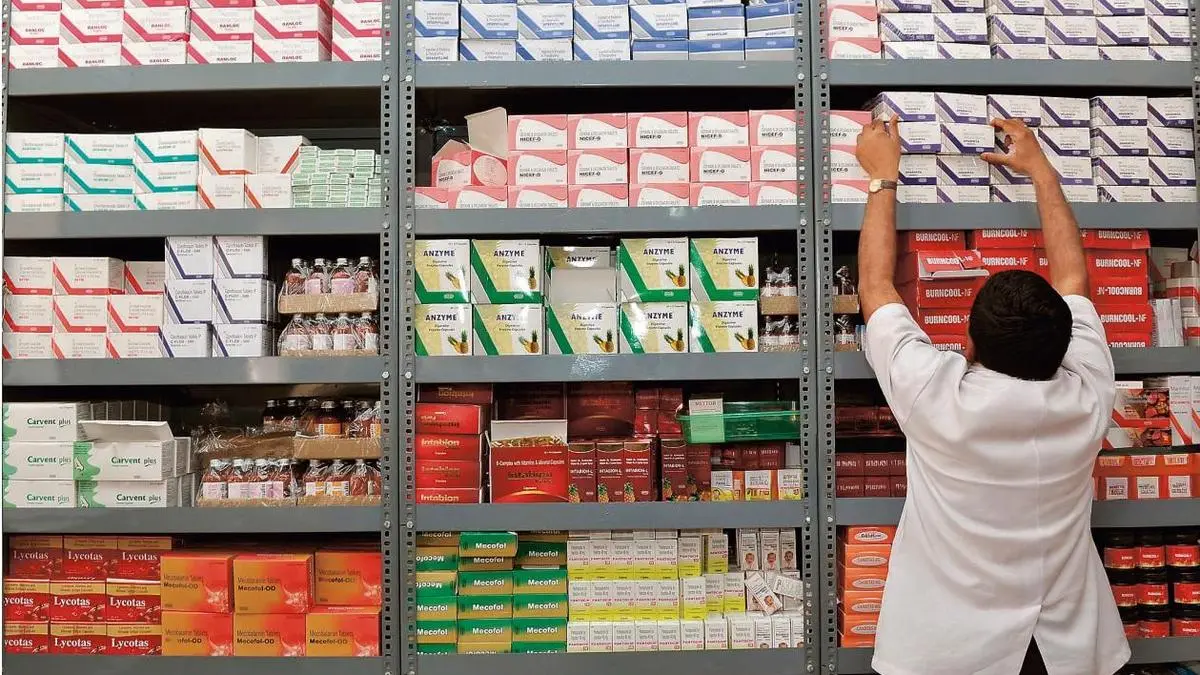
India's Health Ministry has proposed a major shift in pharmacy oversight, requiring CCTV cameras at all licensed retail pharmacies and medical stores that sell prescription drugs. The Federal reports the draft amendment targets Schedule H, H1, and X medicines—highly regulated drugs that require doctor approval. The move aims to prevent illegal sales and create a permanent record of every transaction over a The Hindu Business Line cited three-month minimum storage period.
The proposal stems from concerns that prescription medicines—including some cough syrups meant for adults—are being sold to children without proper medical oversight, NDTV Profit reports. The government says cameras positioned to capture individual drug sales will improve accountability. However, pharmacists' groups say the plan is unworkable. The Health Ministry is now seeking public feedback for 30 days before moving forward.
What the Draft Amendment Actually Requires
The amendment modifies Rule 65 of the Drugs Rules, 1945, forcing pharmacies to install and maintain CCTV systems that clearly show individual drug sales. Business Standard explains the regulation targets licensed retail premises selling prescription medications. Cameras must record transactions in a way that allows regulators to verify which specific medicines were dispensed to customers.
Wholesale drug transactions are excluded from the requirement. The Drugs Consultative Committee previously recommended precise camera positioning so that drug sales remain verifiable. Outlook India notes the system would apply to prescription medicines, though the wording may potentially cover additional drugs beyond the three restricted schedules.
Tracking Narcotic Medicines Across the Supply Chain
This CCTV proposal connects to a larger government strategy for controlling dangerous drugs. Expert committees examined CCTV use for NDPS (narcotic and psychotropic) medicines in meetings held in April and August. The Hindu Business Line reports the surveillance is part of India's push to track these powerful medicines from manufacture through final sale to prevent diversion and black-market distribution.
The Health Ministry believes cameras at the retail point are critical. Every transaction becomes a documented record that auditors can review. This creates accountability at the final step where most illegal distribution happens—when pharmacists sell restricted drugs without prescriptions or to inappropriate customers like minors.
Pharmacy Industry Says the Plan Would Paralyze Stores
The Federal reports that India's chemists' bodies have filed strong objections. Pharmacy owners argue that CCTV surveillance at retail counters would be impractical and expensive. They worry about costs, privacy concerns for patients, and the logistical burden of maintaining systems and managing three months of recorded footage for thousands of daily transactions.
Industry groups claim the rule would slow down pharmacy operations and place an unfair burden on small businesses. Despite these concerns, the Health Ministry remains committed to the proposal as a tool to combat prescription-drug abuse and protect vulnerable populations like children from accessing inappropriate medicines.
The Government Is Now Taking Public Feedback
The Health Ministry has opened a 30-day consultation period for objections and suggestions from stakeholders and the public. Outlook India reports that submissions can be emailed to drugsdiv-mohfw@gov.in or sent directly to the Under Secretary (Drugs) at the Ministry of Health and Family Welfare.
The proposal already won approval from both the Drugs Consultative Committee and the Drugs Technical Advisory Board, but it is not yet final. The ministry's consultation phase will determine whether the amendment proceeds, gets modified, or faces rejection based on stakeholder feedback.
Sentiment
Mostly NegativeNEGATIVENEUTRALPOSITIVE
Publishers
24
Articles
24
Reach
48
A
AnonymousAuthor