Energy Supply Disruptions
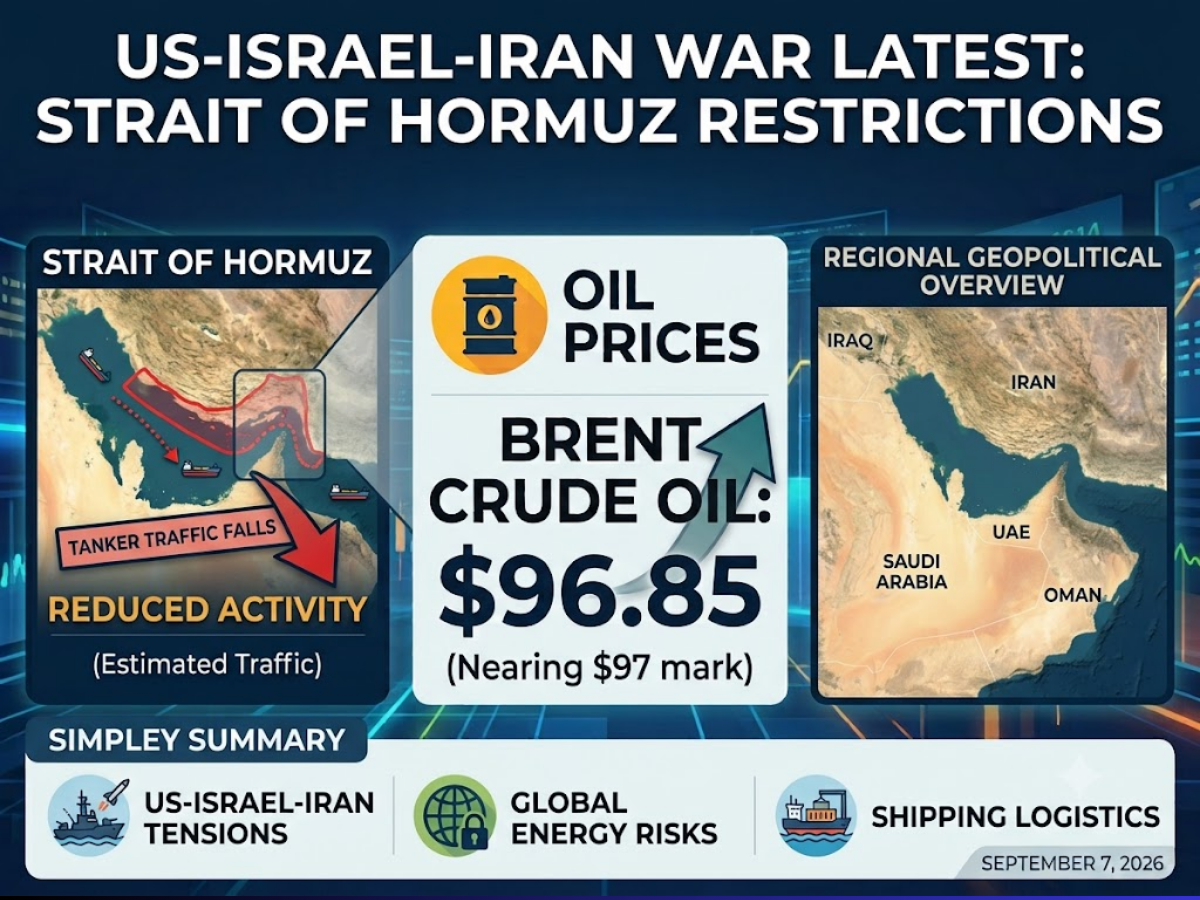
Oil prices approach $97 per barrel as Strait of Hormuz shipping disruptions intensify.
Anonymous
Key Points
1
U.S. nonfarm payrolls increased by 162,000 in August, prompting markets to assign a 57%–60% probability to a Federal Reserve rate hike at its September meeting and weighing on gold prices.
2
OPEC+ left its October oil-output policy unchanged, saying it needed to agree on new production quotas before making further decisions.
3
Iranian security chief Mohsen Rezaei said Iran and Oman had agreed on a new international shipping corridor, alongside Tehran’s planned restricted zone outside Hormuz.
4
The U.S. attack on the three Iranian oil tankers reportedly destroyed one of them, adding to the escalation of risks for commercial maritime traffic.
5
European natural-gas prices rose 4.2% in thin trading, while Indonesia was considering a weekly work-from-home policy to reduce fuel consumption amid the shipping disruption.
Oil prices surged toward $97 a barrel Monday as U.S.-Iran military clashes and Iran's new restricted shipping zone outside the Strait of Hormuz threatened to disrupt global energy supplies. IBTimes reported Brent crude rose to $96.80, while West Texas Intermediate climbed to $92.14 — gains of roughly 8% and 10% last week alone.
The U.S. military confirmed strikes on three Iranian oil tankers, which GuruFocus said triggered more than 1% jumps in oil prices. Tanker traffic through the critical strait has collapsed, leaving traders uncertain how long disruptions will last and whether Brent will breach $100.
U.S. Strikes Escalate Persian Gulf Tensions
The United States targeted three Iranian oil tankers in what Washington described as retaliation for Iran's own ship attacks. IBTimes confirmed the strikes destroyed at least one vessel, marking a sharp escalation. Iran's security chief Mohsen Rezaei countered that Tehran had struck vessels using unauthorized shipping routes.
The U.S. plans to keep warships in the region to restrict Iranian oil exports and guard commercial shipping. This sustained military presence signals the conflict is far from over — adding to trader fears that oil prices could remain elevated for weeks or months.
Iran Creates New Shipping Corridor to Bypass Strait
To sidestep U.S. pressure, Iran agreed with Oman to establish an alternative international shipping corridor. Tehran also announced a restricted zone outside the Strait of Hormuz, signaling it plans to regulate traffic in the world's busiest oil chokepoint. These moves show Iran is fighting back economically while militarily escalating.
The Strait of Hormuz handles roughly one-third of all seaborne oil. Even partial blockage could push Brent well above $100, analysts warn. ViewsBangladesh noted that escalating tensions have already driven prices to their highest level in months.
Fed Rate Hike Fears Knock Gold and Boost the Dollar
Gold weakened near $4,410 an ounce as stronger U.S. jobs data shifted trader focus away from safe-haven assets. The Labor Department reported nonfarm payrolls rose 162,000 in August — enough to push probability of a September Fed rate hike to 57–60%. Higher rates make gold, which pays no interest, less attractive.
FXStreet strategists at UOB said oil gains offset some market volatility. But the competing forces — oil supply fears pushing prices up, stronger dollar and rate-hike odds pushing safe-haven assets down — leave investors whipsawed. European natural gas jumped 4.2% in thin trading.
Oil Shock Ripples Through Emerging Economies
Higher energy costs pose a threat to oil-importing nations like India, which faces rising inflation as crude approaches $97. Indonesia is weighing a weekly work-from-home policy to slash fuel use and limit the damage from shipping disruptions. OPEC+ held output steady in October, saying it needs time to negotiate new production quotas.
Analysts say the real test comes if disruptions persist. A deeper or longer-lasting supply shock could push Brent past $100, triggering fresh inflation worries across Asia and Europe. For now, markets are pricing in significant geopolitical risk — and waiting to see whether the U.S. and Iran can step back from the brink.
Sentiment
Mostly NegativeNEGATIVENEUTRALPOSITIVE
Publishers
39
Articles
23
Reach
62
A
AnonymousAuthor


