Young-Onset Alzheimer's MAID
B.C. Woman Dies at 49 by MAID Following Young-Onset Alzheimer's Diagnosis
Anonymous
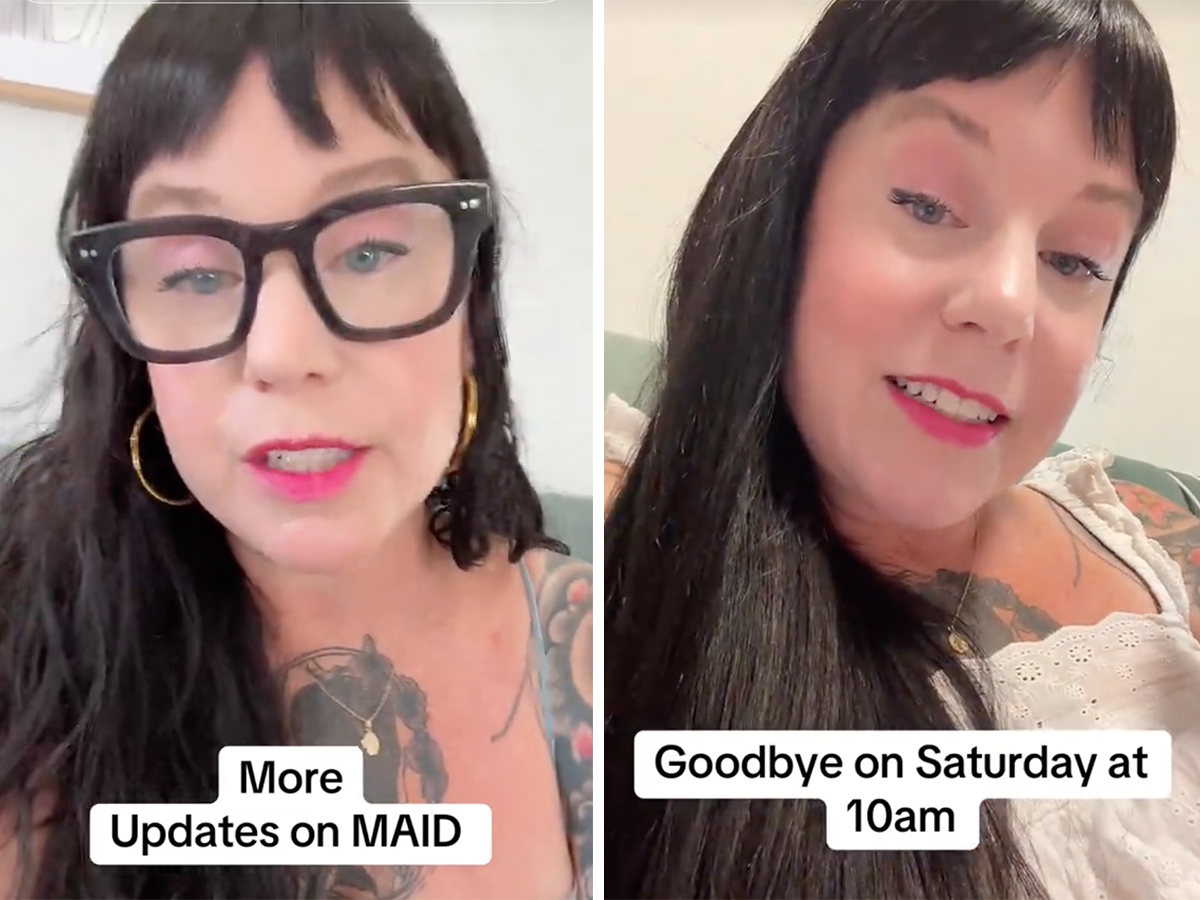
Luna Findlay, a 49-year-old woman from British Columbia, died by medical assistance in dying (MAID) after being diagnosed with young-onset Alzheimer's disease at age 48. Her story has drawn widespread attention to a devastating illness that can strike people decades before old age. "This was chosen for me," she said of her diagnosis, not her death — a phrase that captures the sense of a future stolen without warning.
Findlay first noticed something was wrong at age 46. She initially blamed forgetfulness on stress, perimenopause, and ADHD, according to The Province. A neurologist eventually confirmed the diagnosis. Facing a rapid decline, she chose to die before she could no longer recognize her family.
From Everyday Forgetfulness to a Life-Altering Diagnosis
Findlay's cognitive decline began around age 46. For two years, she and those around her assumed the memory lapses had ordinary explanations. Stress, hormonal changes from perimenopause, and ADHD all seemed like plausible culprits. It was not until a neurologist ran a full assessment that the real cause became clear: young-onset Alzheimer's disease.
Young-onset Alzheimer's is diagnosed in people under 65. It is rare, but not as rare as many assume. About 28,000 people in Canada are currently living with young-onset dementia, according to Heather Cooke, manager of research and knowledge mobilization at the Alzheimer Society of B.C. Alzheimer's disease is the most common cause of young-onset dementia.
A Rapid Decline and the Decision to Choose MAID
After her diagnosis, Findlay's condition moved quickly. She reported that she was declining at a pace that left little time. Her goal was clear: she wanted to die while she could still remember her loved ones. Waiting risked losing that window entirely.
MAID — medical assistance in dying — is legal in Canada for people with a grievous and irremediable medical condition. Alzheimer's disease can qualify. Findlay applied and was approved. She died at 49, just over a year after her diagnosis. A fundraiser page set up in her memory shared details of her final months.
'This Was Chosen for Me': A Life Interrupted at 48
Findlay's words — "this was chosen for me" — were about the disease, not her death. She made clear that she had no say in getting Alzheimer's. But she did have a say in how her life ended. That distinction mattered deeply to her and to those who loved her.
Her story puts a human face on a condition that is often invisible. Young-onset dementia can affect people in their 40s and 50s — people who are still working, still raising children, still planning for the future. Findlay's case is a reminder that dementia does not only affect the elderly.
What Luna Findlay's Story Means for Alzheimer's Awareness
Heather Cooke of the Alzheimer Society of B.C. noted that young-onset dementia is widely misunderstood. Many people — including doctors — do not think to look for Alzheimer's in someone in their 40s. That delay in diagnosis can cost patients precious time to plan and make decisions while they still can.
Findlay's case may push more Canadians to learn the early signs of cognitive decline and to seek answers sooner. With 28,000 people living with young-onset dementia in Canada today, her story is far from unique — even if her courage in sharing it was extraordinary.
Sentiment
NeutralNEGATIVENEUTRALPOSITIVE
Publishers
6
Articles
5
Reach
6
A
AnonymousAuthor


