Voter Order Blocked
Federal Appeals Court Upholds Ruling Halting Trump's Voter List Executive Order and Mail Ballot Limits
Anonymous
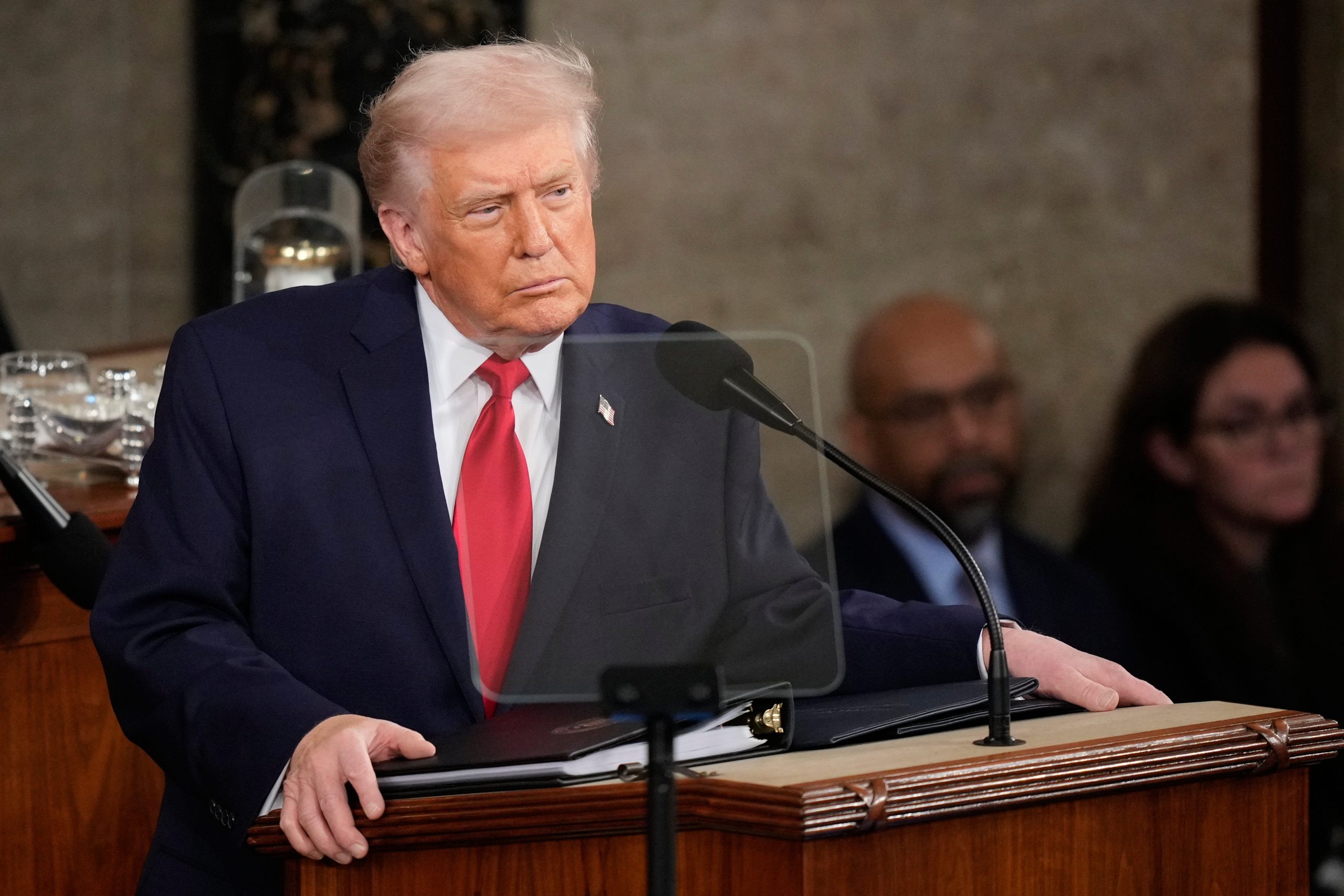
President Donald Trump traveled to Michigan to tout his sweeping tariff policy, calling it a win for American workers and the economy, according to Michigan's Thumb. The visit came as his administration faced a separate legal setback on voting rules.
A federal appeals court upheld a lower court ruling that blocked Trump's executive order to build a federal list of eligible voters and restrict mail ballots only to those on that list, according to NBC Right Now. The ruling keeps the order on hold while legal battles continue.
Trump Champions Tariffs Before Michigan Crowd
Trump made Michigan the backdrop for his economic pitch, praising the broad tariffs his administration has imposed on imported goods, according to Michigan's Thumb. Michigan is home to the U.S. auto industry, making it a key state for any tariff argument. Trump framed the taxes on imports as a way to bring factory jobs back to American soil.
Senate Majority Leader John Thune also weighed in, responding to Trump's calls to pass the SAVE Act, according to Michigan's Thumb. The SAVE Act would require proof of citizenship to register to vote. Thune's response signals the issue remains a priority for Republican leaders on Capitol Hill.
Appeals Court Blocks Trump Voter List Order
The federal appeals court ruling keeps in place a block on Trump's executive order targeting mail ballots, according to Yakima Herald. The order would have created a national list of approved voters. Only people on that list would receive mail ballots. Critics called it a threat to voting access.
The court's decision means the executive order cannot take effect while lawsuits move forward, according to WAND TV. Voting rights groups had sued to stop the order almost immediately after Trump signed it. The ruling is a significant legal loss for the White House's efforts to reshape how Americans vote.
What the Voter Registration Fight Means for 2026
The blocked executive order was part of a broader Trump push to tighten federal control over elections, according to Erie News Now. The administration has argued that non-citizens are voting illegally, though studies show such cases are extremely rare. Courts have so far been skeptical of that rationale.
With midterm elections approaching in 2026, the outcome of these legal fights could shape how millions of Americans cast their ballots, according to Herald Bulletin. If courts continue to block the orders, states will largely keep running elections on their own terms. If Trump wins in court, it could mean major changes to mail voting nationwide.
Tariffs and Voter Rules: Two Fights at Once
Trump is now waging two major policy battles at the same time — one on trade, one on voting, according to BDT Online. His Michigan speech kept the focus on tariffs and manufacturing jobs. But the court ruling on voter lists pulled attention back to Washington's legal battles. Both fights are likely to intensify in the months ahead.
The dual front reflects a White House strategy of pushing hard on multiple issues at once, according to Oskaloosa. Supporters say it shows bold leadership. Critics say it spreads political and legal resources thin. Either way, both fights are far from over.
Sentiment
NeutralNEGATIVENEUTRALPOSITIVE
Publishers
11
Articles
11
Reach
11
Topics
A
AnonymousAuthor


