Betting Rule Scrutiny
ITIA Investigates Top Tennis Players Over DraftKings Promotional Party at US Open
Anonymous
Key Points
1
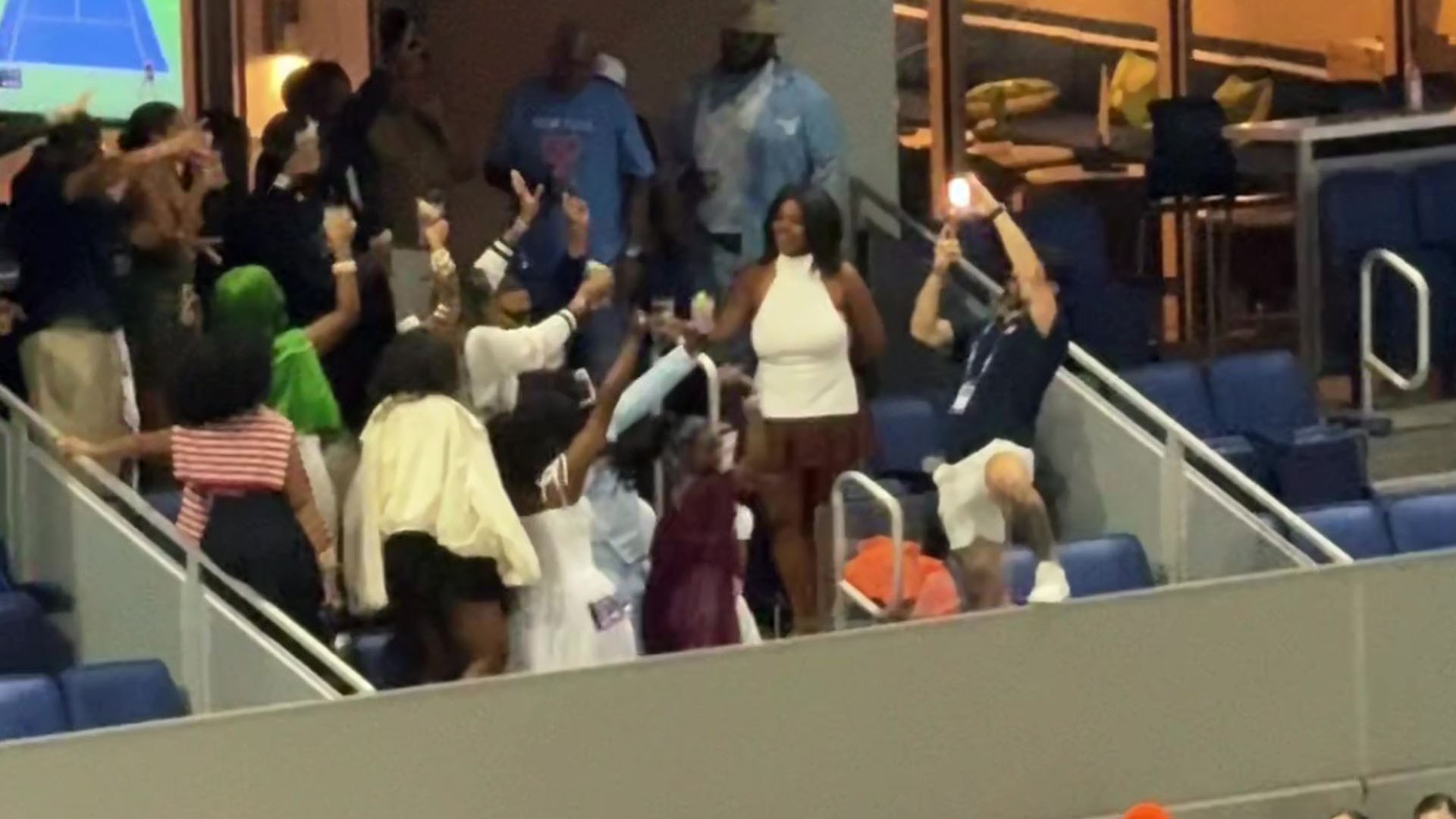
The DraftKings event being investigated was hosted by “well-connected Miami nightlife impresario” Dave Grutman, whose website lists DraftKings as a “partner,” and multiple top players including Serena Williams, Coco Gauff, Aryna Sabalenka, Mirra Andreeva and Taylor Fritz posed for photos in front of a DraftKings wall.
2
Rothenberg cited specific tennis anti-corruption provisions that could apply even without proof of direct player payments—Rule D.1.b (“No Covered Person shall, directly or indirectly, facilitate, encourage and/or promote Tennis Betting”) and Rule D.1.q (“No Covered Person… may endorse… be employed, sponsored and/or otherwise engaged by a Tennis Betting Operator”).
3
The report notes precedent: former players James Blake, Mardy Fish, and Bob Bryan have previously been penalized for being paid to promote gambling companies—supporting the ITIA’s scrutiny of appearances tied to betting marketing.
4
On the influencer front, Reuters (via Channel NewsAsia) reported that about 100 creators received US Open accreditation, with 20 focused exclusively on food and drinks—examples given included “caviar-topped chicken nuggets” and the “Honey Deuce” cocktail—alongside match-time reprimands when staged shoots occurred.
5
For Jasmine Paolini’s $2 bill, the article adds that Paolini told the New York Post: “I was like, okay. I put it in the bag and it [will] stay with me. We’ll see if it’s going to work,” and it also notes the bill’s rarity context—about 1.7 billion $2 bills active in the US versus 55.6 billion paper bills in circulation.
The International Tennis Integrity Agency is investigating a DraftKings promotional event held the night before the US Open, after top players including Serena Williams, Coco Gauff, and Aryna Sabalenka posed for photos at the betting brand's booth. ESPN reports the ITIA is reviewing whether the appearances violate tennis anti-corruption rules that bar players from promoting gambling operators, even without evidence of direct payments.
The investigation highlights growing tension between the tournament's commercial interests and player conduct. Meanwhile, the US Open has also grappled with an influx of social media influencers—about 100 received accreditation—whose content creation during matches has drawn complaints from players and fans alike.
DraftKings Event Raises Betting Promotion Concerns
Dave Grutman, a Miami nightlife promoter whose website lists DraftKings as a partner, hosted the event the night before the tournament began. ESPN notes that Mirra Andreeva and Taylor Fritz also appeared alongside Williams, Gauff, and Sabalenka at a booth featuring a DraftKings branded wall for photos.
The ITIA's scrutiny centers on two specific anti-corruption rules: Rule D.1.b bars covered persons from promoting tennis betting, while Rule D.1.q prohibits endorsements by or partnerships with betting operators. ESPN points out the agency needs no proof of direct payment—appearances tied to betting marketing can trigger violations. Previous penalties against James Blake, Mardy Fish, and Bob Bryan for paid gambling promotions set a precedent.
Influencers and Distractions Disrupt Tournament Atmosphere
About 100 content creators received US Open accreditation this year, with roughly 20 focused exclusively on food and beverage coverage. Reuters reported examples include posts about "caviar-topped chicken nuggets" and the "Honey Deuce" cocktail. However, some influencers triggered reprimands for staging photo shoots during active match play.
Players have voiced frustration over the distractions. Naomi Osaka and Jessica Pegula both criticized the disruptions, while Daniil Medvedev said selfie lights and cameras can interfere with athlete focus. Reuters noted the tournament faces a balancing act: while influencer content can broaden the audience, it risks undermining the match experience for competitors and serious spectators.
Lucky $2 Bill Becomes Fan Tradition for Paolini
Italian player Jasmine Paolini received an unusual gift after her win on an outer court: a $2 bill from a fan who called it a lucky charm. New York Post reported that Paolini told the fan, "I was like, okay. I put it in the bag and it will stay with me. We'll see if it's going to work." She plans to carry it throughout the tournament.
The $2 bill is genuinely rare. About 1.7 billion $2 notes are in active circulation in the US, compared to 55.6 billion for other denominations. Paolini's decision to keep the bill in her competition bag adds a human-interest moment amid the tournament's broader controversies.
Sentiment
Mostly NegativeNEGATIVENEUTRALPOSITIVE
Publishers
18
Articles
44
Reach
62
A
AnonymousAuthor


