Dual Central Bank Rate Cuts
Kazakhstan and Russia Central Banks Trim Key Rates Amid Diverse Economic Landscapes
Anonymous
Key Points
1
Kazakhstan's NBK set a policy corridor of plus or minus one percentage point around the 16.75% base rate, underscoring a measured, data-driven easing approach rather than a predetermined path.
2
NBK officials indicated that each Monetary Policy Committee member prepared their own inflation and growth forecasts and voted independently, highlighting diverse, individually assessed viewpoints within the committee.
3
June 2026 inflation in Kazakhstan registered a breakdown: annual inflation at 10.3%, food inflation at 10.4%, non-food at 11.7%, while services inflation rose to 9% on higher prices for non-regulated services.
4
Kazakhstan’s first-half 2026 GDP rose 4.1% overall, about 5.3% excluding mining, with strong momentum in construction, processing, and transport; investment climbed 9.6%, and non-commodity investment excluding public funds jumped 28.9%.
5
In Russia, the July move to 14.0% kept monetary conditions moderately tight despite the rate cut, with growth only modest as capacity constraints persisted partly due to fuel shortages from strikes on refineries; underlying inflation sits near 4% and inflation expectations have risen on a widening budget deficit.
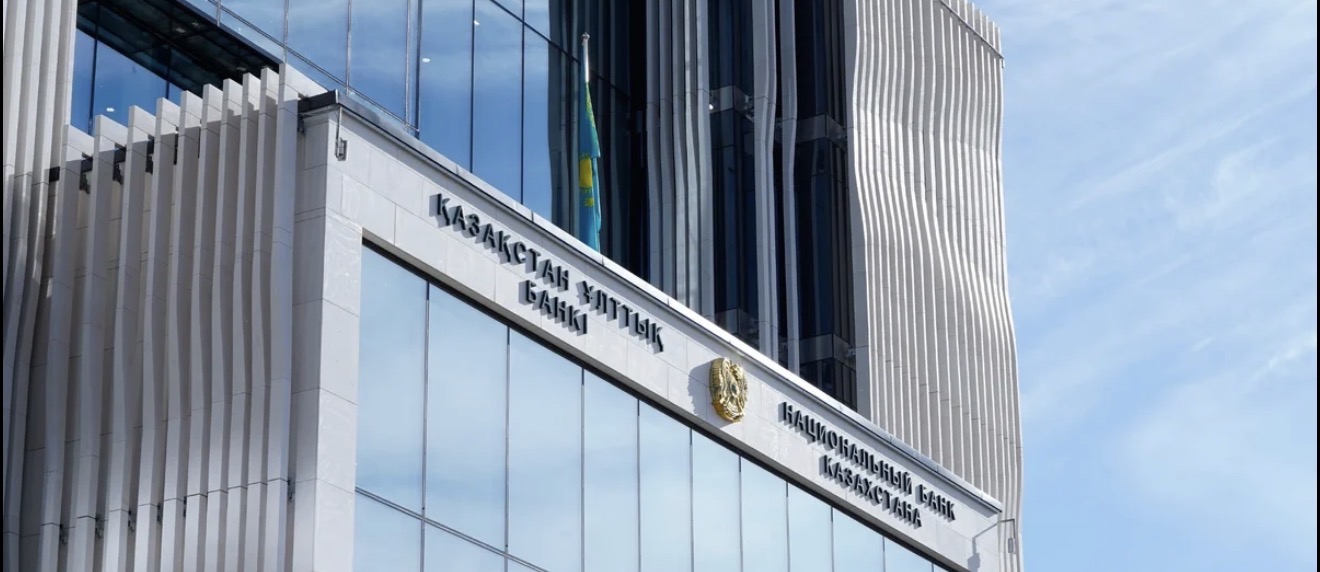
Kazakhstan's National Bank cut its base rate to 16.75% on Friday, citing nine straight months of slowing inflation. The move follows a steady easing cycle as annual inflation fell to 10.3% in June 2026, according to Astana Times.
Across the border, Russia's central bank trimmed its key rate from 14.25% to 14.0% — its tenth consecutive cut — despite rising inflation pressure from drone attacks on oil refineries, Morningstar reported.
Kazakhstan Cuts Rates After Nine Months of Falling Inflation
Kazakhstan's Monetary Policy Committee voted to lower the base rate by 25 basis points to 16.75%. The bank set a policy corridor of plus or minus one percentage point around that rate. Officials called the move data-driven and stressed there is no predetermined path forward, according to Astana Times.
Disinflation was driven by a stronger tenge, tight monetary policy, and government anti-inflation measures. But the bank flagged that monthly price momentum may be weakening. Food inflation ran at 10.4%, non-food at 11.7%, and services inflation climbed to 9% on higher prices for private services.
Kazakhstan's Economy Grows 4.1% in First Half of 2026
Kazakhstan posted strong economic numbers even as the bank kept policy tight. GDP rose 4.1% in the first half of 2026. Strip out mining, and growth hit 5.3%. Construction, manufacturing, and transport all showed strong gains, according to Astana Times.
Investment climbed 9.6% overall. Non-commodity investment — excluding public funds — surged 28.9%. Each committee member prepared their own inflation and growth forecasts and voted independently, showing a range of views inside the bank on the path ahead.
Russia Cuts Rates Again Despite Drone-Driven Inflation Risk
Russia's central bank cut its key rate to 14.0%, down from a peak of 21% in 2025. The Bank of Russia said underlying inflation sits near 4% and that monetary conditions remain moderately tight even after the cut, according to MarketScreener.
Ukraine's drone strikes on Russian oil refineries disrupted fuel supplies and pushed costs higher. The bank called the fuel-price spike temporary. But inflation expectations are rising on the back of a widening budget deficit. Russia also recorded its first annual GDP contraction in three years in Q1, TASS reported.
Both Banks Signal Caution Despite Continued Easing
Neither central bank signaled a rush to cut further. Kazakhstan's NBK said policy would stay data-driven with upside risks to inflation still present. Russia's Bank of Russia noted growth is constrained by capacity limits tied partly to refinery disruptions, Morningstar reported.
The shared message from both Almaty and Moscow: disinflation progress is real, but risks remain. Future rate moves will depend on incoming data — not a fixed schedule. Policymakers in both countries are walking a careful line between supporting growth and keeping inflation in check.
Sentiment
Mostly NegativeNEGATIVENEUTRALPOSITIVE
Publishers
17
Articles
132
Reach
149
A
AnonymousAuthor


