NFF Leadership Resigns
NFF President Gusau Resigns Amid Mounting Governance and Financial Scrutiny
Anonymous
Key Points
1
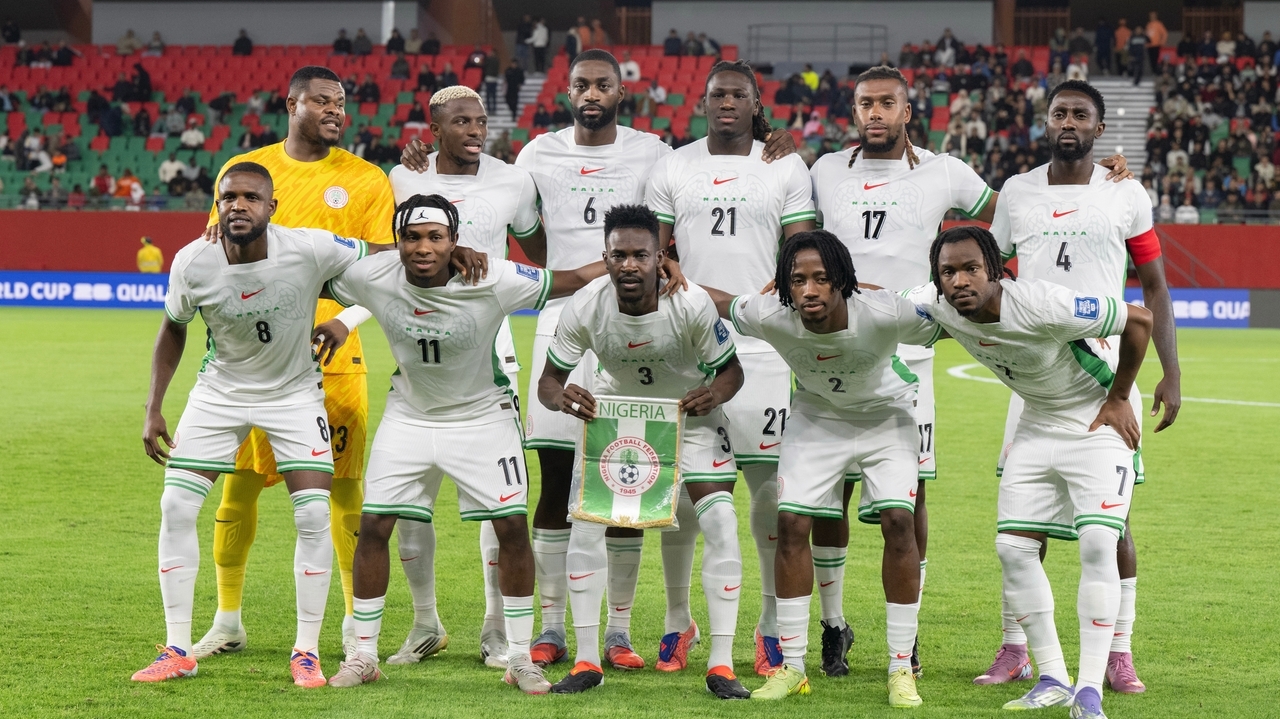
Nigeria’s national teams endured a cascade of failures: the Super Eagles failed to qualify for the 2026 FIFA World Cup (lost to DR Congo on penalties), the Super Falcons were eliminated in the 2026 AWCON quarter-finals by Cameroon and then fell 2-1 to South Africa in the World Cup playoff, and the Golden Eaglets missed the 2026 U-17 World Cup; the Falcons’ coach Justin Madugu was subsequently dismissed.
2
The National Sports Commission halted the NFF elective congress scheduled for September 27 in Lafia and signaled the potential establishment of a normalisation committee to oversee reform, with officials noting the Federal Government did not order the resignations.
3
Anti-corruption and security agencies are probing government funds linked to Nigerian football, including a 12 billion Naira intervention package to settle unpaid wages and bonuses, with some reports also citing a 17 billion Naira Tinubu bailout; authorities have suggested records are with the anti-graft agencies for potential prosecution.
4
Observers expect a major leadership reset through an interim administration or normalization committee to oversee elections and reform the NFF as part of the ongoing restructuring.
Nigeria's football leadership collapsed on August 27 after mounting pressure over the country's catastrophic World Cup failures and a 12–17 billion Naira government fund scandal. NFF President Ibrahim Musa Gusau and General Secretary Dr. Mohammed Sanusi resigned at a press conference in Abuja, with eight of 13 Executive Committee board members already gone. The exodus follows the Super Eagles' penalty loss to DR Congo in November 2025, the Super Falcons' first-ever Women's World Cup miss, and the Golden Eaglets' failure to reach the U-17 tournament.
Anti-corruption agencies are investigating whether government funds meant to pay player wages were diverted. Security officials issued a 24-hour ultimatum days before the resignations, and the National Sports Commission halted a planned NFF election, signaling a normalisation committee could take over to reform the federation according to Punch Newspapers.
Three Years of Failed National Teams
Nigeria's football program cratered under Gusau's watch. The Super Eagles missed the 2026 FIFA World Cup after a 4–3 penalty loss to DR Congo in November 2025 per Afrik-Foot. The Super Falcons then lost 2–1 to South Africa in World Cup qualifying, marking the first time in history the women missed the tournament. Youth teams also tanked: the Golden Eaglets failed to reach the 2026 U-17 World Cup, and the Falcons' coach Justin Madugu was dismissed after the qualifying collapse.
Missing 12 Billion Naira in Player Wages
In January 2024, President Tinubu approved a 12 billion Naira (later reported as 17 billion) bailout to clear 15 months of unpaid player bonuses and coaching salaries according to Score Nigeria. By August 2026, anti-corruption agencies began probing the fund's trail. A law firm filed a Freedom of Information request on August 11, and the NFF's General Secretary acknowledged on August 18 that all financial records had been transferred to anti-graft bodies per allAfrica.com.
Security agencies issued a reported 24-hour ultimatum on August 21 as investigations intensified reported by News Central. Observers noted the NFF's refusal to release records under transparency laws pointed to institutional lack of accountability per Businessday NG.
Normalisation Committee to Replace Suspended Election
The National Sports Commission halted the NFF's planned elective congress for September 27 in Lafia, Nasarawa State per Punch Newspapers. Authorities signaled they may appoint a normalisation committee aligned with FIFA and CAF rules to oversee elections and structural reform according to Premium Times. The interim body will reset leadership while the anti-graft investigation continues.
Gusau Claims Voluntary Reset, Investigators Tell Different Story
Gusau stated at his resignation that he personally advised board members to step down to enable a complete administrative reset per Voice of Nigeria. The outgoing leadership also cited achievements like the 2023 AFCON runner-up finish and 2025 WAFCON title reported by Legit.ng. However, analysts and media outlets like Vanguard News and SaharaReporters frame the exit as forced by intense security agency pressure over suspected public fund diversion and national security concerns.
Sentiment
Mostly NegativeNEGATIVENEUTRALPOSITIVE
Publishers
44
Articles
108
Reach
152
A
AnonymousAuthor


