AI Map Controversy
US State Department Apologizes for AI-Altered Map Mislabeling African Nations at AIDS Conference
Anonymous
Key Points
1
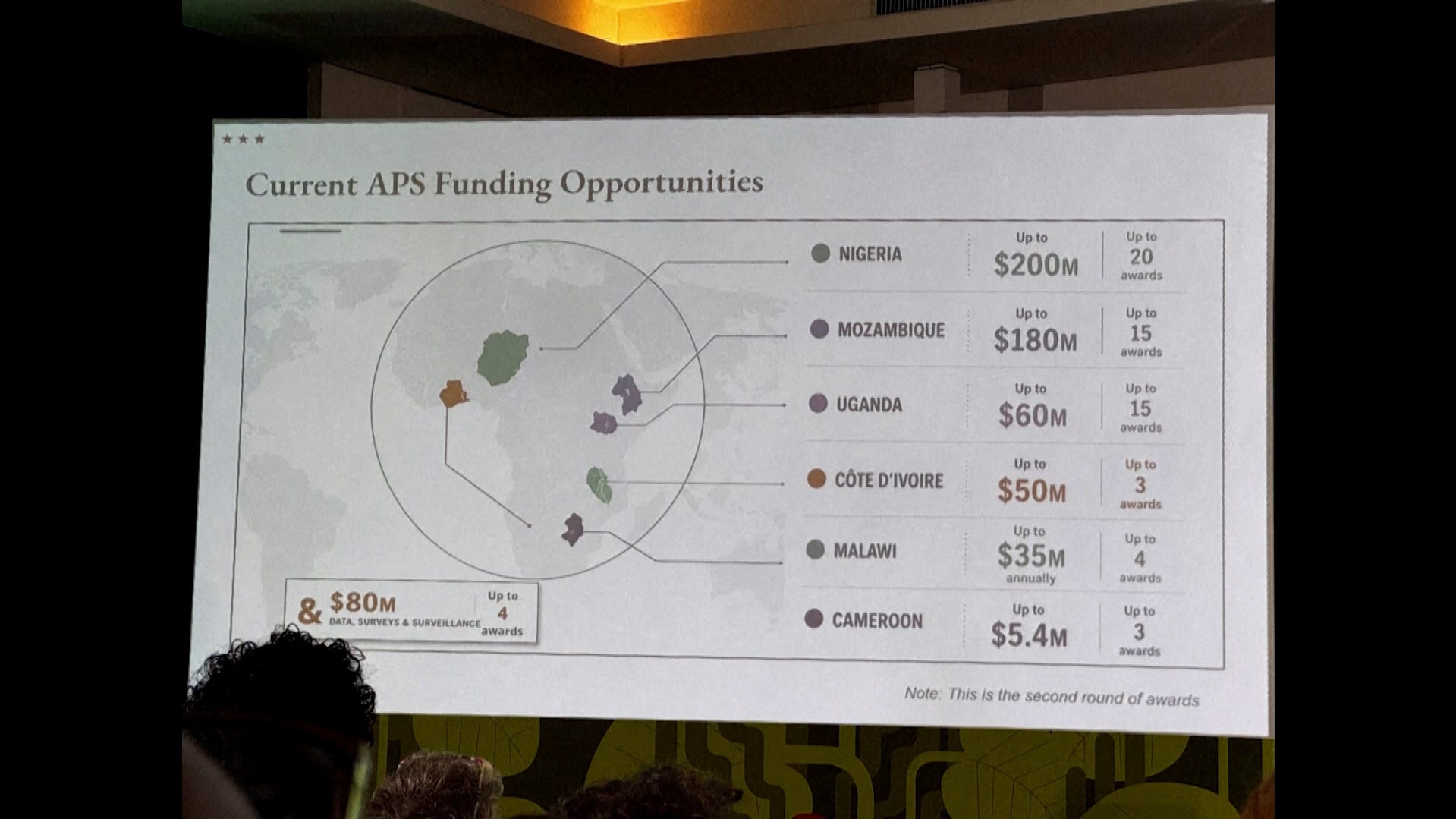
Cameroon’s name appeared on the map but there was no corresponding geographic placement, effectively omitting the country from the visual.
2
The slide depicted six African countries with major misplacements: Nigeria shown as landlocked in the Sahara, Mozambique moved to the Horn of Africa, and Ivory Coast shown as landlocked; Malawi and Uganda were the only ones in relatively correct positions.
3
Senator Jeanne Shaheen called the incident an embarrassment and connected it to broader concerns about the disbanding of career foreign-service staff in favor of AI-driven processes.
4
Analysts noted that the mishap occurred against a backdrop of significant US diplomatic staffing reductions and desk hollowing in Africa during the Trump administration’s reconfiguration, signaling weakened Federal engagement on the continent.
5
The incident was seen as potentially boosting China’s standing as a more reliable regional partner for Africa in areas like minerals, security, and trade amid perceived US diplomatic retrenchment.
A US State Department map of Africa mislabeled every country shown during a presentation at the AIDS 2026 pre-conference in Rio de Janeiro, triggering swift embarrassment and an apology. WSVN reported the map highlighted six countries — including Nigeria, Mozambique, and Ivory Coast — all placed in the wrong locations. The slide carried an OpenAI watermark, sparking immediate questions about AI use in official diplomatic materials.
The State Department called it "an unfortunate error," saying a team member altered the slide deck before the presentation. OpenAI said it is investigating its role in the incident. The blunder quickly spread across social media and Substack, amplified by observers including Emily Bass and Matt Petit.
Six Countries Shown in the Wrong Places
The map's errors were striking and specific. Nigeria, Africa's most populous country, was shown as landlocked and placed deep in the Sahara Desert. Mozambique, normally on the southeast coast, was moved to the Horn of Africa. Ivory Coast was drawn as landlocked, though it sits on the Atlantic coast. According to WSVN, Malawi and Uganda were the only countries shown in relatively correct positions.
Cameroon's name appeared on the map but had no matching geographic placement, effectively erasing the country from the visual. Comic Sands noted the errors were particularly embarrassing given the diplomatic setting — a major global health conference in Brazil attended by international partners and policymakers.
AI-Generated Slide Puts OpenAI in the Spotlight
The slide's OpenAI watermark immediately drew attention. It suggested the map was generated using an AI tool rather than produced by a human cartographer or diplomat. Jerusalem Post reported the watermark fueled debate about whether AI tools are reliable enough for use in official government presentations.
OpenAI said it is investigating the matter. The State Department did not confirm which AI tool was used or how the altered slide made it into the final presentation. The incident raised fresh questions about oversight — specifically, who reviews AI-generated content before it reaches an international stage.
Senator Shaheen Ties Map Error to Staffing Cuts
Senator Jeanne Shaheen called the incident an embarrassment and connected it to a broader pattern. She linked the map mishap to the Trump administration's decision to disband career foreign-service staff and replace human expertise with AI-driven processes. Yahoo News reported that African policy specialists expressed widespread concern about what the error signals.
Analysts say the State Department has seen significant staff reductions and "desk hollowing" on Africa — meaning fewer experienced diplomats focused on the continent. Free Press reported the error reflects weakened federal engagement at a moment when African partnerships in minerals, security, and trade are more important than ever.
China Could Gain as US Credibility Takes a Hit
Analysts warned the gaffe hands a gift to US rivals. China has steadily deepened its ties across Africa through infrastructure deals, diplomatic summits, and trade agreements. A botched map at a global health conference — with an AI watermark — makes it easier for Beijing to position itself as a more serious and attentive partner.
Yahoo News reported that observers see the mishap as a symbol of US diplomatic retrenchment. Credibility, analysts noted, is hard to rebuild once lost. For African governments weighing partnerships in areas like critical minerals and regional security, this kind of error matters beyond the embarrassment of a single bad slide.
Sentiment
Mostly NegativeNEGATIVENEUTRALPOSITIVE
Publishers
15
Articles
29
Reach
44
A
AnonymousAuthor