JetBlue's New Fare Tiers
JetBlue revamps fare structure with four experience tiers and new domestic first-class
Anonymous
Key Points
1
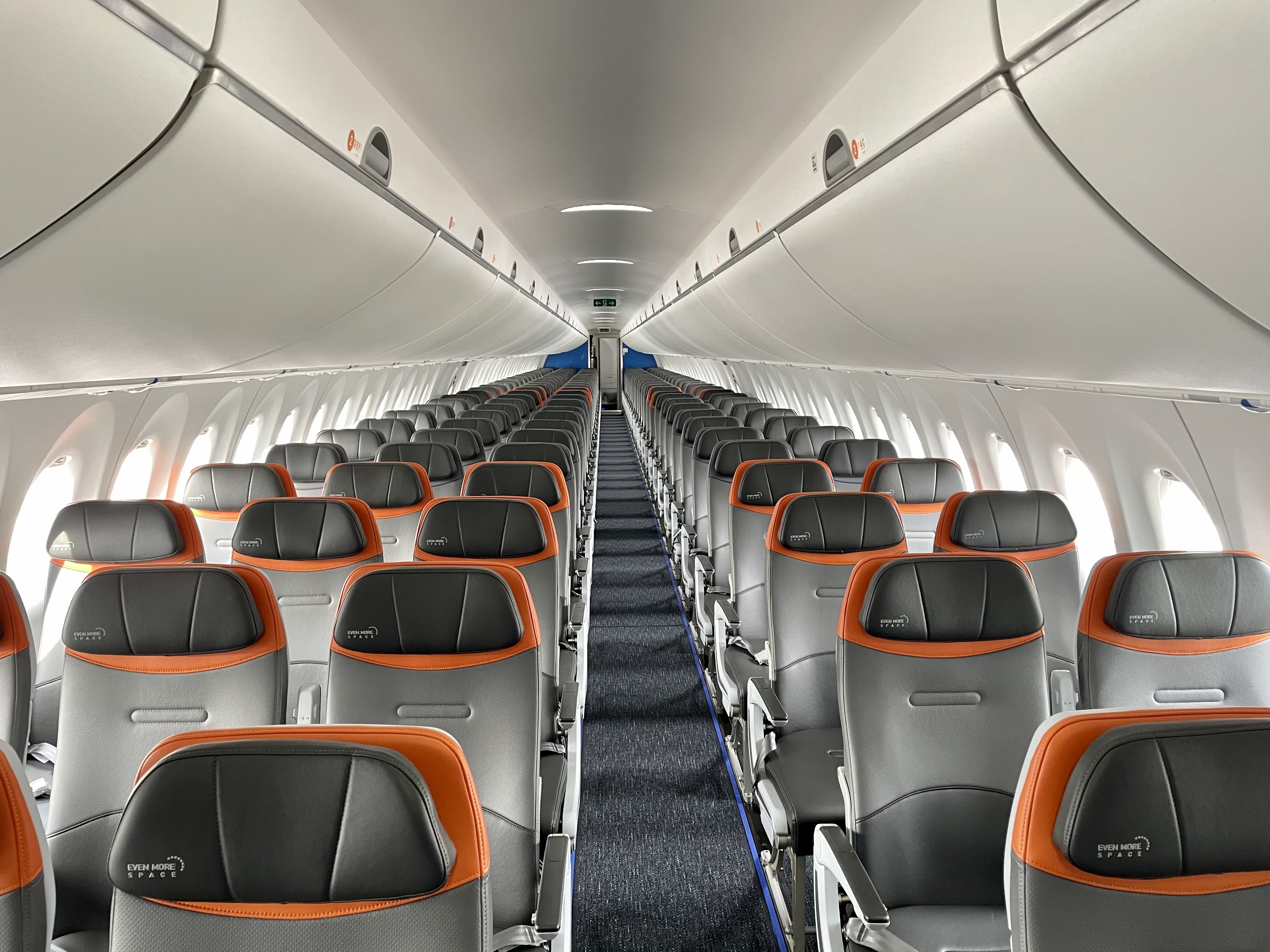
JetBlue is renaming its Core cabin to Main as part of the fare-restructure, while preserving four experiences: Main, EvenMore, BlueFirst, and Mint.
2
Within each experience, there are three fare options: Base (lowest price with no seat selection), Standard (includes seat selection, no change fees), and Flex (refunds to the original payment method). Base fares are not available in Mint.
3
BlueFirst, JetBlue’s new domestic first-class product, is slated to debut later this year on non-Mint aircraft, with further details about seating and fares to be released later this year.
4
JetBlue Chief executive Marty St. George emphasizes a two-click booking flow: first choose the onboard experience, then select the fare option based on seat selection and refundability.
5
Industry context highlights how airlines are using segmented pricing to bolster revenue amid fuel-cost volatility; JetBlue and peers have cited jet-fuel prices around $3.67 per gallon in late July, with earlier spikes near $4.88.
JetBlue is overhauling its fare structure, organizing tickets around four onboard experiences — Main, EvenMore, BlueFirst, and Mint — each with three pricing tiers. The overhaul rolls out in the coming days and sets the stage for BlueFirst, a new domestic first-class product launching later this year, according to MarketScreener.
The restructure is designed to make booking simpler. JetBlue President Marty St. George describes it as a "two-click" process: first pick the onboard experience, then pick how much flexibility you want. The airline also renamed its Core cabin to Main as part of the refresh.
How the New Three-Tier Fare System Works
Under the new setup, every onboard experience — Main, EvenMore, BlueFirst, and Mint — comes with three fare options. Base is the cheapest, but includes no seat selection. Standard adds seat selection and drops change fees. Flex goes furthest, offering refunds back to the original payment method, according to MarketScreener.
One key limit: Base fares are not available in Mint, JetBlue's premium business-class product. That means Mint travelers must pay at least the Standard tier. Existing bookings keep their current benefits, and TrueBlue Mosaic loyalty members also retain their perks under the new structure.
BlueFirst Brings Domestic First Class to Non-Mint Planes
The biggest new product in the lineup is BlueFirst — JetBlue's first domestic first-class cabin aimed at aircraft that don't carry Mint. It slots in between the standard coach cabin and Mint, adding a premium option on shorter routes. JetBlue says full details on seating and fares will come later this year, according to Intellectia AI.
Investment firm Susquehanna raised its price target on JetBlue stock to $6 from $5 after the announcement, while keeping a Neutral rating. The firm sees a "constructive outlook" for airlines heading into second-quarter earnings, pointing to steady travel demand, according to Intellectia AI.
Fuel Costs Push Airlines Toward Segmented Pricing
The fare overhaul is not just about simplicity — it is also about money. Jet-fuel prices hit roughly $4.88 per gallon earlier this year before easing to around $3.67 per gallon in late July. Higher base fares and more upselling opportunities help JetBlue absorb that pressure, according to MarketScreener.
JetBlue is not alone. Across the industry, airlines are breaking fares into more segments to capture extra revenue from travelers willing to pay for flexibility or better seats. The strategy turns what used to be a single ticket price into a menu of choices — each one a potential upsell.
What This Means for Travelers Booking JetBlue Flights
For most travelers, the change means a new booking flow. You pick the cabin first — Main, EvenMore, BlueFirst, or Mint — and then decide how much flexibility you need. St. George says the goal is to make that choice fast and clear, without burying customers in fine print, according to MarketScreener.
Questions remain about whether the restructure will push average ticket prices higher. Analysts and travelers alike will be watching to see if Base fares stay truly low or quietly creep up as JetBlue leans on the new tiers to grow revenue. Full details on BlueFirst fares could answer some of those questions when they arrive later this year.
Sentiment
Mostly PositiveNEGATIVENEUTRALPOSITIVE
Publishers
21
Articles
99
Reach
120
A
AnonymousAuthor


