Record $3.2B Biotech Deal
Alteogen and Novartis Sign Record $3.2 Billion Subcutaneous Drug Delivery Deal
Anonymous
Key Points
1
Novartis’ ALT-B4 deal with Alteogen is valued at up to about $3.223 billion, granting exclusive rights via multiple options to apply ALT-B4 across several Novartis products, with upfront and milestone terms not disclosed publicly.
2
Earlier ALT-B4 deals with Biogen and GSK included upfront payments of $20 million each, with milestone potential of up to $549 million for Biogen and $265 million for GSK.
3
MSD’s Kytruda (pembrolizumab) subcutaneous formulation enabled by ALT-B4—Kytruda Curex—has dramatically cut administration time from about 30 minutes IV to 1–2 minutes SC.
4
The ALT-B4 program is entangled in a patent dispute with Halozyme, but industry observers anticipate that ongoing technology transfers could accelerate global expansion of ALT-B4.
5
In the same Novartis activity wave, Argo Biopharma announced a multi-asset licensing deal with Novartis worth up to $5.2 billion, including an upfront $160 million for cardiovascular-focused siRNA assets.
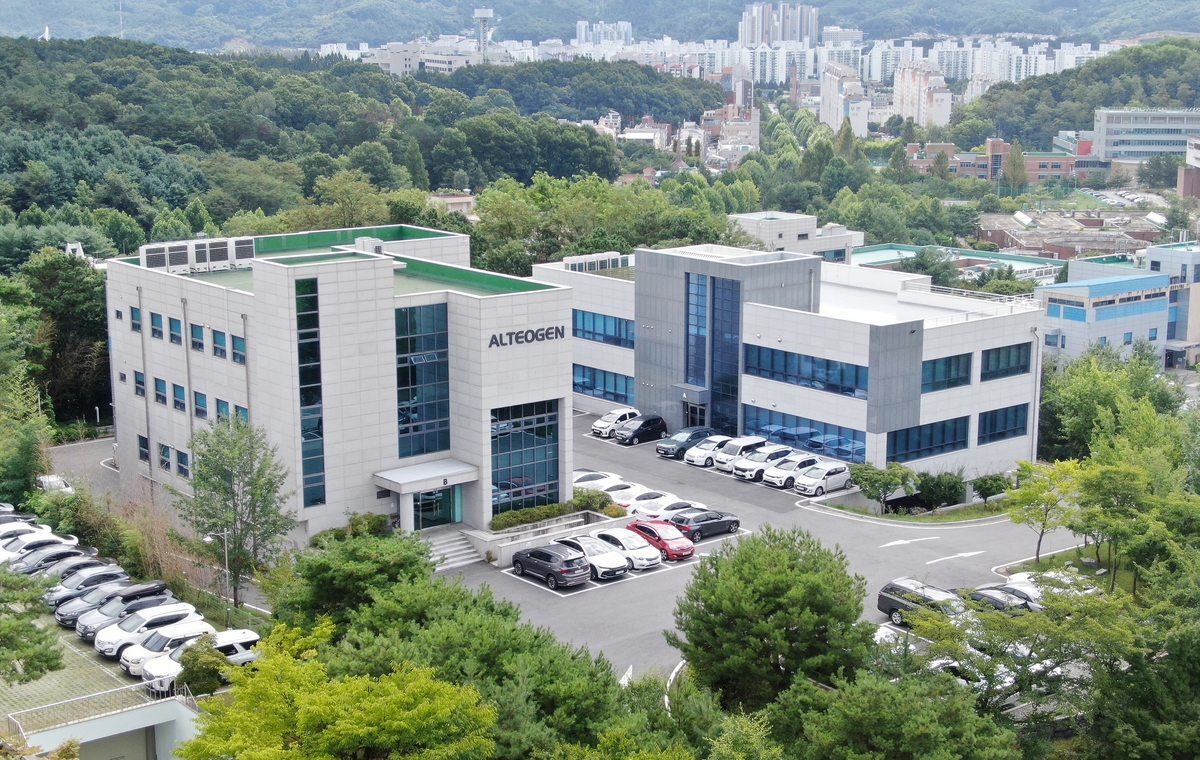
Novartis has signed a landmark licensing deal with Alteogen worth up to $3.2 billion to use ALT-B4, a technology that converts intravenous drugs into subcutaneous injections. Korea Joong Ang Daily reported the agreement grants Novartis exclusive rights to apply the enzyme across multiple products with options, milestone payments, and royalties on sales. This is Alteogen's fourth major ALT-B4 deal this year and its largest to date.
ALT-B4 works by temporarily breaking down hyaluronic acid, letting patients receive powerful biologics via quick subcutaneous shots instead of lengthy IV infusions. Fierce Biotech noted the deal joins Alteogen's growing roster of global pharma partners, including Biogen and GSK's Tesaro, signaling broad industry adoption of the subcutaneous delivery technology.
How ALT-B4 Transforms Drug Delivery
Subcutaneous injection is simpler and faster than IV infusion. SE Daily explained that MSD's Kytruda Curex, a subcutaneous version of pembrolizumab enabled by ALT-B4, cuts infusion time from about 30 minutes down to just 1–2 minutes. Patients can receive treatment faster at home or clinics with fewer complications.
The ALT-B4 enzyme temporarily dissolves hyaluronic acid in the skin, creating a pathway for large protein drugs to reach deeper tissue layers. This engineering breakthrough lets biologic drugs—often too large for subcutaneous routes—now bypass the IV requirement entirely, improving patient experience and treatment adherence across multiple disease areas.
Alteogen's Growing Pharma Partnerships
The Novartis deal caps an exceptional year for Alteogen's ALT-B4 licensing strategy. Archynetys confirmed Biogen and GSK's Tesaro each paid $20 million upfront earlier this year, with Biogen eligible for up to $549 million in milestone payments and GSK for up to $265 million. The Novartis agreement dwarfs these prior deals in total potential value.
Each new partner accelerates ALT-B4's global reach. Manufacturing Chemist reported that Novartis could exercise multiple options and hit development and commercialization milestones to unlock the full $3.2 billion value. This tiered payment model aligns incentives—partners pay more only if they succeed in bringing ALT-B4 products to market.
Patent Disputes and Competitive Pressure
Alteogen's ALT-B4 program faces ongoing patent disputes with competitor Halozyme, which offers a rival subcutaneous delivery technology. Industry observers anticipate that continued technology transfers and licensing deals could accelerate ALT-B4's global expansion despite legal headwinds. Patent clarity matters—it influences competitor confidence and market adoption rates.
The broader biotech deal wave signals strong demand for subcutaneous delivery innovation. Beyond Alteogen, SE Daily noted that Argo Biopharma announced a $5.2 billion multi-asset licensing deal with Novartis the same week, including a $160 million upfront payment for cardiovascular siRNA assets. Pharma companies are investing heavily to simplify drug administration and improve patient outcomes.
Sentiment
Mostly PositiveNEGATIVENEUTRALPOSITIVE
Publishers
14
Articles
18
Reach
32
Topics
A
AnonymousAuthor


