Nine Women’s Deaths Spur South Africa Protests
Nine Women’s Deaths Spur South Africa Protests
Anonymous
Key Points
1
Police said the first body, discovered on July 17, was naked and restrained with cable ties; a man believed to be the victim’s boyfriend was arrested and remains in custody.
2
Gauteng provincial police commissioner Fred Kekana said investigators are comparing evidence, timelines, locations, victim profiles and the circumstances of each case, while considering multiple suspects or separate perpetrators rather than assuming a serial killer.
3
The United Nations Office on Drugs and Crime recorded South Africa’s female homicide rate at 12.2 per 100,000 women in 2022—nearly six times the global average—illustrating the broader scale of the country’s femicide crisis.
4
Authorities advised women in and around Kempton Park to avoid secluded spaces and, where possible, to travel or exercise in groups as investigations continued.
5
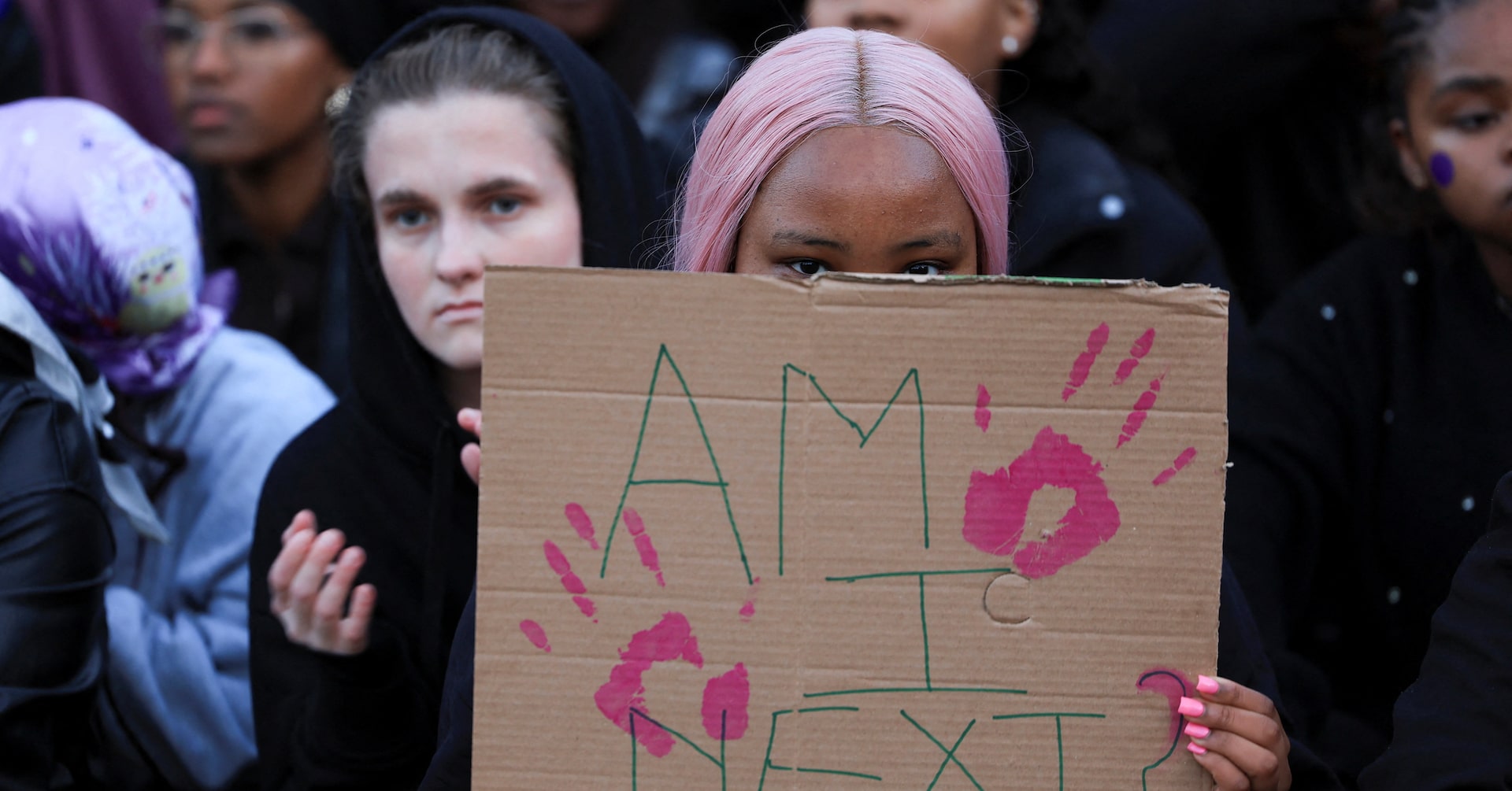
In Cape Town, protesters dressed in black held a 30-minute silent demonstration at the Castle of Good Hope and outside the Cape Town police station, while communities in Gauteng, the Western Cape and KwaZulu-Natal joined tribute events and calls for action.
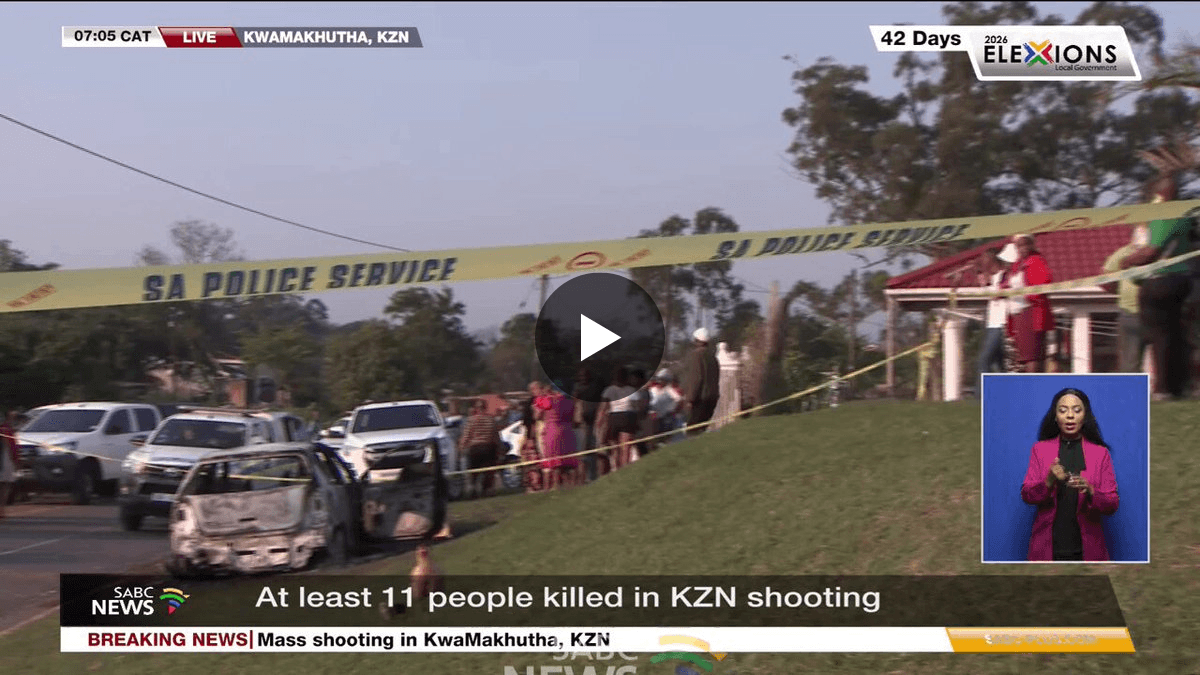
South Africa is reeling after police discovered nine women's bodies in and around Ekurhuleni, east of Johannesburg, over two months. Most victims were in their 20s and 30s, many found naked or partially clothed with signs of sexual assault, according to Reuters. The deaths have sparked memorial runs, silent protests and marches across the country as women demand safer streets.
The case of runner Elizabeth "Tsontso" Moselakgomo has intensified public fury, highlighting dangers women face while exercising, commuting and at home. Reuters reported that police arrested three people over one woman's death, though investigators are still examining whether a serial killer or multiple perpetrators are responsible. President Cyril Ramaphosa has pledged a thorough investigation and authorities have increased police deployments in Kempton Park.
A Pattern of Violence Across Johannesburg's East
The first body was discovered on July 17, naked and restrained with cable ties. A man believed to be the victim's boyfriend was arrested and remains in custody, Reuters reported. Over the following weeks, eight more bodies surfaced in the same region, alarming residents and police alike.
Gauteng provincial police commissioner Fred Kekana said investigators are comparing evidence, timelines, locations and victim profiles across cases. Rather than assuming a single killer, authorities are considering multiple suspects or separate perpetrators. The complexity of the investigation reflects the scale of the crisis unfolding in the region.
South Africa's Femicide Crisis Far Exceeds Global Norms
The deaths highlight a devastating national pattern. The United Nations Office on Drugs and Crime recorded South Africa's female homicide rate at 12.2 per 100,000 women in 2022. That is nearly six times the global average, placing the country among the world's deadliest for women outside of active war zones.
Activists argue that corruption, limited police resources and systemic failures undermine confidence in official promises. Women face danger not just from strangers but often from partners and family members. The Ekurhuleni deaths have exposed how widespread impunity allows perpetrators to act with little fear of accountability.
Public Demands Safety as Authorities Expand Search
Authorities advised women in and around Kempton Park to avoid secluded spaces and travel or exercise in groups where possible. Police expanded operations and increased patrols, but residents say these measures are insufficient. In Cape Town, protesters dressed in black held a 30-minute silent demonstration at the Castle of Good Hope and outside the police station.
Communities in Gauteng, the Western Cape and KwaZulu-Natal joined tribute events and calls for action. Demonstrators are demanding stronger policing, real accountability and systemic change. Without addressing root causes of gender-based violence, activists warn, ceremonial responses will ring hollow.
Sentiment
Mostly NegativeNEGATIVENEUTRALPOSITIVE
Publishers
22
Articles
154
Reach
176
A
AnonymousAuthor