Dimbleby Claims Diana’s Popularity Resented at Palace
Dimbleby Claims Diana’s Popularity Resented at Palace
Anonymous
Key Points
1
The disputed remark reportedly arose during an argument over William and Harry’s involvement in Princess Diana’s funeral, rather than in a general discussion about her legacy.
2
Earl Spencer rejected Buckingham Palace’s characterization of his recollection, saying: “I can tell you here and now, those are exactly the words he said.”
3
Dimbleby linked the controversy to themes explored in his 2025 documentary series, *What’s The Monarchy For?*, arguing that the monarchy remains “behind the curve” and is failing to confront institutional problems.
4
Among the broader issues Dimbleby said the monarchy has not addressed are its failure to pay tax and the persistence of its privileges; he added that “nothing ever gets done.”
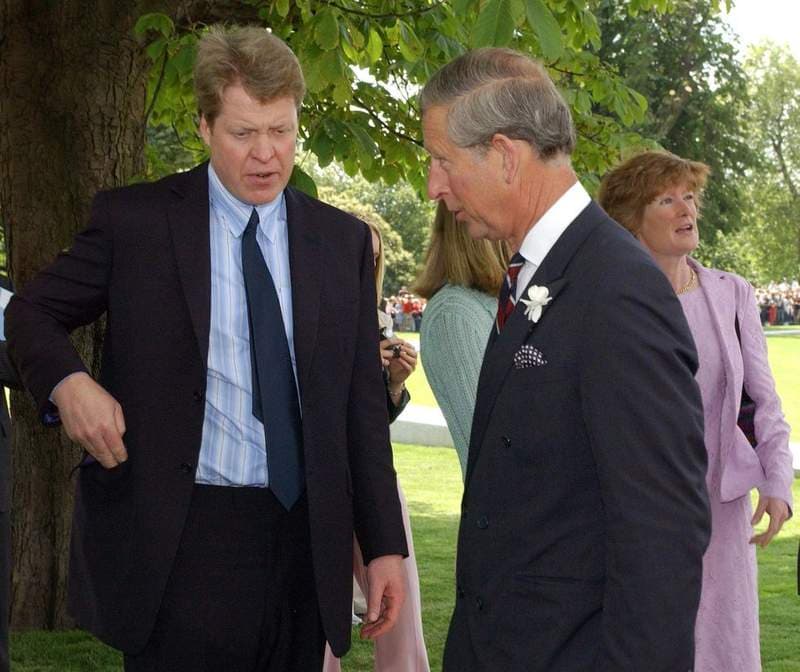
Veteran broadcaster David Dimbleby says Princess Diana's popularity and bold approach were "deeply resented" inside Buckingham Palace. BBC News reported that Dimbleby argues her ability to connect with ordinary people exposed rifts in the traditional monarchy. His comments come as Earl Spencer, Diana's brother, and the Palace clash over a claimed remark from then-Prince Charles about Diana being forgotten "soon enough" after her 1997 death.
The Palace suggested grief may have clouded Spencer's memory. Spencer fired back, saying: "I can tell you here and now, those are exactly the words he said." Dimbleby has now waded into the row, arguing the dispute over who said what distracts from bigger questions about the monarchy's wealth, tax status, and relationship with the public.
Diana's Popularity Exposed Palace Tensions
Dimbleby argues that Diana's unconventional style and public appeal clashed with how the traditional monarchy operates. BBC reported that her ability to reach ordinary people made senior royals uncomfortable. Palace insiders viewed her methods as a threat to established ways of doing things. The tension revealed cracks between the Crown's formal traditions and what modern royal life demanded.
The broadcaster linked this friction to his 2025 documentary series, What's The Monarchy For?, which examines the institution's purpose and challenges. Dimbleby suggests the monarchy has failed to confront its own institutional problems and remains "behind the curve" on modernization and public accountability.
Spencer and Palace Locked in Dueling Accounts
The current dispute centers on whether then-Prince Charles told Spencer that Diana would soon be forgotten. The remark allegedly came during an argument about William and Harry's involvement in Diana's funeral, not as a general comment about her legacy. Spencer has rejected the Palace's suggestion that grief affected his memory and judgment, insisting his account is accurate.
Express.co.uk reported that the Palace described Spencer's claims as potentially clouded by emotional distress. Spencer countered directly, leaving both sides at an impasse. Dimbleby criticized this back-and-forth as distraction from substantive issues the monarchy actually needs to address.
Monarchy Avoids Real Accountability on Wealth and Tax
Dimbleby has highlighted bigger problems the monarchy has sidestepped. He points to its failure to pay tax and the continuation of its wide-ranging privileges as evidence the institution does not hold itself to public standards. BBC reported that Dimbleby expressed frustration that "nothing ever gets done" to address these structural issues.
The broadcaster argues the monarchy must confront uncomfortable questions about its purpose and place in modern Britain. Rather than settling gossip about past remarks, he suggests the institution should tackle its own institutional problems head-on. Dimbleby's documentary series explores whether the Crown can adapt to survive.
Echoes of Tabloid Scrutiny That Defined Diana's Life
Express.co.uk reported that Earl Spencer previously compared the media's current treatment of Prince Harry and Meghan Markle to the relentless tabloid coverage his sister endured. Spencer warned that lessons from Diana's ordeal had not been learned. The ongoing dispute over Charles's words mirrors the same cycle of rumor and denial that haunted Diana throughout her life.
Dimbleby's intervention suggests that re-fighting battles over Diana's legacy serves neither the public interest nor the monarchy itself. By focusing on who said what, the institution avoids grappling with systemic change. The real test, he implies, is whether the Crown can move beyond defensiveness to genuine reform.
Sentiment
Mostly NegativeNEGATIVENEUTRALPOSITIVE
Publishers
48
Articles
124
Reach
172
A
AnonymousAuthor