AI Skills Surge
Surging Demand for AI Expertise Vastly Outpaces Slow Wage Growth Globally
Anonymous
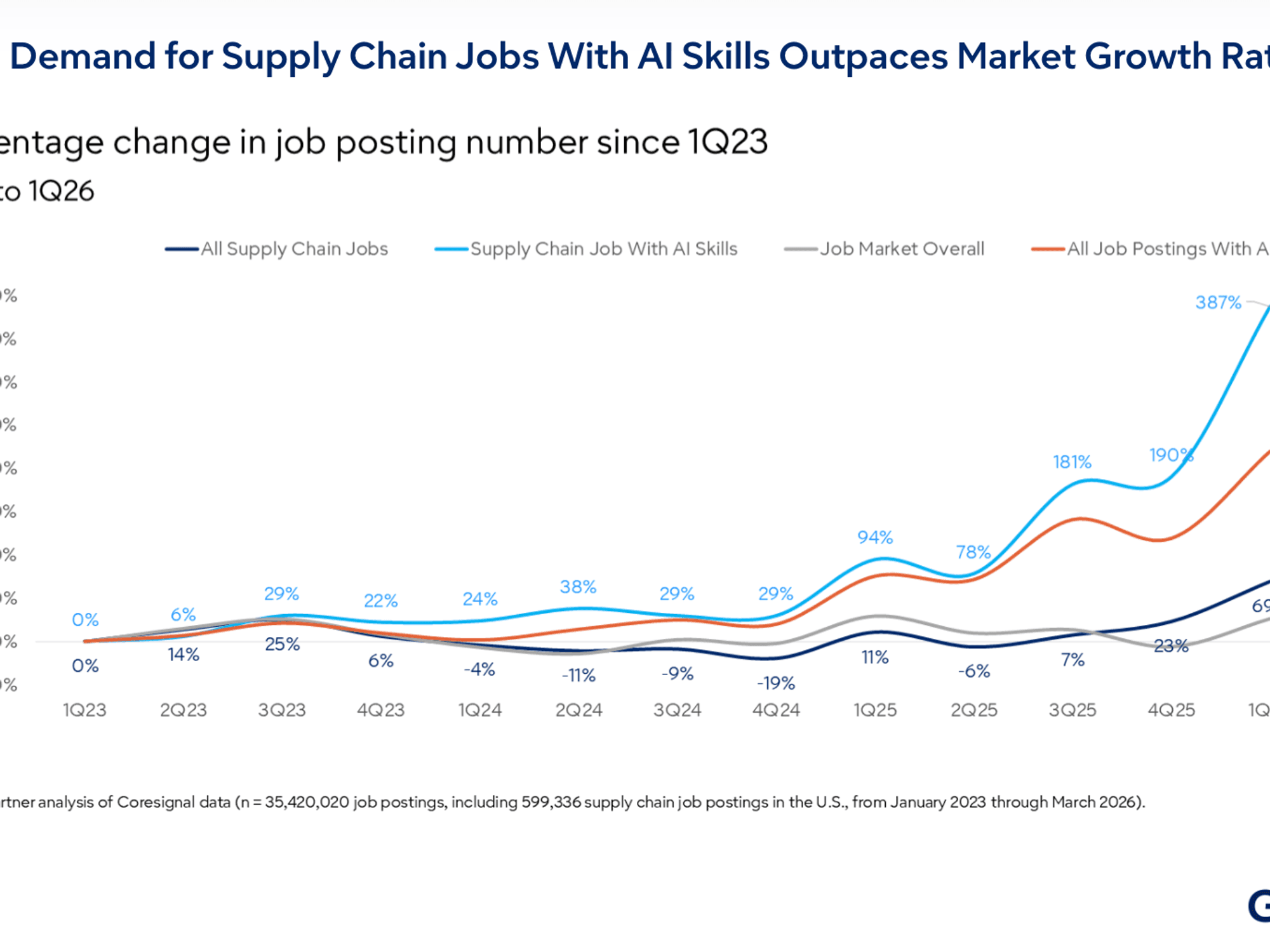
Evidence on AI’s effect on early-career employment is mixed: one report says unemployment among recent bachelor’s-degree holders fell from 2023 levels to 4.1% in the second quarter of 2026, while another cites a 5.7% rate in June and 42% underemployment among young graduates. Employers are increasingly using AI to screen applicants, and students are responding by tailoring applications and demonstrating practical AI skills. Meanwhile, demand for AI expertise is surging: U.S. postings seeking AI skills rose 772% between January 2022 and August 2026, but median compensation increased 39%, and many employers say they cannot find qualified workers. In Asia-Pacific, demand for AI roles rose 52% year over year, with hiring expanding beyond research into applied engineering, deployment, security and production roles.
Key Points
1
In software teams, generative AI has shifted some junior developers’ work toward checking model-generated code for subtle bugs, rather than eliminating entry-level roles outright.
2
LinkedIn research found that 66% of recruiters planned to increase AI use in pre-screening interviews in early 2026; 81% of job seekers said they had used or planned to use AI in their job search.
3
Second Talent’s APAC index reported an average time to hire of 16 days and an offer acceptance rate of 89% across the eight Asian markets it tracks.
4
OpenAI committed more than S$300 million to its Singapore initiative and plans to create over 200 technical roles there, including jobs in applied AI, deployment engineering and cybersecurity.
5
A Payscale survey found that 49% of participating companies said their salary structures had not kept pace with AI, while 61% were rewriting job descriptions in response to AI-driven changes.
Sentiment
Mostly NegativeNEGATIVENEUTRALPOSITIVE
Publishers
34
Articles
27
Reach
61
A
AnonymousAuthor


