Disney+ Ad-Free Terms
Disney+ Updates Subscriber Terms to Clarify That Ads May Appear on All Plans
Anonymous
Key Points
1
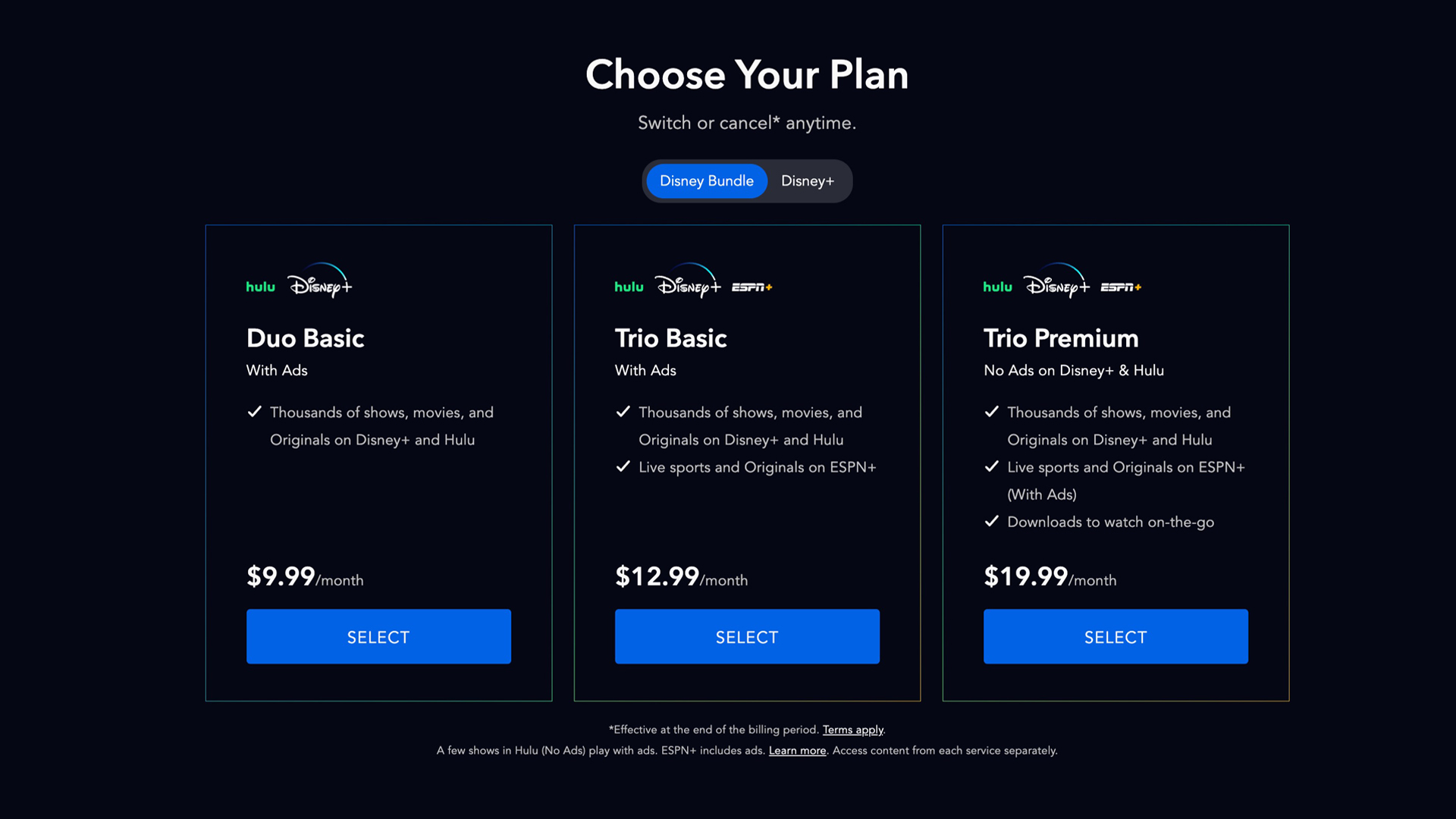
Disney+ was entirely ad-free when it launched in 2019, but introduced its first U.S. ad-supported tier in December 2022, creating the current distinction between cheaper plans with commercial breaks and Premium plans marketed as ad-free.
2
The German update was delivered by email to existing subscribers and refers to a subscriber agreement dated June 18, 2026; users are prompted to accept the new terms when they sign in to Disney+.
3
Some of the expanded language is linked to Disney’s planned full Hulu integration: Hulu live channels inherently carry advertising, and certain Hulu programs may remain ad-supported because licensing agreements with content providers prevent Disney from removing those ads.
4
Disney’s U.S. subscriber agreement, last updated in October 2025, already describes its “no ads” and “ad-free” tiers as only “generally” free of commercial interruptions and includes exceptions for promotions, sponsorships, branded content, live or linear programming and other restricted material.
Disney+ has updated its subscriber terms to allow promotional content, sponsorships, and certain advertising across all subscription tiers—including plans marketed as ad-free. IBTimes reported that the change, first highlighted for German subscribers via email, covers trailers, live events, branded content, and third-party material. Disney insists this does not mean traditional commercial breaks will interrupt movies and shows on premium plans.
The clarification has sparked concerns that streaming is moving toward the cable model, where even expensive subscriptions carry ads. Yahoo noted that Disney's U.S. terms already describe ad-free plans as "generally" free of commercial interruptions—a word choice that leaves room for exceptions. The shift highlights how streaming platforms are blurring the line between paid tiers.
How Disney Built the Ad-Free Promise, Then Broke It
When Disney+ launched in 2019, the entire service was ad-free. That changed in December 2022, when Disney introduced its first ad-supported tier in the U.S., creating a two-tier system. Premium plans cost more but promised no ads. Now Disney is quietly expanding what "no ads" actually means, using carefully worded language to include promotions and branded content that technically aren't traditional commercials.
The Hulu Integration Is Forcing Disney's Hand
Much of the expanded ad language stems from Disney's planned full Hulu integration. Coming Soon explained that Hulu live channels inherently carry advertising by nature. Additionally, certain Hulu programs remain ad-supported because licensing deals with content providers prevent Disney from removing ads—even on premium tiers. Disney must update its terms to accommodate these unavoidable restrictions.
This licensing issue reveals the real challenge: Disney doesn't always own the right to make content ad-free. When other studios license shows to Disney, they often retain control over ad placement. Integrating Hulu means Disney must accept ads on those shows, whether subscribers like it or not.
The Fine Print Already Warned Subscribers
Disney's U.S. subscriber agreement, last updated in October 2025, already described "no ads" and "ad-free" tiers as only "generally" free of commercial interruptions. That single word—"generally"—created legal wiggle room. The agreement listed exceptions: promotions, sponsorships, branded content, live programming, and other restricted material. Disney says the new update simply makes this language clearer, not stricter.
The German update, tied to a subscriber agreement dated June 18, 2026, prompts users to accept new terms when they sign in. While the timing and global rollout fuel suspicion, Disney maintains the substance hasn't changed—only the clarity. Whether subscribers believe that distinction remains to be seen.
Why Streaming's Ad Problem Won't Go Away
As streaming services mature and compete for profit, the pressure to add ads grows. Cable TV relied on ads to subsidize content costs. Streaming now faces the same math: pay more for original shows, or accept ad revenue. Disney, Netflix, and others are choosing both—charging high prices while also running ads. The cable model they once opposed now looks inevitable.
Consumers who paid for premium subscriptions to escape ads now face the same situation their parents had with cable. The only difference: there's no remote to change the channel. AOL reported that subscribers have grown skeptical of streaming promises. Once trust erodes, even clarifications feel like broken promises.
Sentiment
Mostly NegativeNEGATIVENEUTRALPOSITIVE
Publishers
21
Articles
14
Reach
35
A
AnonymousAuthor


