Sanctuary Policy Hearing
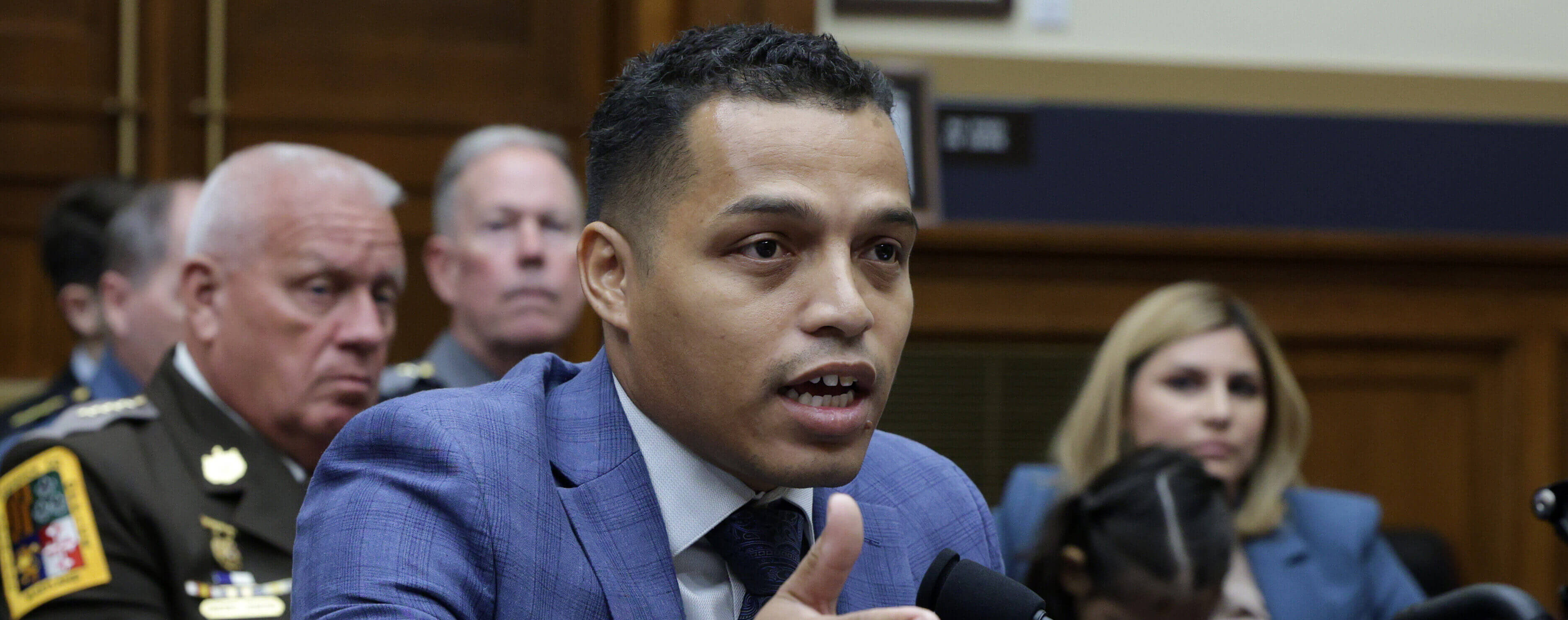
Father Rebukes Lawmakers Over Sanctuary Policies After Daughter's Severe Crash
Anonymous
Key Points
1
Witnesses at the hearing included Patricia Fox, mother of Carissa Aspnes, who was permanently disabled in a Colorado crash involving an illegal alien, and Harford County, Maryland Sheriff Jeffrey Gahler, illustrating sanctuary-policy impacts in multiple states beyond California.
2
Tom Homan, the former 'border czar,' reacted to Marcus Coleman’s testimony by warning that sanctuary city policies can provide safe havens for criminals, framing the policy debate as a national security issue during Fox News coverage.
3
Dalilah Coleman spent three weeks in a coma after the June 2024 crash, adding a hard medical detail to the injuries discussed at the hearing that complements the later diagnoses of diplegic cerebral palsy and global developmental delay.
4
"There's no way you guys are sorry" — Marcus Coleman pressed lawmakers with a direct rebuke, telling members of Congress that he and his family have received no outreach or empathy and accusing them of grandstanding instead of acting on his daughter's case.
Marcus Coleman brought his daughter's tragedy to Congress, blaming sanctuary policies for injuries that left his five-year-old permanently disabled. Dalilah suffered a fractured skull, broken femur, and traumatic brain injury in a June 2024 truck crash caused by an undocumented Indian national with a California Commercial Driver's License. She now has diplegic cerebral palsy, cannot speak, and is relearning to walk. WDC News 6 reported Coleman told lawmakers: "There's no way you guys are sorry."
At a House Judiciary Subcommittee hearing, Coleman pressed Democrats for failing to reach out or act on proposed legislation. His testimony highlighted sanctuary policies across California, Colorado, and Maryland that he argues enable noncitizens to obtain dangerous licenses. America First reported Coleman said he rejects Congress's "sympathy" without action, while supporters are pushing "Dalilah's Law" to revoke CDLs held by non-citizens.
A Little Girl's Catastrophic Injuries Change a Family
Dalilah Coleman was five years old when Partap Singh, driving a truck, crashed into her family's vehicle in June 2024. WDC News 6 reported the impact fractured her skull and femur, and she spent three weeks in a coma from traumatic brain injury. Months later, doctors diagnosed her with diplegic cerebral palsy affecting both legs and global developmental delay. Today she cannot speak and must relearn basic movements like walking.
Sanctuary Policies and Commercial Driver's Licenses
Singh obtained his California CDL despite being an undocumented immigrant. America First reported Coleman blames sanctuary policies for allowing states to issue licenses to noncitizens, enabling them to work in trucking—a role that carries serious public safety risks. Supporters point to similar cases across multiple states: Patricia Fox testified her daughter Carissa was permanently disabled in a Colorado crash involving an undocumented driver.
Rep. David Rouzer introduced "Dalilah's Law," which would bar states from issuing CDLs to non-citizens and revoke licenses already issued. Real Clear Politics reported the bill aims to close a regulatory gap that advocacy groups say puts Americans at risk. Maryland Sheriff Jeffrey Gahler also testified about sanctuary policy impacts in his state at the same hearing.
A Father's Anger Over Congressional Inaction
Coleman's testimony was direct and bitter. WDC News 6 captured his rebuke: "There's no way you guys are sorry." He told lawmakers he received no outreach from Congress and no action on proposed reforms. Instead of sympathy, Coleman demanded concrete legislative change to prevent similar tragedies. America First reported he said he rejects Congress's hollow expressions of sympathy without meaningful steps to protect children.
Border Security Advocates Point to Sanctuary Policies
Former 'border czar' Tom Homan responded to Coleman's testimony on Fox News, warning that sanctuary city policies create safe havens for criminals and pose national security risks. Homan framed the debate around immigration enforcement and licensing reform. The hearing spotlighted a broader national debate: whether sanctuary policies—aimed at protecting vulnerable immigrants—inadvertently enable dangerous individuals to obtain positions with access to public safety infrastructure like commercial trucking.
Sentiment
Mostly NegativeNEGATIVENEUTRALPOSITIVE
Publishers
10
Articles
7
Reach
17
Topics
A
AnonymousAuthor


