Inflation Control
Singapore Central Bank Tightens Policy Band to Combat Rising Inflation
Anonymous
Key Points
1
MAS executed an April 14, 2026 tightening by steepening the slope of the NEER band, citing surging energy prices and Middle East tensions that raise imported-inflation risks for Singapore’s highly open, energy-reliant economy.
2
Singapore’s Q2 2026 GDP growth came in at 5.7% year-on-year, a figure that surpassed market expectations and provided the central bank with additional justification to tighten policy.
3
June 2026 core inflation rose to 1.6% (from 1.4% in May) with headline inflation near 1.9%, underscoring persistent but contained price pressures and the role of imported costs, including fuel prices driven by regional geopolitical tensions.
4
Analysts had expected MAS to keep policy settings steady at the upcoming July 2026 statement, and the July move still drew attention as a relatively small adjustment in the NEER without changing band width or center.
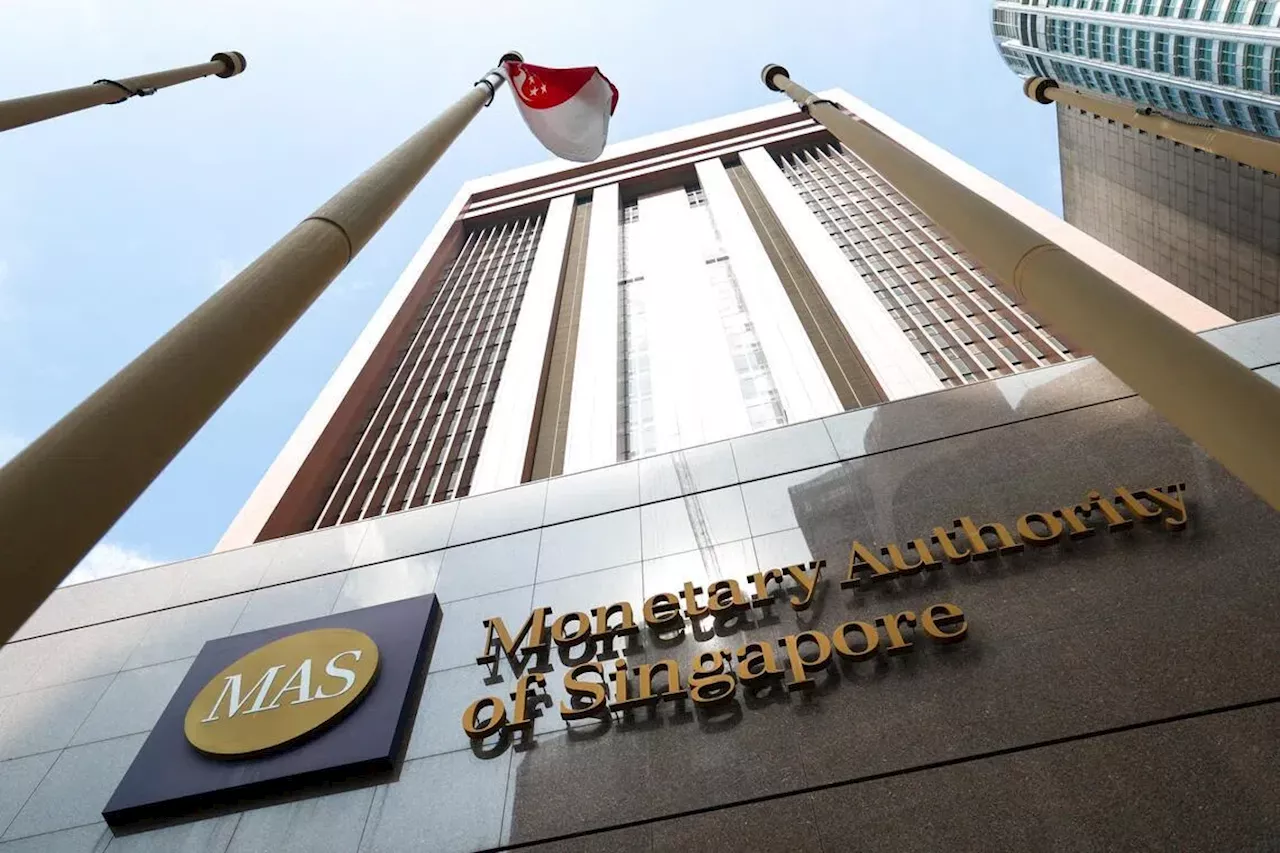
Singapore's central bank tightened monetary policy for the second time in a row in April 2026, allowing the Singapore dollar to strengthen faster against a basket of currencies. The Monetary Authority of Singapore, known as MAS, acted in response to surging oil prices and fresh Middle East tensions that threatened to push up the cost of imports, according to Headtopics SG and Headtopics MY.
The back-to-back tightening surprised many analysts, coming even as domestic inflation stayed relatively contained. Singapore's economy grew 5.7% year-on-year in Q2 2026, beating market forecasts and giving MAS room to act. Core inflation rose to 1.6% in June, up from 1.4% in May, with headline inflation near 1.9%.
MAS Steepens Exchange Rate Slope to Fight Import Costs
MAS does not set interest rates the way most central banks do. Instead, it manages the Singapore dollar nominal effective exchange rate, or NEER — the value of the Singapore dollar against a group of trading partner currencies. On April 14, 2026, MAS steepened the slope of the NEER policy band. That means the Singapore dollar is now allowed to rise more quickly over time, making imports cheaper and cooling inflation at the source, according to Market Screener AU.
Singapore relies heavily on imports for energy and everyday goods. When oil prices spike — as they did amid renewed Middle East tensions — those costs flow quickly into consumer prices. A stronger currency directly offsets that pressure by making foreign goods less expensive in local terms, Newsy Today reported.
Strong GDP Growth Gave MAS Confidence to Act
Singapore's economy expanded 5.7% year-on-year in the second quarter of 2026. That number beat most market forecasts and gave MAS a critical reason to tighten. A fast-growing economy can handle a stronger currency better than a sluggish one. Higher growth also raises the risk that demand itself could add to price pressures, making the case for action even clearer.
The surprise tightening still raised eyebrows. Many analysts had expected MAS to hold steady, given that core inflation at 1.6% was still within a manageable range. Market Screener UK noted that the move came despite softer-than-expected inflation readings, underscoring how seriously MAS views the risk from rising global energy prices.
July Adjustment Was Small but Sent a Clear Signal
In July 2026, MAS made another move — but a much smaller one. The central bank nudged up the pace at which the NEER appreciates, without changing the width of the band or its center point. Most analysts had expected no change at all. The tiny adjustment confirmed that MAS is still in tightening mode, just moving carefully, according to Headtopics MY.
The caution makes sense for a small, open economy. Widening the band or shifting its center too abruptly could unsettle currency markets and businesses that depend on predictable exchange rates. MAS is threading a narrow path — firm enough to fight inflation, careful enough not to disrupt trade and growth.
Analysts See Inflation Peaking Before Easing by Mid-2027
Core inflation is expected to rise modestly in the near term as higher energy and import costs work their way through the economy. MAS upgraded its full-year core inflation forecast to a range of 1.5% to 2.5%. That range reflects real uncertainty — much depends on how long Middle East tensions keep oil prices elevated, according to Newsy Today.
Most analysts expect price pressures to moderate by mid-2027, once the impact of the current energy shock fades. For now, MAS has made clear it will keep using the exchange rate as its main tool. Singapore's trade-heavy economy means that currency management will always be the first lever the central bank reaches for, Headtopics SG reported.
Sentiment
Mostly PositiveNEGATIVENEUTRALPOSITIVE
Publishers
42
Articles
94
Reach
136
A
AnonymousAuthor


