Sudan Healthcare Collapse
Sudan's Health System Nears Collapse as War and Aid Cuts Deepen Crisis
Anonymous
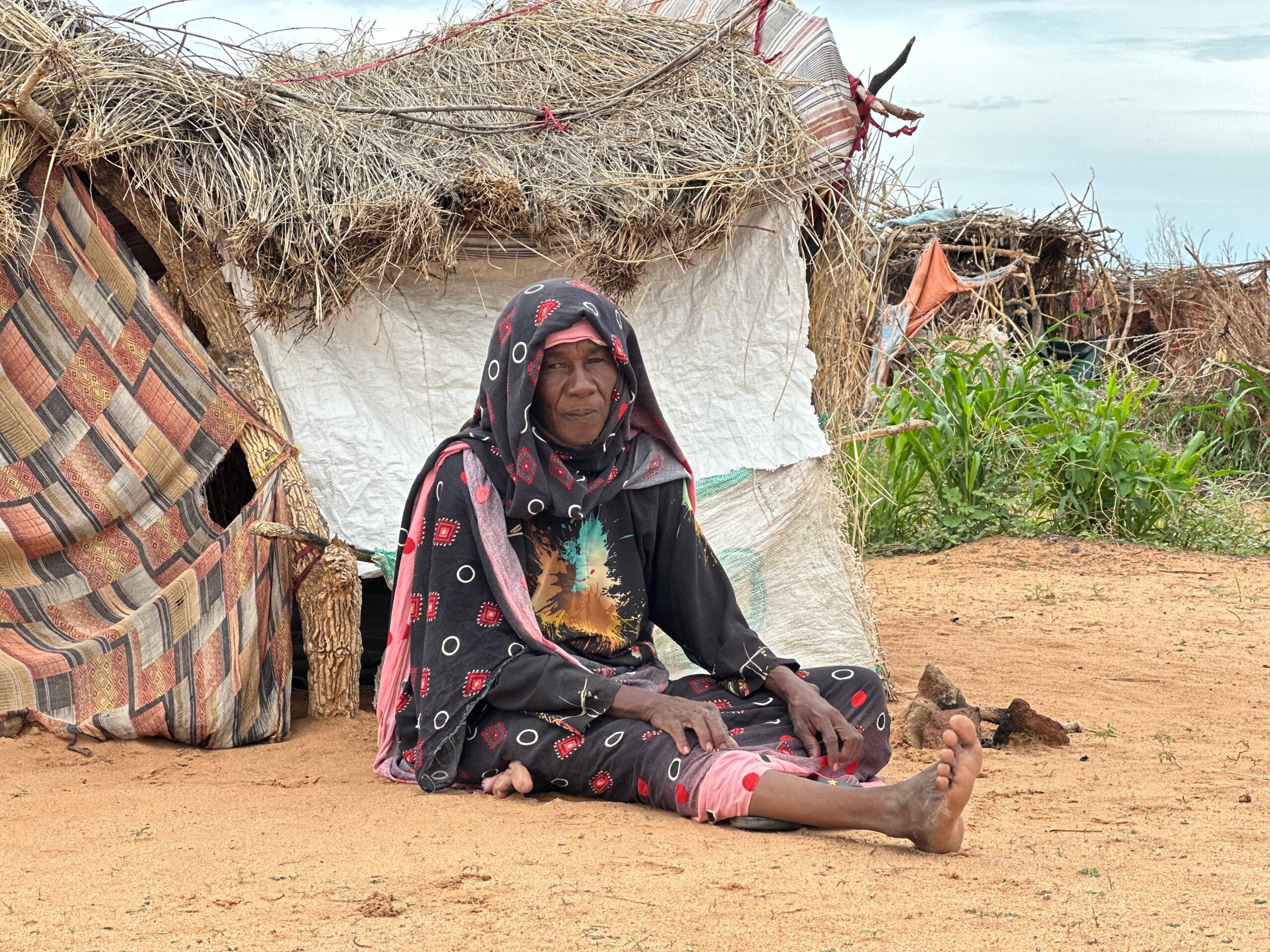
Key Points
1
More than 33 million people in Sudan need medical assistance as a result of the war and humanitarian crisis.
2
In Tawila, North Darfur, MSF operates the region’s only 200-bed hospital and is the only organization able to conduct large-scale epidemic-control measures for displaced people; malaria and malnutrition were already rising ahead of the rainy season.
3
MSF reported that admissions to its facilities increased by 22.5% between January and April 2026, reflecting the growing burden on the remaining hospitals.
4
MSF said that existing grants to many USAID-funded organizations expired in June, while European governments were also reducing assistance; the OECD reported that international aid fell globally by 21.3% in 2025 from the previous year.
5
At the Um Rakuba refugee camp in eastern Sudan, MSF described its hospital as the “only lifeline left” for local residents and refugees, underscoring the loss of alternative services.
Sudan's healthcare system is sliding toward collapse as war and aid cuts collide. International funding has dried up — the US shut down USAID while Europe reduced grants — forcing clinics to close across the country. About 37% of Sudan's health facilities are now nonoperational, MSF reports, leaving 33 million people without reliable access to doctors and medicine.
The result is brutal: patients travel farther, arrive sicker, and overwhelm the few hospitals still operating. Rio Times Online says the UN's $2.87 billion aid plan is only 41% funded. Malaria, malnutrition, and other treatable diseases are spreading unchecked as clinics shutter and food assistance shrinks.
How Aid Cuts Emptied Sudan's Clinics
Organizations lost their funding sources in mid-2026. Streamline Feed reports that USAID grants expired in June, while European governments also cut assistance. News Cord noted that IRC-supported facilities in Sudan face immediate closure — 36 health centers alone will shut down, depriving 474,000 people of care. Globally, OECD data showed international aid fell 21.3% in 2025, draining resources from crisis zones.
Without replacement funding, health organizations have no choice but to close. MSF says many groups cannot absorb the gap. Clinics that served routine care, vaccinations, and disease prevention vanish overnight. The impact ripples: fewer entry points means sicker patients arrive at the remaining hospitals, taxing already stretched emergency rooms and surgical wards.
Remaining Hospitals Drowning in New Demand
The few functioning hospitals face explosive demand. MSF reported that admissions to its facilities jumped 22.5% between January and April 2026. In Tawila, North Darfur, MSF operates the region's only 200-bed hospital. It serves up to 600,000 displaced people — the only facility able to run large-scale disease control for malaria and other epidemics.
At Um Rakuba refugee camp in eastern Sudan, MSF describes its hospital as the "only lifeline left" for residents and refugees after surrounding clinics closed. France24 reports that patients now travel dangerous, longer routes to reach care. Many arrive with advanced illnesses — infections that simple clinics could have treated weeks earlier now require surgery and intensive care.
Epidemic Risk Rising as Rainy Season Approaches
Malaria and malnutrition were already climbing before the wet months arrive. MSF warned that malaria transmission surges during rains — exactly when clinics are disappearing and hospital beds overflow. Food assistance programs have also shrunk, leaving vulnerable populations malnourished and more susceptible to disease. Protection programs that shielded displaced people and refugees have been dismantled.
MSF is urging world leaders meeting at the UN General Assembly to restore sustained, flexible funding. Without it, the organization warns, treatable diseases will kill thousands. Entire refugee camps and displaced communities risk losing maternity care and surgical services. The health crisis will worsen before it can improve.
Sentiment
Mostly NegativeNEGATIVENEUTRALPOSITIVE
Publishers
21
Articles
101
Reach
122
Topics
A
AnonymousAuthor


