Work Culture Under Scrutiny
Half of US workers report burnout linked to workload, financial stress, fueling work culture debate.
Anonymous
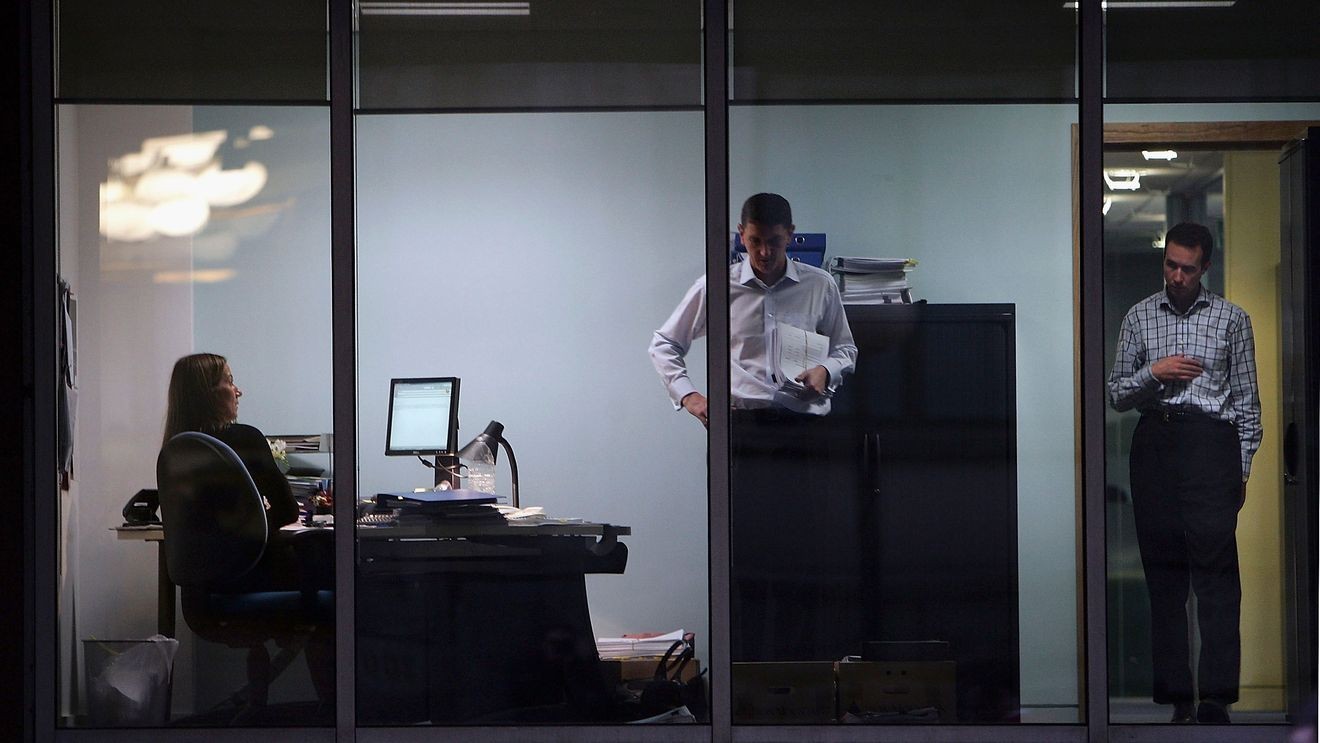
About half of all U.S. workers say they are burned out, driven by heavy workloads, rising costs, and the pressure to stay connected around the clock, according to News3LV. The problem is widespread — but the data tells a more complicated story than simple overwork.
Despite the burnout epidemic, American workers are not necessarily logging the most hours globally. According to KOMO News, countries like Mexico, Costa Rica, and Chile all average more annual work hours than the United States. That gap points to something beyond raw hours — a cocktail of financial pressure, job insecurity, and a culture that never quite switches off.
What Is Actually Driving the Burnout Crisis
Burnout is not just about long hours. Workers report that financial stress and constant connectivity are just as damaging as the workload itself, according to CBS Austin. Smartphones and remote tools mean many employees are effectively on call at all times — even after leaving the office.
Rising living costs make the pressure worse. Workers feel they cannot afford to slow down, even when they are exhausted. That combination — economic anxiety plus an always-on work culture — is what researchers say pushes people past the breaking point, Idaho News reported.
America Lacks Basic Protections Other Countries Guarantee
One key reason Americans feel squeezed: the U.S. is the only major advanced economy that does not require employers to offer paid vacation at the federal level, according to Fox San Antonio. Workers in Europe and elsewhere are guaranteed weeks of paid leave by law. American workers often get none — or fear taking what little they have.
That legal gap leaves millions of workers with no guaranteed time to recover. Without mandated rest, burnout has fewer natural release valves. Many workers, facing financial pressure, choose — or feel forced — to skip vacation days entirely, WLOS noted.
Multiple Jobs and the Four-Day Workweek Debate
Despite reporting exhaustion, many Americans still work more than one job. That reality reflects the financial bind millions of workers face — a single paycheck often is not enough to cover the basics, according to Bakersfield Now. The result is a workforce that is both burned out and unable to stop.
The burnout conversation has given new energy to the four-day workweek movement. Supporters argue that cutting one day does not hurt productivity — and may actually improve it. Pilot programs in the U.K. and Iceland showed workers maintained output while reporting lower stress, NewsChannel9 reported. More U.S. companies are now watching those results closely.
OECD Data Complicates the 'Overworked American' Narrative
The Organisation for Economic Co-operation and Development — a group of the world's wealthiest nations — tracks annual working hours by country. Its data shows the U.S. does not top the list. Mexico, Costa Rica, and Chile all rank higher, according to KMPH. That challenges the idea that Americans simply work too many hours compared to the rest of the world.
The real issue may be the quality of those hours, not the quantity. Lack of paid leave, high costs of living, and a culture that equates busyness with value all pile onto workers — even if the clock does not technically show more time on the job, Fox San Antonio reported.
Sentiment
NeutralNEGATIVENEUTRALPOSITIVE
Publishers
9
Articles
8
Reach
9
Topics
A
AnonymousAuthor