Prison Crocodile Moat Blocked
Israeli Court Blocks Controversial Crocodile Transfer for Prison Moat Project
Anonymous
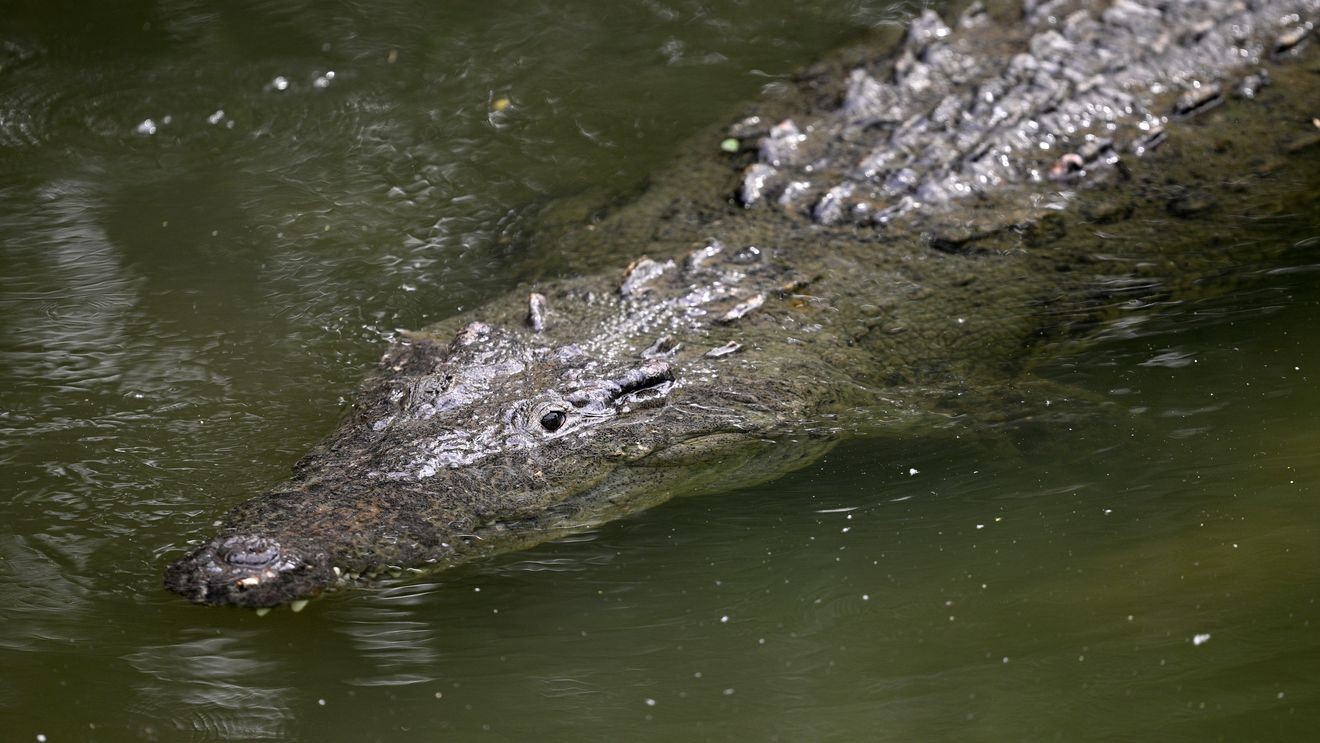
An Israeli court has temporarily blocked the transfer of Nile crocodiles to a moat surrounding a prison holding Palestinian detainees, halting one of the more unusual security proposals to emerge from the conflict, according to KOMO News. The plan, backed by Israel's National Security Ministry, had a budget of NIS 21 million — roughly $7 million — to build crocodile-filled moats around the detention facility.
The legal challenge came from the animal welfare group Let the Animals Live, which petitioned the court to stop the transfer. The group argued the government had no legal authority to carry out the plan, according to WGME.
How Crocodiles Got Cleared for Prison Duty
The plan required a key legal maneuver to get off the ground. Environmental Minister Idit Silman reclassified the Nile crocodile as a "tended wild animal." That change in status would allow the reptiles to be used at detention centers, according to ABC News 4. Without the reclassification, the plan had no legal footing.
But Silman made the move over the objections of her own advisers. The Let the Animals Live group said Silman had ignored recommendations from both her legal team and Israel's Nature and Parks Authority, according to News Channel 9. The authority had previously stated the plan was impossible under existing law.
Nature Authority Said Wild Animals Cannot Be Used This Way
Israel's Nature and Parks Authority was blunt in its opposition. The agency said wild animals can only be held in Israel for educational or research purposes — not as security deterrents, according to KTUL. Using crocodiles to guard a prison would fall outside those permitted uses entirely.
The Let the Animals Live group built much of its court petition around this point. The government, it argued, simply had no authority to place wild animals in a security role. The court agreed — at least for now — and issued a temporary block on the transfer, according to My News 4.
A $7 Million Moat Plan Still Waiting on the Courts
The National Security Ministry has already set aside NIS 21 million — about $7 million — to build the moats around the prison, according to WLOS. That budget signals the government is serious about the plan, despite the legal setback.
The court's block is temporary, meaning the case is not over. A fuller legal hearing is expected to decide whether the crocodile transfer can move forward at all. The outcome could hinge on whether Silman's reclassification of the Nile crocodile holds up under judicial review, according to Idaho News.
Sentiment
NeutralNEGATIVENEUTRALPOSITIVE
Publishers
17
Articles
16
Reach
17
A
AnonymousAuthor