Questions Over Hospital Strike
New Evidence Challenges Military Rationale for Gaza Hospital Strike That Killed Journalists
Anonymous
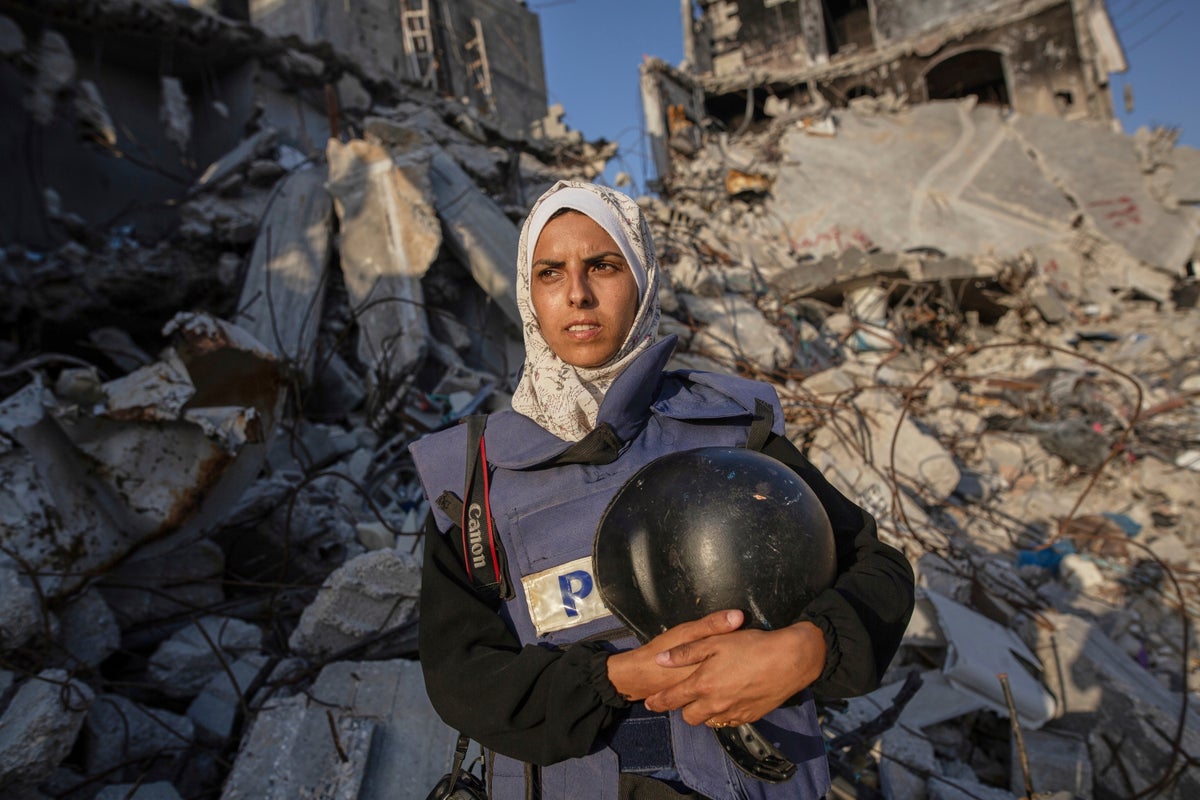
A year after an Israeli airstrike on Nasser Hospital in Gaza killed 22 Palestinians—including journalists and rescue workers—key questions remain unanswered about what justified the attack. Multiple Sources report that Israeli soldiers targeted what they believed was a Hamas camera on the hospital roof, but an anonymous Israeli soldier has now revealed the military found no evidence linking the camera, which belonged to Reuters cameraman Hussam al-Masri, to Hamas.
The strike claimed the lives of prominent journalists including al-Masri and Mariam Dagga, a visual journalist who worked for The Associated Press and other news outlets. Reports indicate the Israeli military initially claimed six of the dead were Hamas-linked, but has not released details about its investigation or a timeline for completion.
The Strike That Targeted a Suspected Camera
On the day of the attack, Israeli forces conducted a double strike on Nasser Hospital based on intelligence about a Hamas camera positioned on the roof. News Reports show the military believed this camera posed a significant threat. The strikes killed 22 people in total, a large number of them medical staff and journalists documenting conditions inside Gaza.
Among the dead were two prominent news professionals. Hussam al-Masri worked as a cameraman for Reuters. Mariam Dagga contributed visual journalism to The Associated Press and freelanced for multiple outlets. Both were documenting the conflict when they were killed in the hospital strike.
New Evidence Contradicts Military's Original Justification
One year after the strike, an anonymous Israeli soldier has provided crucial new information. Sources report the soldier stated the military found no evidence that the camera belonged to Hamas or had any connection to the militant group. This directly contradicts the stated justification for targeting the hospital.
The soldier, who participated in discussions about the strike, indicated the camera simply belonged to al-Masri for his journalism work. This revelation suggests the targeting decision may have been based on faulty intelligence or misidentification. The contradiction raises serious questions about the decision-making process that led to the airstrike.
Investigation Remains Incomplete After 12 Months
Despite a full year passing since the strike, Reports indicate the Israeli military has not released a formal investigation into what happened. The army has provided no details about how it conducted its review or what it has learned. There is also no public timeline for when the investigation will be completed or made available.
The lack of transparency stands in stark contrast to the scale of the incident. Twenty-two people died, including journalists and medical professionals. Families of the victims and news organizations worldwide are waiting for accountability, yet the military's investigation remains largely hidden from public view.
Implications for Journalism and Accountability
The deaths of al-Masri and Dagga represent a significant loss for international journalism. Both were respected professionals documenting one of the world's most dangerous conflict zones. Coverage notes their work was critical to informing the public about conditions in Gaza during the war.
The gap between the military's original justification and the new evidence now challenges accountability mechanisms. Without a transparent investigation or clear findings, it remains unclear whether the strike violated international law or military rules of engagement. This lack of clarity affects how the international community evaluates conduct in the conflict.
Sentiment
NeutralNEGATIVENEUTRALPOSITIVE
Publishers
13
Articles
12
Reach
13
Topics
A
AnonymousAuthor