UPI Alipay+ Link Stalled
India Halts Alipay+ UPI Cross-Border Link Over Security and Data Concerns
Anonymous
Key Points
1
Alipay+ currently boasts access to over 150 million merchants across China, Hong Kong, and other parts of Asia, which would translate into a large cross-border footprint for UPI if the linkage had proceeded.
2
The proposal would have been the first linkage by a China-linked entity in the financial services sector to connect with India's UPI, highlighting a new entrant in cross-border payments under heightened scrutiny.
3
The stalled plan is part of a broader global push toward cross-border payment interoperability, with similar collaboration efforts cited in countries such as Malaysia, the Philippines, South Korea, Singapore, and France.
4
Beyond data handling, the linkage would require agreeing on identity verification, anti-money laundering controls, and dispute-resolution processes, making it a significant regulatory and governance challenge, not just a technical integration.
India has frozen a plan to link its Unified Payments Interface (UPI) with Alipay+, a China-based cross-border payments network, over security and data protection fears. Economic Times reported that New Delhi's law enforcement and security agencies are worried about potential data breaches, customer information misuse, cyber fraud, and money-laundering risks. The proposal, initially meant to help Indian travelers abroad, has stalled without formal rejection as officials examine how transaction data would be handled.
Alipay+, operated by Ant International (spun from Ant Group in 2024), connects over 150 million merchants across China, Hong Kong, and Asia. The linkage would have been the first China-linked financial services partnership with India's UPI, marking a significant entry into cross-border payments at a time of rising geopolitical scrutiny.
What the Alipay+ UPI Link Would Have Done
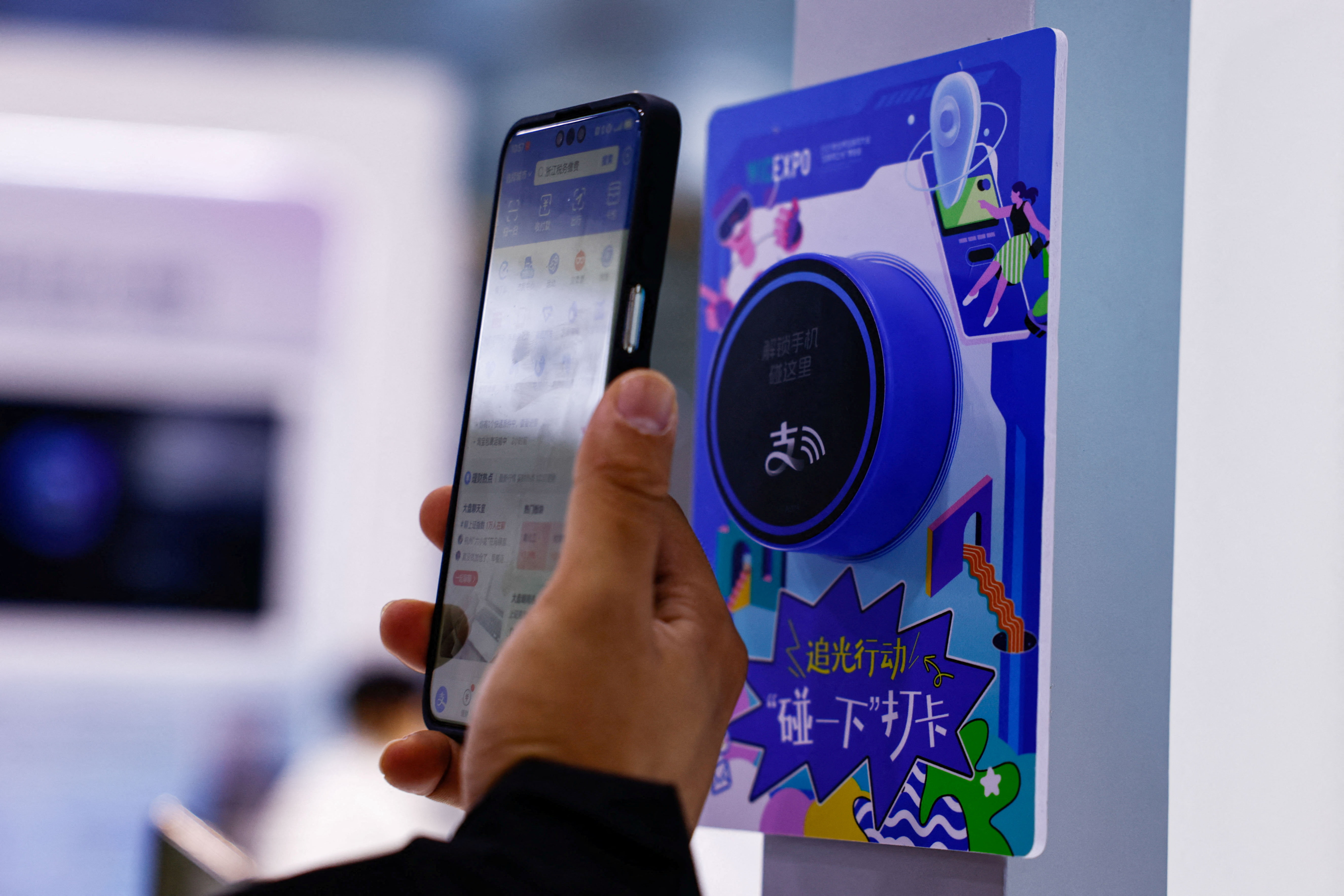
The partnership would have let Indian travelers use UPI payments at Alipay+ merchants across Asia in a first phase. A second phase planned to extend the service to international visitors shopping in India. Crypto Briefing noted the tie-up represented India's broader push to make UPI work globally while deepening cross-border payment ties.
Alipay+ reaches 150 million merchants in China, Hong Kong, and other Asian markets. For India, this scale would have instantly granted UPI users access to one of Asia's largest payment networks without building merchant relationships from scratch.
Security Agencies Flag Data Handling and Fraud Risks
Indian security officials raised alarms about how Alipay+ would store, process, and protect transaction data. Economic Times reported concerns over customer information misuse, cyber fraud, and money-laundering vulnerabilities. The agencies demanded clarity on identity verification, anti-money-laundering controls, and dispute-resolution procedures before any linkage could proceed.
These are not simple technical questions. Connecting two payment systems means agreeing on governance standards across nations with different regulations. India wanted assurances that sensitive financial data wouldn't flow to foreign servers or get exploited in ways that breach local laws.
The Global Push for Cross-Border Payment Links
India's hesitation reflects a wider trend. Countries like Malaysia, the Philippines, South Korea, Singapore, and France are all exploring cross-border payment interoperability. Glenbrook Partners noted these partnerships aim to reduce costs and friction for travelers and traders. Yet security concerns slow progress everywhere.
The Alipay+ proposal sat at the intersection of two competing goals: opening India's instant payments system to the world, while protecting national financial infrastructure from foreign control or data exposure. So far, security has won out.
No Formal Rejection—Just an Indefinite Pause
New Delhi has not rejected the Alipay+ proposal outright. Instead, it remains stalled as officials continue reviewing the details. Crypto Briefing reported that the government cited political grounds for the delay without publicly spelling out technical objections, leaving the proposal's fate uncertain.
This open-ended pause keeps pressure on both sides. Ant International may work to address India's concerns. Alternatively, the stall could stretch indefinitely, effectively killing the project without a formal "no."
Sentiment
Mostly NegativeNEGATIVENEUTRALPOSITIVE
Publishers
16
Articles
46
Reach
62
A
AnonymousAuthor


