AI Data Center Tax Relief
West Virginia Plans AI Data Center Revenue to Eliminate State Income Tax
Anonymous
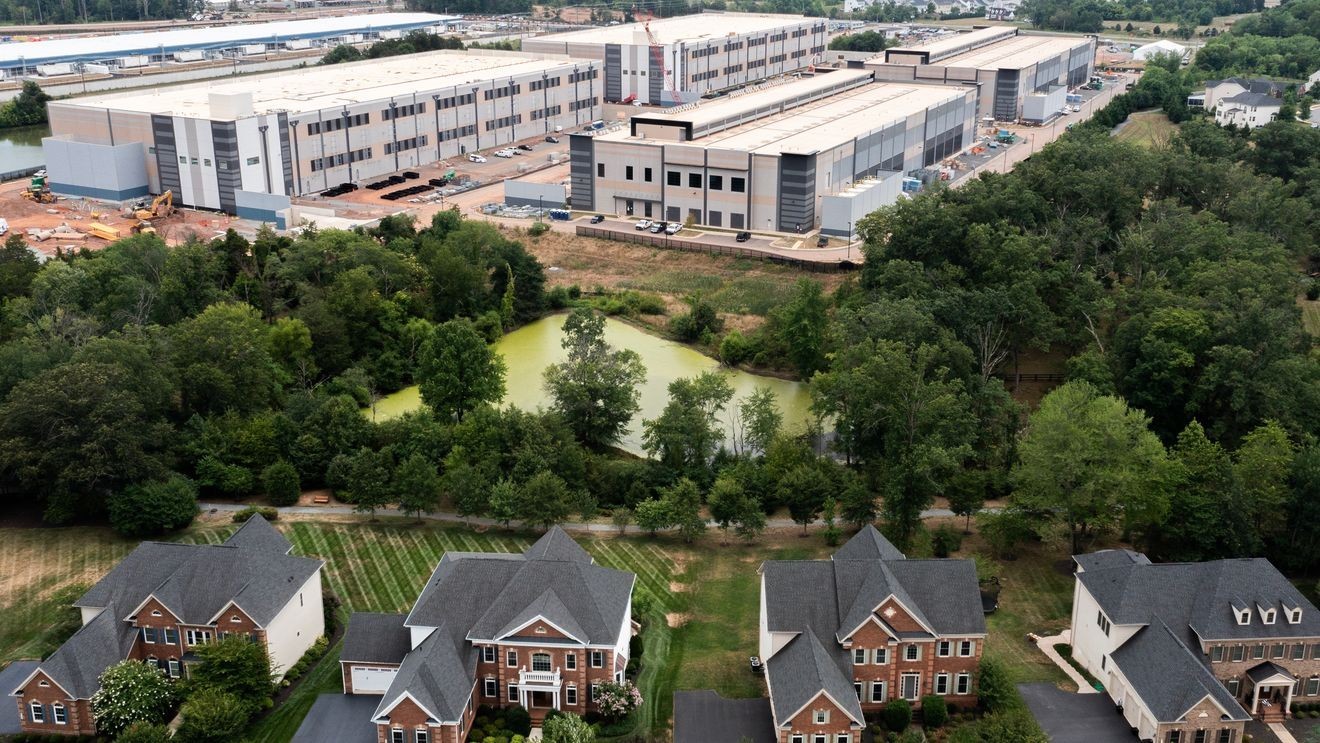
West Virginia is betting big on artificial intelligence data centers to transform its economy and cut taxes. The state plans to use half of all tax revenue from new data center projects to reduce personal income tax, according to KOMO News. This strategy aims to fund tax relief while attracting major tech investment to the region.
Former White House economic adviser Steve Moore called the plan "one of the best economic ideas of the year". He argued that West Virginia's geography and existing infrastructure make it ideal for the data center boom. However, the AI computing surge has sparked debate over electricity use, water consumption, and impacts on local utility costs.
How West Virginia's Tax Plan Works
Half of tax revenue from new data center projects will go toward reducing the state's personal income tax, according to Fox 11 Online. The remaining half stays in state coffers for other needs. This approach lets West Virginia attract lucrative tech investment while delivering tax cuts to residents. The plan aligns with broader efforts to spur economic development across the state.
Why Data Centers Matter for AI Growth
Data centers are the physical backbone of artificial intelligence. Tech companies need massive amounts of computing power to train and run AI systems. As competition intensifies, companies are scrambling to build new facilities. West Virginia sees this boom as a rare economic opportunity to generate jobs and tax revenue simultaneously. The influx of investment could reshape the state's economy for decades.
Growing Concerns About Data Center Expansion
Critics worry about the environmental and economic toll of rapid data center growth. These facilities consume enormous amounts of electricity and water to keep servers cool. Land development pressures have also increased. Rising data center demand could push up utility costs for everyday residents. Some communities fear losing water resources or facing power grid strain without proper planning.
Moore Urges Economic Optimism Despite Recession Fears
Steve Moore warned that American pessimism about the economy doesn't match the reality of major investment pouring in. Companies are spending heavily on AI, manufacturing, and infrastructure. Moore also cautioned against new tariffs, saying trade benefits both the United States and Canada. He argued that smart policies like West Virginia's can unlock growth and improve living standards.
Sentiment
NeutralNEGATIVENEUTRALPOSITIVE
Publishers
7
Articles
6
Reach
7
A
AnonymousAuthor


