New Electric Hot Hatch
Volkswagen Replaces ID.3 GTX With Its Most Powerful Rear-Wheel-Drive GTI Yet
Anonymous
Key Points
1
Volkswagen estimates the ID.3 GTI can charge from 10% to 80% in 29 minutes using a 183-kW DC fast charger; the projected 373-mile WLTP range is six miles higher than that of the outgoing ID.3 GTX.
2
The GTI’s power output is unchanged from the GTX, and its 322 hp exceeds the Golf GTI Edition 50 by only one horsepower; acceleration and top speed are therefore identical to the outgoing model.
3
In GTI mode, activated by a physical steering-wheel button, the car sets the rear motor to full power, sharpens the steering, stiffens the suspension, turns the ambient lighting red and enables launch control and the synthesized engine soundtrack.
4
The ID.3 GTI is not the only route to similar performance: Volkswagen UK still has pre-facelift ID.3 GTX Performance cars in stock, potentially offering buyers a cheaper alternative to the new GTI.
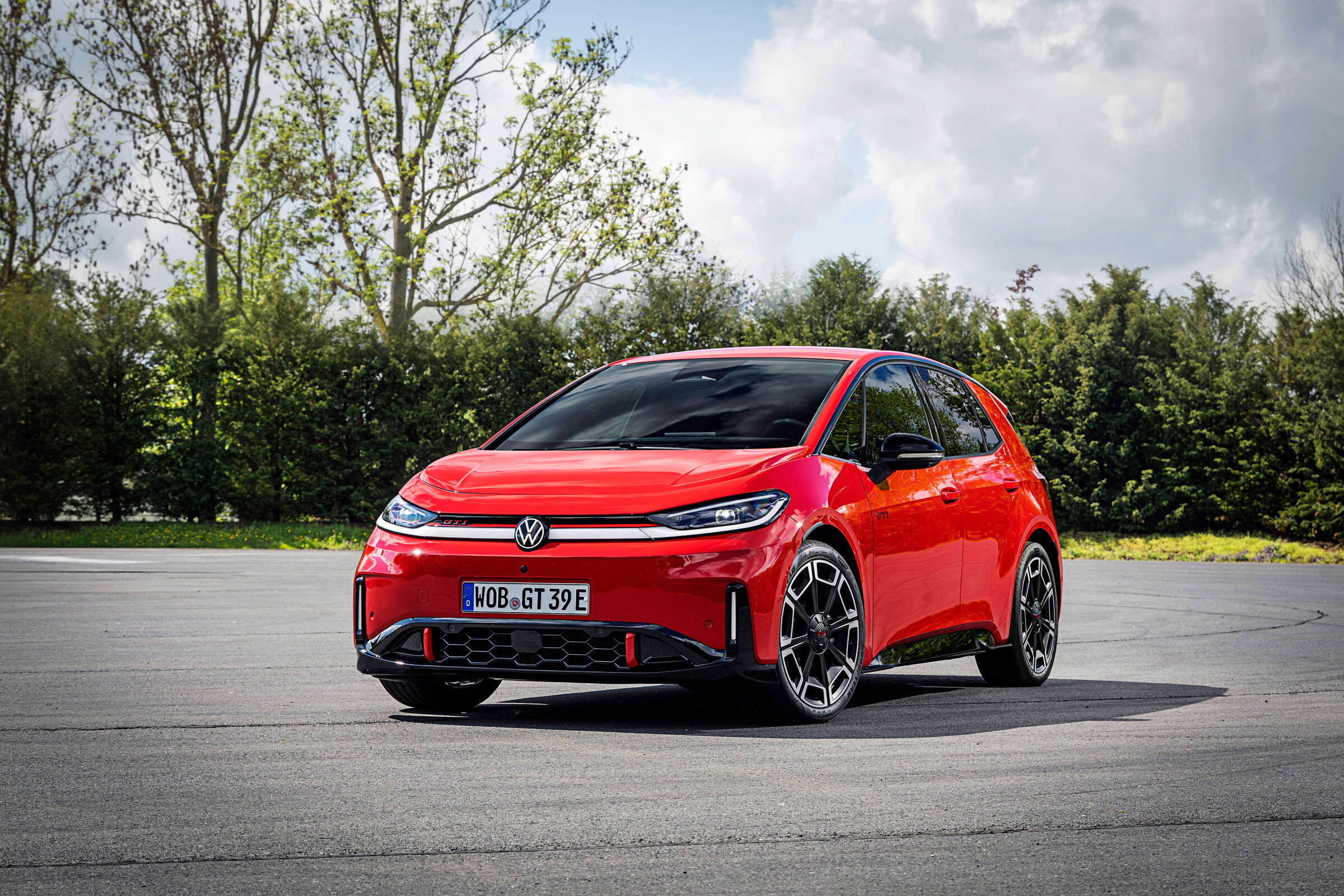
Volkswagen has unveiled the ID.3 GTI, its first rear-wheel-drive electric hot hatch and the most powerful model to ever wear the iconic GTI badge The Car Expert. The 322-horsepower hatchback hits 62 mph in 5.6 seconds and promises up to 373 miles of range from its 79-kWh battery, marking a bold reinvention of a nameplate that has defined affordable performance for 50 years CleanTechnica.
The GTI replaces the ID.3 GTX and trades front-wheel drive for rear-wheel drive—a first in GTI history. While power output stays identical to its predecessor, Volkswagen focused on handling through adaptive dampers, progressive steering, and a dedicated GTI drive mode that sharpens response and enables launch control CarsUK. The car charges from 10% to 80% in 29 minutes using a 183-kW fast charger.
A Rear-Wheel-Drive Break From GTI Tradition
For 50 years, every GTI has been front-wheel-drive—until now. Volkswagen's decision to move the electric motor to the rear axle fundamentally changes how the car handles and accelerates Car and Bike. The shift reflects broader industry trends: electric motors are compact enough to mount anywhere, and rear-wheel drive improves weight distribution and handling balance on lighter EVs.
The ID.3 GTI's rear-motor layout enables launch control and sharper corner response compared to the front-driven models that built GTI's reputation. Yet some enthusiasts argue that swapping front-drive dynamics—the scrappy, tail-happy character of classic hot hatchbacks—for rear-drive sophistication dilutes what "GTI" means. Volkswagen counters that the change suits the electric era and modern performance expectations AutoCar India.
Identical Power, Enhanced Handling Through Tech
The ID.3 GTI produces 322 horsepower and 402 lb-ft of torque—unchanged from the outgoing GTX it replaces CleanTechnica. Acceleration is identical too: 0–62 mph in 5.6 seconds and a 124-mph top speed. The only performance edge over Volkswagen's petrol Golf GTI Edition 50 is a single additional horsepower. This leaves some buyers asking: where is the upgrade?
Volkswagen's answer: handling matters as much as raw speed. The GTI adds an adaptive suspension (DCC), progressive steering with more direct input, a physical steering-wheel button to activate GTI mode, and a simulated engine soundtrack. Inside, tartan-pattern seats and red accents reinforce the hot-hatch heritage. These refinements position it as an "everyday athlete" rather than a straight power play CarsUK.
Range and Charging Keep Pace With Rivals
The 79-kWh battery delivers up to 373 miles of WLTP-rated range—a six-mile bump over the GTX The Car Expert. That figure competes with the Hyundai Ioniq 5 N and MG4 XPower, though both rivals offer similar or higher power outputs. Real-world range depends on driving style, weather, and road conditions; GTI mode's aggressive tune will reduce efficiency.
DC fast charging adds 10% to 80% capacity in 29 minutes at peak 183-kW rates Car and Bike. That matches or beats most rivals for quick-charge performance. Volkswagen also kept a subset of pre-facelift ID.3 GTX Performance inventory in UK dealerships, potentially offering budget-conscious buyers the same power and similar range at a lower price—a factor that could cannibalize GTI sales.
GTI Mode Transforms Everyday Electric Into Performance Machine
A new physical steering-wheel button activates GTI mode, which locks the rear motor to full power, stiffens the suspension, sharpens steering response, and engages launch control The Car Expert. Ambient lighting shifts to red, and a synthesized combustion engine sound plays through the speakers—a nod to petrol GTI tradition that some find playful and others dismiss as gimmicky.
Outside, the GTI wears 20-inch "Wörthersee" alloy wheels (a historic GTI reference), Tornado Red paint, and aggressive body styling. Inside, the Superclark tartan seats and physical steering controls replace touchscreen-only ergonomics that plagued early ID.3 models CarsUK. These moves signal Volkswagen's answer to quality and usability complaints that dogged its first-generation electric vehicles.
Sentiment
Mostly PositiveNEGATIVENEUTRALPOSITIVE
Publishers
33
Articles
6
Reach
39
A
AnonymousAuthor


