Market Rally Boosted
US Futures Climb as Middle East Tensions Ease, Earnings Week Begins
Anonymous
Key Points
1
Oil prices fell as de-escalation signs emerged, with Brent around $83 per barrel and WTI below $80, easing inflation concerns and potentially limiting the Fed's hawkish tilt.
2
SpaceX is slated to report its first quarterly results since going public, with investors focusing on AI-related outlays and profits from the Starlink satellite business.
3
Merger chatter between Bristol Myers Squibb and AstraZeneca could create one of the world's largest drugmakers, with a valuation near $400 billion; market reaction included BMS rising and AstraZeneca retreating in early trading.
4
Micron Technology shares moved lower amid reports that CXMT, a Chinese memory-chip rival, is considering a second Beijing-based plant and seeking financing.
U.S. stock futures climbed Monday after President Donald Trump suspended planned military strikes on Iran and said negotiations would resume. The move eased fears of a broader Middle East conflict, pushing investors back toward riskier assets, according to Traders Union.
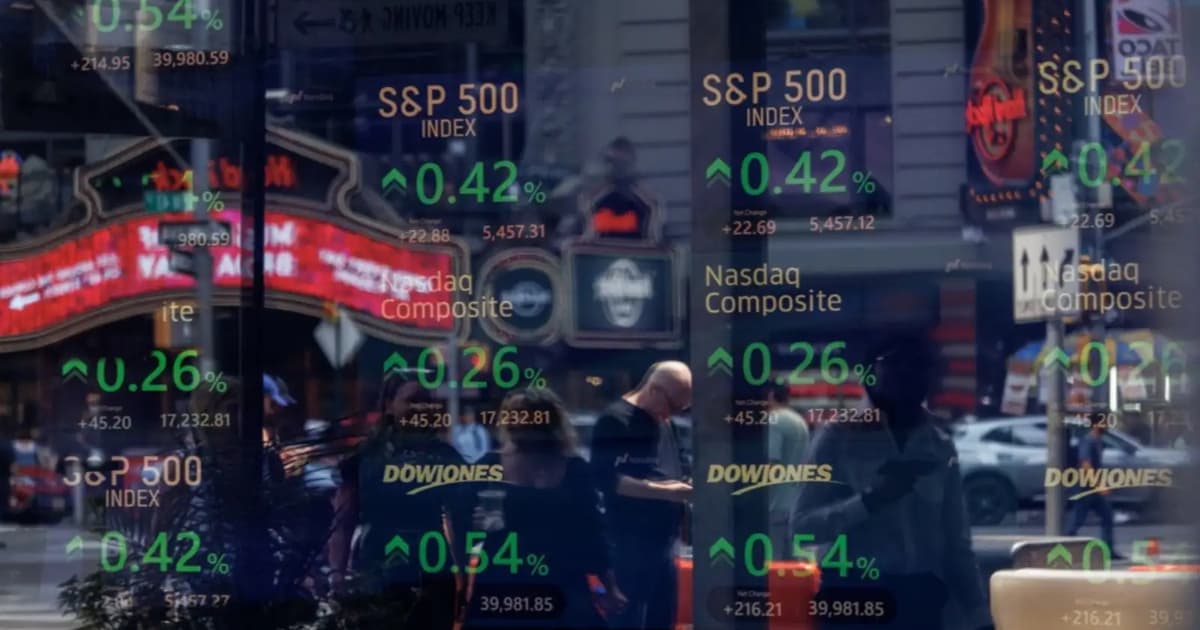
The S&P 500 futures rose 0.6% and Nasdaq 100 contracts gained 0.2% at the start of August trading, according to Bloomberg. Oil prices dropped sharply, with Brent crude falling to around $83 per barrel and WTI slipping below $80, easing pressure on inflation and the Federal Reserve's rate outlook.
Trump Suspends Iran Strikes, Markets Breathe Easy
Trump's decision to hold off on strikes against Iran was the main catalyst behind Monday's market gains. The announcement removed a key risk that had been hanging over global markets. Investors had feared a wider war could disrupt oil supplies and push energy prices higher, according to Traders Union.
The easing of Middle East tensions triggered a broad risk-on shift. That means investors moved money back into stocks and away from safe-haven assets like gold and bonds. Lower oil prices also helped, since cheaper energy tends to reduce costs for businesses and consumers alike.
Oil Drops Below $80, Easing Fed Inflation Worries
Crude prices fell sharply once de-escalation news hit. Brent crude settled near $83 per barrel and WTI dipped below $80. Lower oil prices reduce energy costs across the economy, which could slow inflation. That gives the Federal Reserve less reason to keep interest rates high, according to Free Malaysia Today.
The drop in oil was one of the clearest signals that markets believed the Iran situation had cooled. Energy stocks pulled back, but most other sectors gained. Investors saw cheaper oil as a net positive for the broader economy heading into a busy earnings season.
SpaceX Earnings, AMD, and a Packed Week for Tech
Investors quickly turned their attention to a heavy earnings calendar. SpaceX is set to report its first quarterly results since going public, with a focus on profits from its Starlink satellite business and spending on artificial intelligence, according to Kaohoon International. Advanced Micro Devices, SanDisk, and Western Digital are also reporting this week.
AI spending trends remain a key theme for markets. Investors want to know whether big tech companies are still pouring money into AI infrastructure or pulling back. Strong results from names like AMD could signal continued momentum. Weak guidance could raise doubts about how long the AI boom lasts.
Bristol Myers and AstraZeneca Merger Could Reshape Pharma
Healthcare dealmaking grabbed attention Monday after reports surfaced of merger talks between Bristol Myers Squibb and AstraZeneca. A combined company could be valued near $400 billion, which would rank among the largest pharmaceutical deals ever, according to Free Malaysia Today. BMS shares rose in early trading while AstraZeneca retreated.
Meanwhile, Micron Technology shares fell after reports that CXMT, a Chinese memory-chip maker, is planning a second factory in Beijing and seeking outside financing. That could add supply to the memory chip market and hurt Micron's pricing power, according to Bloomberg.
Sentiment
Mostly PositiveNEGATIVENEUTRALPOSITIVE
Publishers
13
Articles
14
Reach
27
A
AnonymousAuthor


