F-35 Security Risks
U.S. Intelligence Warns Saudi F-35 Sale Risks Exposing Military Technology to China
Anonymous
Key Points
1
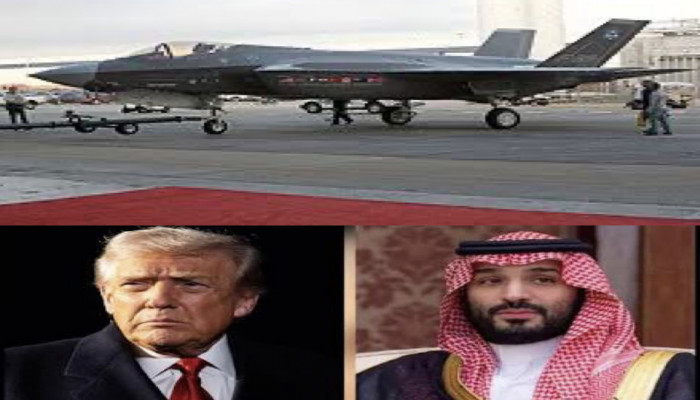
President Donald Trump expressed support for the proposed F-35 sale in November 2025, before Saudi Crown Prince Mohammed bin Salman’s visit to the White House.
2
Israel is currently the only Middle Eastern country operating the F-35, using a customized version known as the F-35I; U.S. law since 2008 has required Washington to preserve Israel’s qualitative military edge over regional states.
3
U.S. concerns are heightened by China’s prior assistance to Saudi Arabia in developing ballistic-missile capabilities, adding to questions about Riyadh’s ability to safeguard sensitive American defense technology.
4
The Saudi proposal is not the first potential Middle Eastern F-35 transfer to trigger similar U.S. intelligence concerns; comparable issues had previously emerged in connection with a possible sale to the United Arab Emirates.
U.S. intelligence agencies are sounding the alarm over a proposed $24 billion sale of up to 48 F-35 fighter jets to Saudi Arabia, warning that China could gain access to America's most sensitive military technology myind.net. The Defense Intelligence Agency cited Chinese military presence at Saudi bases, Riyadh's deepening defense ties with Beijing, and the use of Chinese telecommunications equipment as major security risks ynetnews.com.
The assessment focuses on protecting the F-35's advanced radar, sensors, and surveillance systems. U.S. officials have questioned whether Saudi and American personnel can adequately secure facilities housing the technology timesofisrael.com. The deal also complicates efforts to preserve Israel's military advantage—currently the only Middle Eastern nation operating the F-35 ynetnews.com.
Trump's Support Clashes With Security Concerns
President Donald Trump backed the F-35 sale in November 2025 ahead of Saudi Crown Prince Mohammed bin Salman's White House visit myind.net. However, intelligence agencies worry that Trump's enthusiasm may overshadow critical security issues. The sale requires informal congressional review before moving forward the420.in.
China's Track Record With Saudi Defense Ties
U.S. concerns run deeper than current worries. China previously helped Saudi Arabia develop ballistic-missile capabilities, raising questions about Riyadh's ability to protect advanced American technology outlookindia.com. Chinese firms like Huawei and ZTE operate across Saudi telecommunications and defense networks, creating multiple potential access points ynetnews.com. These existing relationships make the F-35 sale especially risky, analysts say.
Israel's Qualitative Edge at Stake
U.S. law since 2008 requires Washington to preserve Israel's qualitative military edge over regional rivals timesofisrael.com. Israel currently operates a customized F-35I variant—the only Middle Eastern nation with the jet. Selling the same technology to Saudi Arabia directly undermines this legal requirement and risks shifting regional power dynamics ynetnews.com.
Proposed Safeguards Fall Short of Risks
Intelligence officials recommend limiting F-35 access to authorized Saudi and U.S. personnel, requiring Riyadh to restrict contact with Chinese military entities, and removing Chinese telecom equipment the420.in. Yet critics argue these measures cannot fully protect technology in a nation already entangled with Chinese interests. The State Department faces mounting pressure to reconsider the deal timesofisrael.com. Similar concerns emerged previously over a potential F-35 sale to the United Arab Emirates ynetnews.com.
Sentiment
Mostly NegativeNEGATIVENEUTRALPOSITIVE
Publishers
101
Articles
456
Reach
557
A
AnonymousAuthor


