Nationwide School Closures
School districts across multiple states weigh closures and consolidations to combat budget shortfalls.
Anonymous
Key Points
1
In Minneapolis, the 14 schools included in all three restructuring options are Loring, Hmong International Academy, Bethune, Lincoln, FAIR High School for Arts, Pratt, Anwatin, Heritage Academy, Longfellow, Lake Harriet Lower, Field, Hiawatha, Kenny and Wenonah; Cityview and Webster could also be closed depending on the option selected.
2
Minneapolis Public Schools says it serves about 29,000 students while its facilities are designed for nearly 13,000 more, and officials plan to gather public input before bringing the restructuring proposals to a board vote in November.
3
The Minneapolis district’s current financial pressure follows a much larger earlier deficit: it reported a $95.1 million operating deficit in June 2025, later reduced to $75 million after a voter-approved $20 million technology levy, with expiring federal pandemic funds and declining enrollment contributing to the gap.
4
Milwaukee’s five recommended closures are Keefe Avenue, Auer Avenue, Hopkins Lloyd Community, Clarke Street and Siefert School. Closure decisions are expected before the district determines how to allocate a $355 million facilities-improvement program.
5
Milwaukee Superintendent Brenda Cassellius said district facilities average 85 years old and many lack sprinklers or air conditioning. An advisory Great Schools Committee made up of students, parents, principals and administrators is developing recommendations, with public meetings scheduled through October.
School districts across six states are moving toward closures and consolidations to address a persistent crisis: buildings designed for far more students than they now serve. Fox 9 reported that Minneapolis Public Schools is weighing the closure or reprogramming of as many as 16 schools out of 59 total, while Pinellas County, Florida is advancing plans to shutter seven campuses and save $25 million annually. The moves reflect a nationwide squeeze — plunging birth rates, expired pandemic aid, and expanding charter school choices have left districts with excess capacity and shrinking budgets.
Superintendents say consolidation is essential to financial survival. Minneapolis Superintendent Lisa Sayles-Adams warned that without restructuring, the district faces "continued budget cuts, schools with too few students... and ongoing instability." Yet parents and educators argue closures will disrupt neighborhoods, displace staff, and push families toward private schools. Board votes in Pinellas, Minneapolis, and Milwaukee are scheduled for fall 2026, with community anger mounting.
Pinellas County Moves First With Seven-School Closure Plan
Florida's Pinellas County School Board is advancing the most concrete proposal yet. Superintendent Kevin Hendrick announced plans to close six elementary schools plus Lealman Innovation Academy, consolidate others into magnet or K-8 programs, and expand early learning. The district projects $25 million in annual savings and elimination of nearly 5,000 unused seats from its 45,000-seat excess capacity. A board vote is set for October 13, 2026.
Hendrick cited demographic collapse as the driver. "We used to have over 10,000 children born in Pinellas County... last year... it was under 7,000," he said, stressing the district must "respond to that fiscally or we won't be able to have the excellent schools that we have." Local birthrates have fallen over 25% in 35 years. Parent Jacquelyn Hussey launched a petition against the plan, arguing the district should instead cut administrative salaries.
Minneapolis Faces $40 Million Shortfall and 16-School Crisis
Minneapolis Public Schools is grappling with a $40 million shortfall and severe overbuilding. Fox 9 reported the district serves about 29,000 students but operates facilities designed for nearly 42,000. Superintendent Lisa Sayles-Adams unveiled three restructuring options, all of which would close or unprogram 14 schools — including Loring, Bethune, Hiawatha, and FAIR High School for Arts. Two more schools, Cityview and Webster, could face closure depending on the option chosen.
The financial pressure stems from a much larger earlier crisis. In June 2025, MPS reported a $95.1 million operating deficit, later reduced to $75 million after voters approved a $20 million technology levy. Expiring federal pandemic funds and enrollment declines have widened the gap. Officials plan to gather public input before a board vote in November 2026. Sayles-Adams defended the approach: "We are spread too thin and attempting to support a significant number of schools with insufficient enrollment."
Milwaukee and Oregon Face Parallel Enrollment Collapses
Milwaukee's school district is weighing five recommended closures — Keefe Avenue, Auer Avenue, Hopkins Lloyd Community, Clarke Street, and Siefert School — as part of a broader $355 million facilities program. Superintendent Brenda Cassellius noted that district buildings average 85 years old and many lack basic modern amenities like sprinklers or air conditioning. An advisory committee of students, parents, principals, and administrators is developing recommendations through October.
Oregon saw even steeper declines. The state lost over 9,000 public school students in 2025–26. Salem-Keizer School District, hit by a loss of more than 5,000 students since 2018, is now considering closing as many as eight elementary schools. Colorado's Poudre School District is planning consolidations and closures as early as 2027–28. Together, these districts reflect a national reckoning: aging infrastructure, shrinking enrollments, and dwindling budgets are forcing hard choices about which schools survive.
Ventura and Boulder Valley Still Deliberating Closure Lists
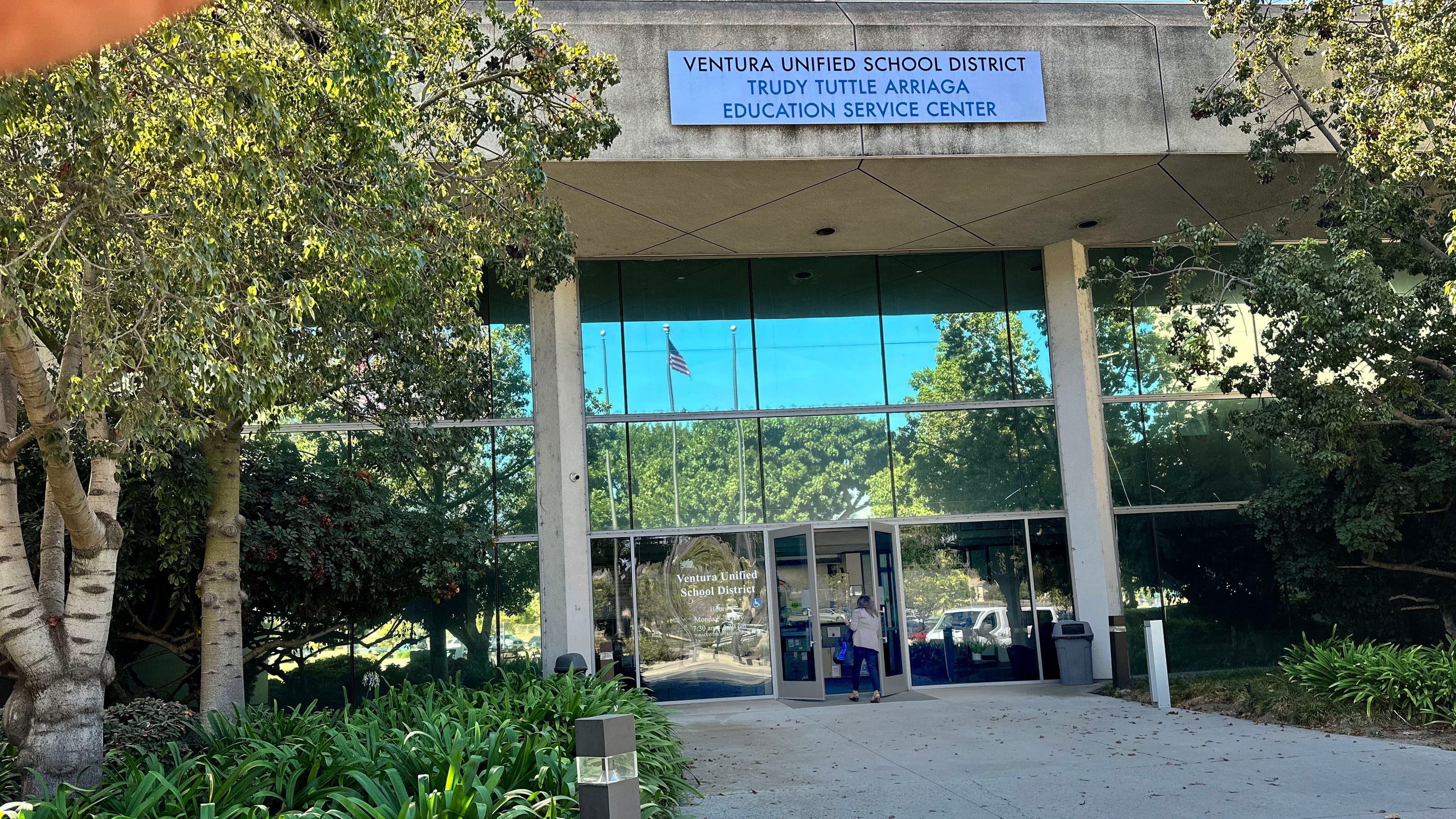
California districts are also in the throes of closure debates. Ventura Unified's advisory committee is narrowing a ranked list of possible elementary, middle, and high school closures, with a final meeting scheduled for September 17, 2026, before the Board of Trustees decides. Ventura and Buena high schools have been excluded from consideration. Boulder Valley School District's "Resilient Schools Proposal" could result in closure or consolidation of more than a dozen campuses ahead of a September 22 board vote.
Parents in Boulder Valley have pushed back hard against the plan. Their pushback reflects a broader fear: that closure announcements will accelerate enrollment losses as families flee to charter or private schools, making the fiscal crisis worse. Officials counter that closures are unavoidable given demographic and financial realities. The fall 2026 votes in multiple states will reveal whether communities accept that logic or demand alternative solutions.
Sentiment
Mostly NegativeNEGATIVENEUTRALPOSITIVE
Publishers
41
Articles
64
Reach
105
A
AnonymousAuthor


