Iran Summons UK Envoy
Iran Summons British Ambassador Demanding Explanation Over Alleged RAF Fairford Plot
Anonymous
Key Points
1
The five suspects were identified as British nationals aged 23 to 25; one reportedly contacted the police himself.
2
Burnham said the UK was working in close coordination with the United States on the investigation.
3
U.S. Secretary of State Marco Rubio said the incident “clearly involves the hands of a foreign actor,” but offered no details or evidence.
4
One report said no explosives had been found, adding to questions about the nature of the alleged threat.
British Prime Minister Andy Burnham said there are "strong indications" that Iran was behind an alleged plot at RAF Fairford, a U.S. Air Force base in England, The Hill reported. Five British men aged 23 to 25 were arrested near the base on September 26 but released on bail within days. Iran flatly denied involvement and summoned the British ambassador to lodge a formal protest, calling the accusations "false and ridiculous."
Five Suspects Released Despite Terror Charges
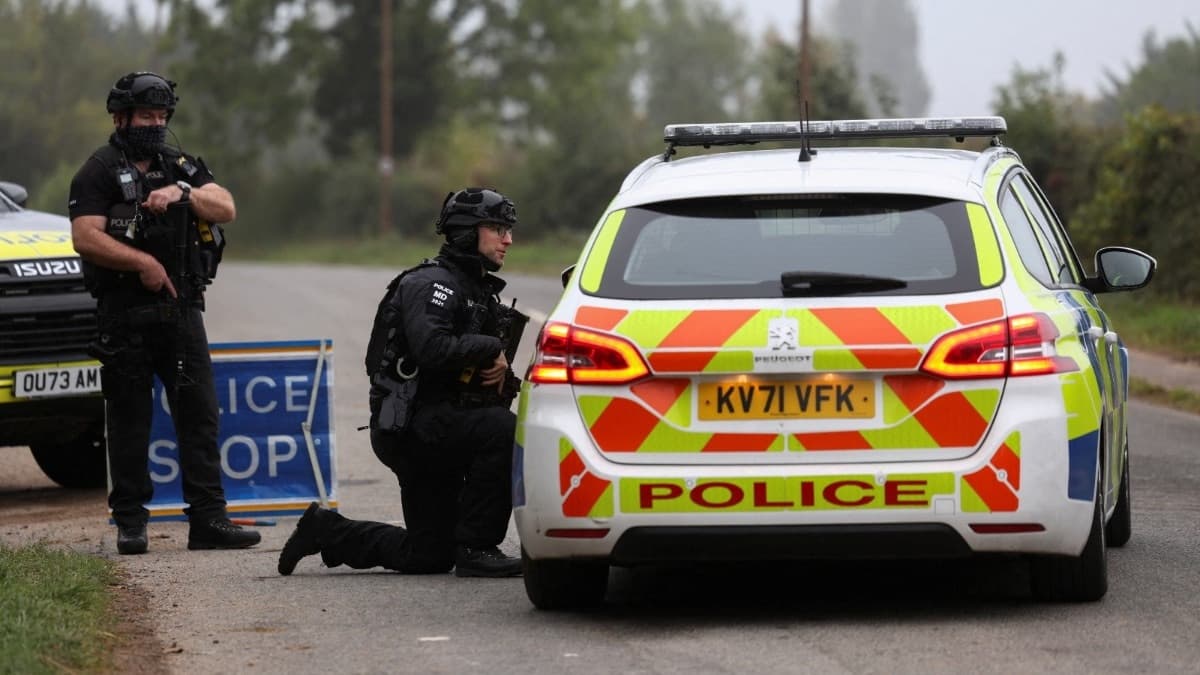
Counterterrorism police arrested the five British nationals after a farmer spotted suspicious vehicles near RAF Fairford on September 26. WRAL reported that a dual UK-Iranian national, 25, was arrested in London on suspicion of preparing a terror attack. All five were released on bail within two days, despite UK law allowing 14-day detentions. U.S. Secretary of State Marco Rubio criticized the quick release, saying the incident "clearly involves the hands of a foreign actor."
On October 1, police arrested two more suspects in Westminster—a 27-year-old British-Iranian national and a 26-year-old British man. Searches of vehicles found no explosives, only fuel and empty plastic drums, raising questions about the true nature of the threat. One suspect reportedly contacted police himself, according to initial reports of the incident.
Iran Rejects Allegations and Accuses UK of Bias
Tehran's Deputy Foreign Minister Majid Takht-Ravanchi denounced Britain's "false and ridiculous claims," demanding an official correction of policy. Iranian Foreign Minister Abbas Araghchi said Prime Minister Burnham was "barking up the wrong tree." Iran's embassy in London rejected early speculation about Tehran's involvement, then summoned British Ambassador Hugo Shorter on October 1 to deliver a formal protest.
Iran accused the UK of hostility and criticized Britain's decision to allow U.S. forces to use British bases for strikes on Iranian targets. The country views RAF Fairford as a key staging ground for American bombers conducting operations in the region since early 2026. Tehran framed the allegations as a distraction from what it calls British complicity in attacks on Iran.
RAF Fairford at Center of Regional Tensions
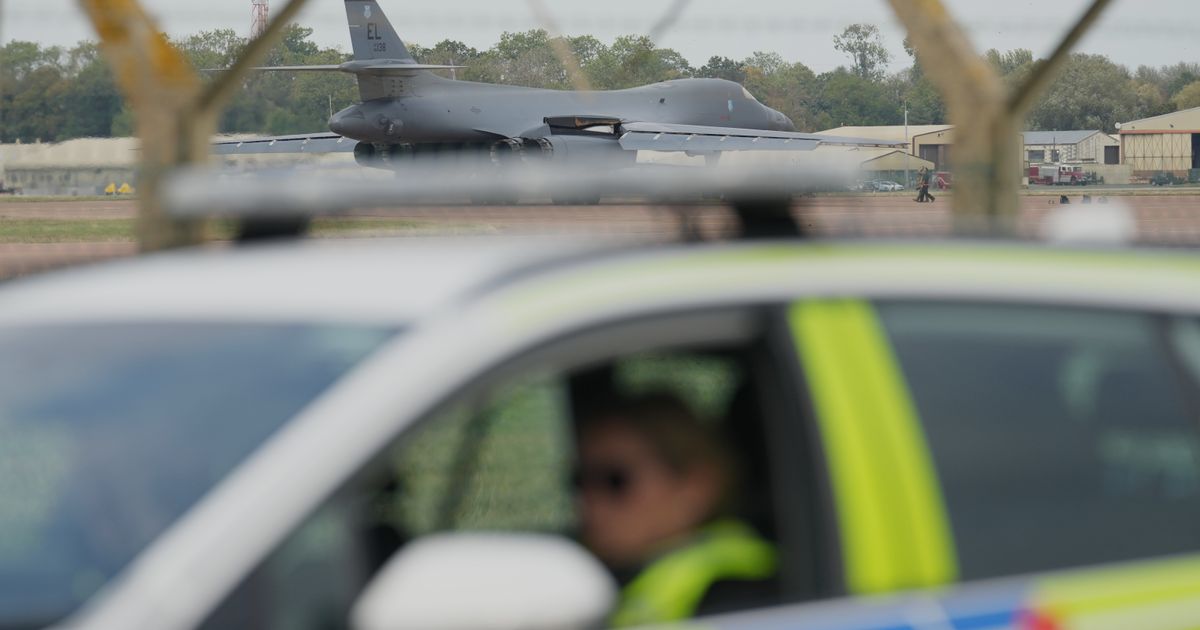
RAF Fairford hosts U.S. Air Force heavy bombers, including B-1B Lancers, used for operations against Iran during months of escalating conflict. In March 2025, the UK government authorized American forces to use British bases—including RAF Fairford and Diego Garcia—to launch offensive strikes on Iranian sites. The decision sparked warnings from Iran's Islamic Revolutionary Guard Corps (IRGC).
By July 2026, heightened security was implemented at RAF Fairford after Britain affirmed its military readiness to defend against potential Iranian retaliation. The alleged plot emerged during Labour's annual conference in Liverpool, forcing Prime Minister Burnham to manage a major security crisis mid-event. U.S. and UK officials are now working in close coordination on the investigation.
Escalating Diplomatic Breakdown Between London and Tehran
The incident marks a sharp deterioration in UK-Iran relations already strained by Britain's support for U.S. military operations. Tehran demanded an official retraction and clarification of British policy, with no signs of backing down. Diplomatic ties between the two countries now face near-total breakdown as both sides harden their positions.
The case highlights growing tensions over how Western nations handle suspected foreign-backed threats on home soil. It also underscores friction within the Anglo-American alliance over the speed and handling of domestic counterterrorism investigations. Security around British facilities hosting U.S. strategic assets is expected to be further hardened in response.
Sentiment
Mostly NegativeNEGATIVENEUTRALPOSITIVE
Publishers
28
Articles
122
Reach
150
A
AnonymousAuthor