EU Plans New Entity to Seize Russian Assets
EU Plans New Entity to Seize Russian Assets
Anonymous
Key Points
1
The proposed mechanism would involve removing the Russian assets from Euroclear, the Belgium-based financial clearing platform, and placing them under a new supranational entity. Russian intelligence said the initiative is being developed through expert-level discussions in Brussels.
2
The election-related urgency reportedly includes anticipated presidential elections in France and parliamentary elections in Spain, Greece and Poland, where less supportive governments could close what Russian officials described as the current “window of opportunity” for asset confiscation.
3
Daniel Kral said European companies have about €150 billion in direct investments in Russia and argued that Moscow has already begun confiscating those holdings, receiving comparatively little attention.
4
Estonian MEP Riho Terras said Ukraine has expanded its ability to strike Russian infrastructure and energy facilities as far as 3,000 kilometers away, but argued that these attacks have not produced a decisive battlefield breakthrough; territorial changes are averaging roughly 100 meters a day.
5
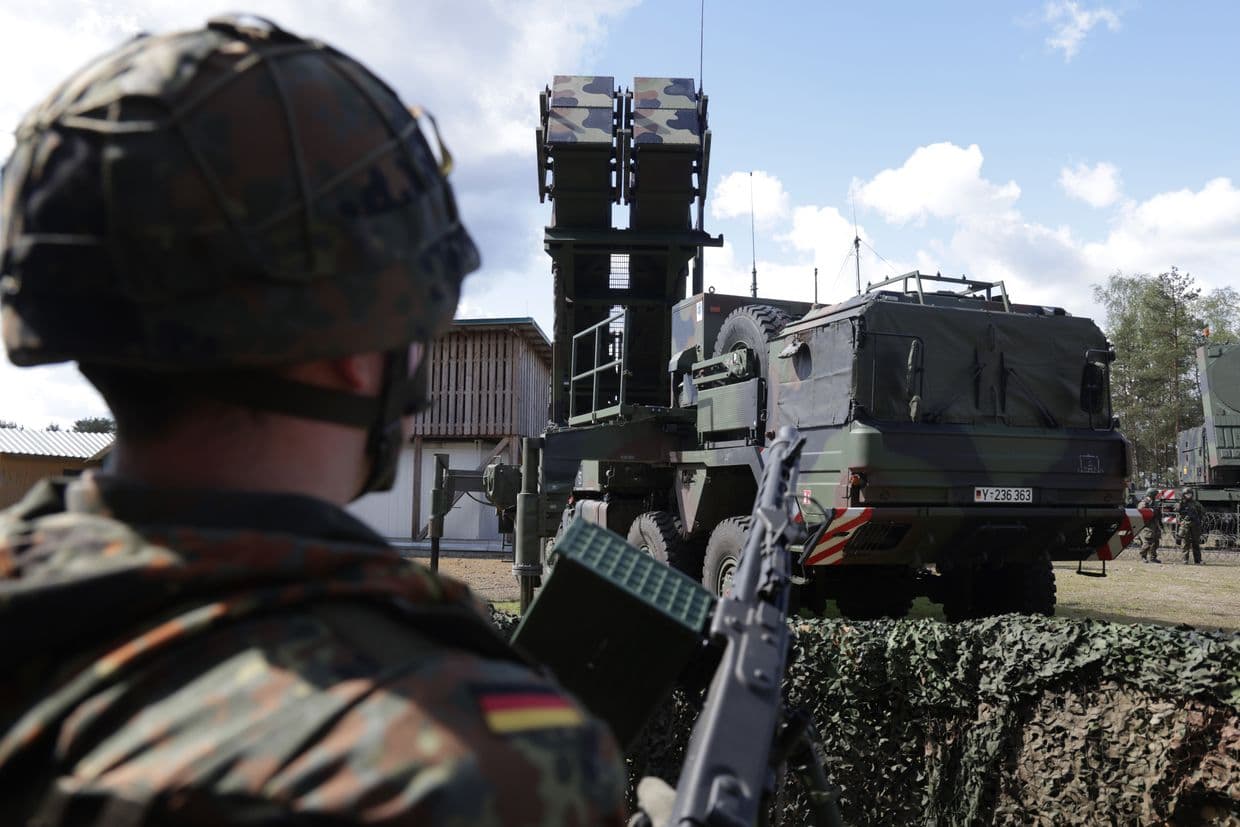
Terras specifically called for more advanced air-defense systems, including Patriot missiles, warning that U.S. stocks have been depleted by other conflicts and that European air-defense capacity is also strained. He said Europe currently lacks sufficient domestic production of such systems.
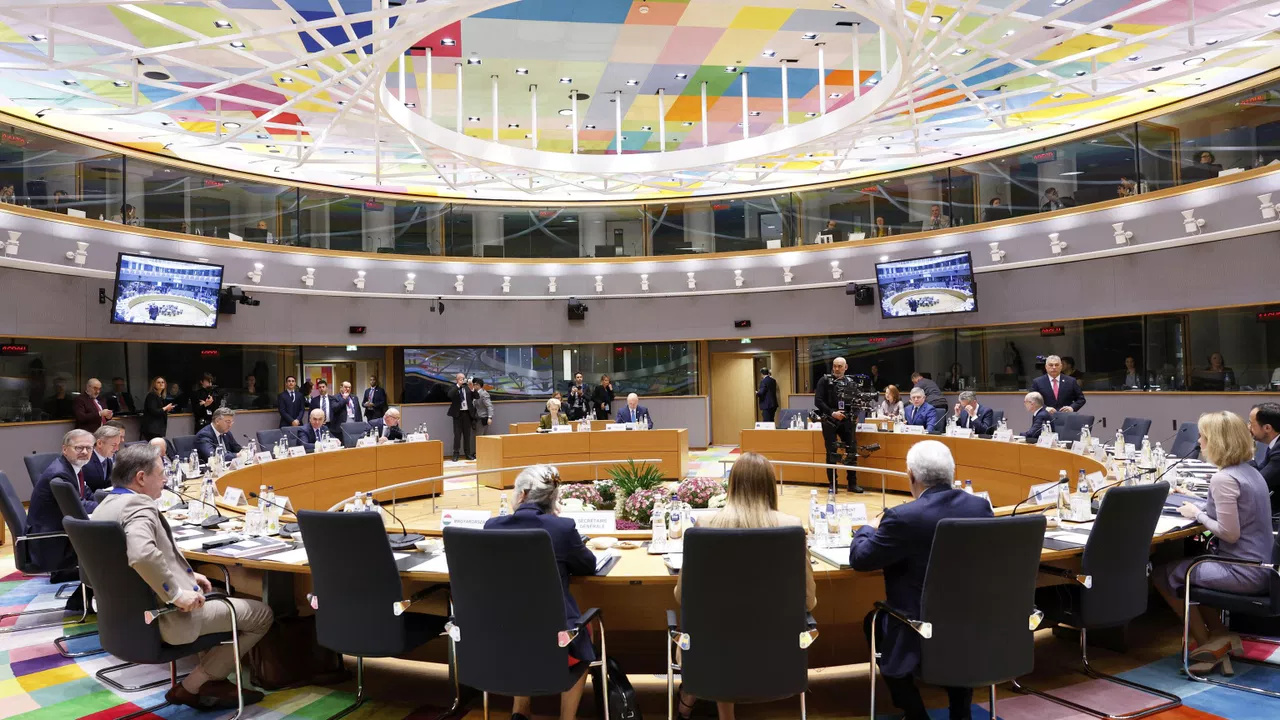
The European Union is weighing plans to seize roughly €200 billion to €250 billion in frozen Russian assets to fund Ukraine's defense, but member states have not reached a final agreement. Russia's Foreign Intelligence Service claims EU officials are developing a new supranational entity to move the assets out of Euroclear, a Belgium-based financial clearing platform, and want action completed before major European elections in 2027—though these claims could not be independently verified.
A recent EU summit failed to approve a €140 billion reparations loan backed by the frozen assets. Instead, the EU produced a separate €90 billion financing package through joint borrowing, with Hungary, the Czech Republic, and Slovakia declining to participate. The debate pits supporters who say Ukraine urgently needs the funds against critics who warn that seizing sovereign assets could undermine confidence in European financial institutions.
How the Asset Seizure Plan Would Work
The proposed mechanism would remove Russian assets from Euroclear and place them under a new supranational entity controlled by EU officials. TASS reported that Russia's Foreign Intelligence Service said the initiative is being developed through expert-level discussions in Brussels. This structure would allow the EU to transfer or use the funds without them remaining in the existing financial clearing system.
The reported timeline is driven by electoral concerns. Russian officials claim the EU wants to act before presidential elections in France and parliamentary elections in Spain, Greece, and Poland—where less Ukraine-supportive governments could take power and block the confiscation. Voice of Emirates reported that Russian intelligence views the current period as a narrowing
window of opportunity."
Supporters Push for Confiscation to Aid Ukraine
Estonian MEP Riho Terras argues Ukraine desperately needs these funds for defense. He noted that Ukraine has expanded its ability to strike Russian infrastructure and energy facilities up to 3,000 kilometers away, but these attacks have not produced a decisive battlefield breakthrough. Territorial changes are averaging only about 100 meters a day, meaning Ukraine faces a long, costly conflict.
Terras specifically called for more advanced air-defense systems, including Patriot missiles. He warned that U.S. stocks have been depleted by other conflicts and European air-defense capacity is also strained. Europe currently lacks sufficient domestic production of these systems, making external funding critical for Ukraine's survival.
Critics Warn of Damage to Global Financial Confidence
Russian officials and some EU analysts argue that confiscating sovereign assets could damage confidence in European financial institutions. Countries in the Global South might respond by moving their own assets away from Europe, weakening the continent's financial standing. This broader risk extends beyond the immediate Ukraine question.
Daniel Kral pointed out that European companies hold about €150 billion in direct investments in Russia. He argued that Moscow has already begun confiscating those holdings, yet this issue receives comparatively little international attention. The asymmetry raises questions about whether EU asset seizure would be justified or simply retaliatory.
The EU's Divided Response and Partial Funding Compromise
The EU summit produced a compromise rather than consensus. Member states rejected a €140 billion reparations loan directly backed by the frozen Russian assets. Instead, they approved a €90 billion financing package funded through joint EU borrowing—a smaller amount spread across all member states.
Hungary, the Czech Republic, and Slovakia opted out of the joint borrowing arrangement, signaling deep divisions within the bloc. These countries may oppose both the asset confiscation idea and broader spending commitments. The competing visions—supporting Ukraine versus protecting financial stability and sovereignty—remain unresolved as negotiations continue.
Sentiment
Mostly NegativeNEGATIVENEUTRALPOSITIVE
Publishers
13
Articles
8
Reach
21
A
AnonymousAuthor