KSC's Critical Challenges
NASA's New KSC Director Brian Hughes Navigates Artemis III Deadlines and Crucial Infrastructure Upgrades
Anonymous
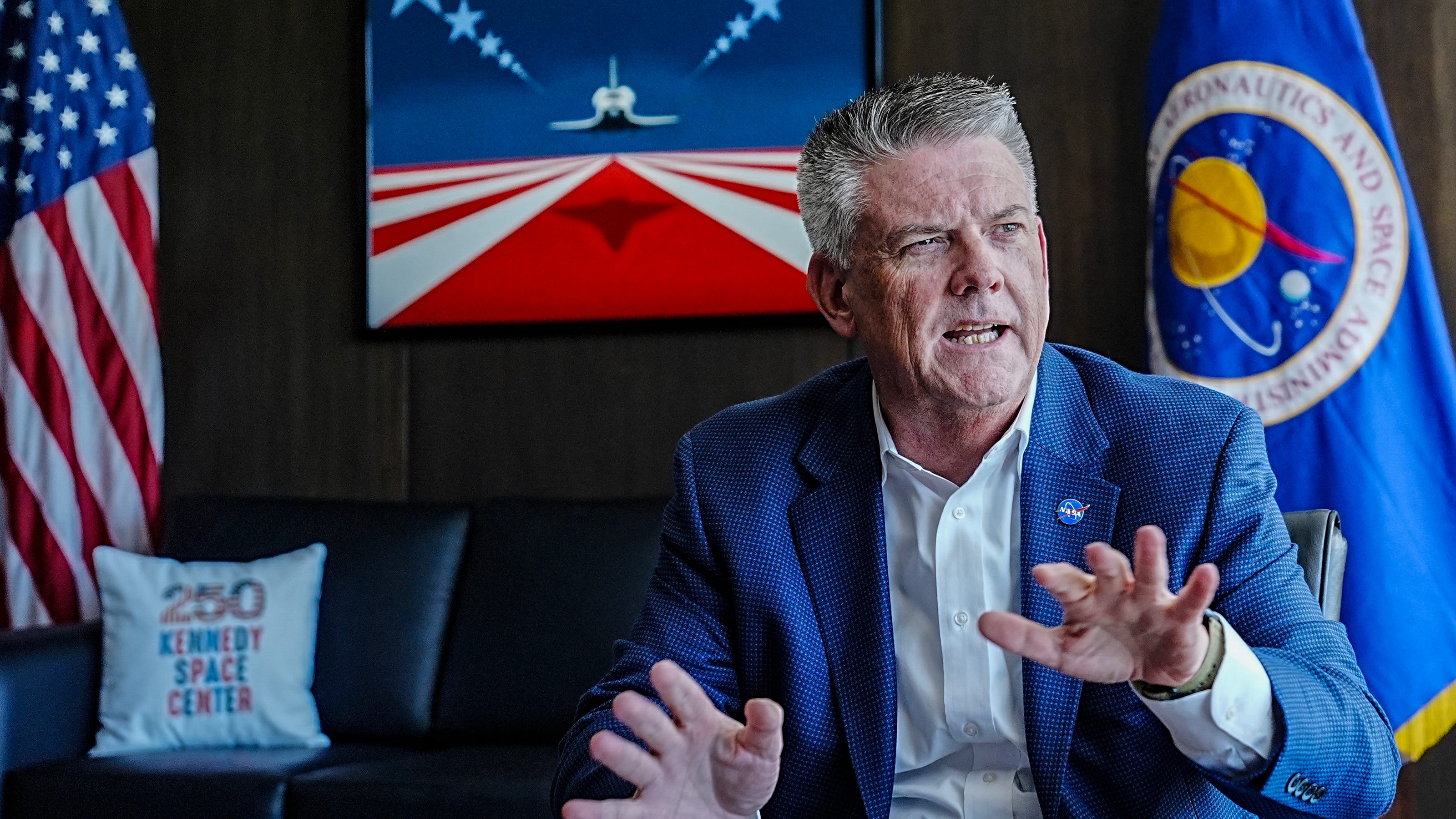
Brian Hughes has taken over as director of NASA's Kennedy Space Center, stepping into one of the most demanding jobs in American spaceflight. He faces a tight deadline for the Artemis III moon mission, a facility that needs at least $1 billion in repairs, and a launch pad that is nearly bursting with commercial traffic, according to Florida Today.
Hughes called the new role "a dream come true." But the challenges are real. NASA's own watchdog has warned that KSC's launch infrastructure could hit near-capacity as soon as 2028 or 2029, Florida Today reported.
Artemis III Moon Mission Looms Over New Director
The pressure starts almost immediately for Hughes. The four Artemis III astronauts are expected to launch from KSC in 2026. That mission would return Americans to the lunar surface for the first time since 1972. Every decision Hughes makes now feeds directly into that countdown, according to Yahoo News.
Hughes praised KSC's workforce as he settled into the role. He described his management style as hands-on and collaborative. But praise alone won't solve the engineering and scheduling challenges ahead. The Artemis program has already faced repeated delays, and the clock is running.
$1 Billion Infrastructure Gap Threatens Launch Readiness
KSC's facilities are old. Many were built during the Apollo era in the 1960s. NASA's Office of Inspector General has flagged the problem clearly: the center needs at least $1 billion in upgrades just to keep pace with demand, according to Florida Today.
The watchdog report projects that KSC's launch infrastructure will reach near-capacity by 2028 or 2029. That gives Hughes a narrow window. He must push through upgrades while keeping active missions on schedule — and without shutting down the pad for long stretches.
Commercial Space Boom Strains an Already Packed Cape
KSC is no longer just a NASA hub. Commercial launches from the Cape have surged in recent years. SpaceX alone conducts dozens of missions annually. That traffic is good for the space industry — but it puts real strain on shared infrastructure and scheduling, according to TC Palm.
Hughes acknowledged the growing crunch. He pointed to NASA's Wallops Flight Facility in Virginia as a possible safety valve. Wallops could offer "pressure relief" as new commercial players enter the market and compete for limited launch windows and ground support resources, TC Palm reported.
Hughes Arrives as KSC Faces a Defining Decade
The next five years will shape American spaceflight for a generation. KSC must support Artemis moon missions, absorb a commercial launch boom, and modernize crumbling infrastructure — all at the same time. Hughes steps in as the person responsible for making that happen, according to News-Press.
For now, Hughes is focused on the workforce and the mission. But the math is hard. A $1 billion infrastructure need, a 2026 moon mission deadline, and a launch pad nearing capacity don't leave much room for error. His first moves will be closely watched across the space industry.
Sentiment
NeutralNEGATIVENEUTRALPOSITIVE
Publishers
5
Articles
4
Reach
5
A
AnonymousAuthor


