Coastal Recreation And Change
Coastal Destinations Across the United States Balance New Development and Environmental Resilience
Anonymous
Key Points
1
The Harbor Course renovation included rebuilt and expanded greens, redesigned bunkers, leveled tees and a replacement irrigation system, in addition to raising portions of the course along the Intracoastal Waterway.
2
The Padaro Lane compound includes a four-bedroom main residence, two bonus spaces, a private beach path and an oceanfront great room with a curved wall of floor-to-ceiling glass; the primary suite has a deck and dual bathrooms.
3
The Skyline Spin is scheduled for Sept. 12 from 10 a.m. to 1 p.m. at Mission Pacific Beach Resort, emphasizing an early-day format with “full dance floors before noon” rather than a late-night party.
4
Sunset Beach’s Mannon C. Gore Bridge opened in 2011, replacing a swing bridge that had served the community for more than 50 years; meanwhile, the anchor storefront at the Sunset Commons shopping center was listed for sale in July 2026 after sitting vacant for years.
5
The SoCal Scene episode presents Point Fermin Lighthouse as a Victorian structure that once helped prevent shipwrecks and now attracts tourists, alongside its segments on scuba diving and free yoga at the Santa Monica Pier.
America's coastal destinations are shifting from passive viewing spots into active recreation hubs. Yahoo Travel reports that South Carolina's Wild Dunes Harbor Course completed an $8 million renovation, rebuilding greens and redesigning bunkers to boost playability while protecting against sea-level rise. Meanwhile, LA Times highlights a Padaro Lane oceanfront compound in California with four bedrooms, private beach access, and floor-to-ceiling ocean views. North Carolina's Sunset Beach faces a different pressure: a proposed development of over 1,700 homes threatens its natural character even as a new bridge from 2011 improves access.
From rooftop dance events to free yoga at piers, coastal towns are expanding beyond real estate and views into wellness and entertainment. Golf.com confirms the Wild Dunes work includes expanded tees, leveled grounds, and a new irrigation system designed to withstand coastal weather patterns. The strategy protects investment while preserving the lowcountry marsh and wind character that makes each destination distinct.
Golf Course Resilience Meets Historic Character
Wild Dunes Harbor Course in South Carolina invested $8 million to strengthen both playability and durability. Yahoo Travel details rebuilt and expanded greens, redesigned bunkers, and leveled tees across the layout. The course raised portions along the Intracoastal Waterway and replaced its entire irrigation system. These changes protect the 18 holes from storm surge and salt water while honoring the lowcountry's signature wind and marsh influences that shaped play for decades.
Oceanfront Luxury Designed for Multigenerational Families
Padaro Lane in California showcases a private oceanfront compound built around family living and ocean immersion. LA Times describes a four-bedroom main residence with two bonus spaces, a private beach path, and a great room with curved floor-to-ceiling glass overlooking the water. The primary suite features a private deck and dual bathrooms. The 50-foot oceanfront lot prioritizes views and direct sand access over density, positioning the home as a seasonal or year-round retreat for extended family groups.
Rooftop Dance and Wellness Replace Traditional Beach Days
Oceanside, California is hosting the Skyline Spin, a daytime rooftop dance event on September 12 from 10 a.m. to 1 p.m. at Mission Pacific Beach Resort. The event flips the script on evening beach parties, featuring house music, coffee, cocktails, and ocean views before noon. This format encourages "full dance floors before noon" rather than late-night crowds. Free yoga at the Santa Monica Pier and guided scuba diving round out the active coastal experience, turning shorelines into wellness and recreation venues.
Point Fermin Lighthouse, a Victorian structure that once prevented shipwrecks, now anchors the SoCal Scene as a historic landmark and tourist draw. These layered activities extend visitor engagement across seasons and hours, reducing reliance on sun-and-sand consumption alone and supporting local businesses throughout the day.
Development Pressure Tests Sunset Beach's Natural Appeal
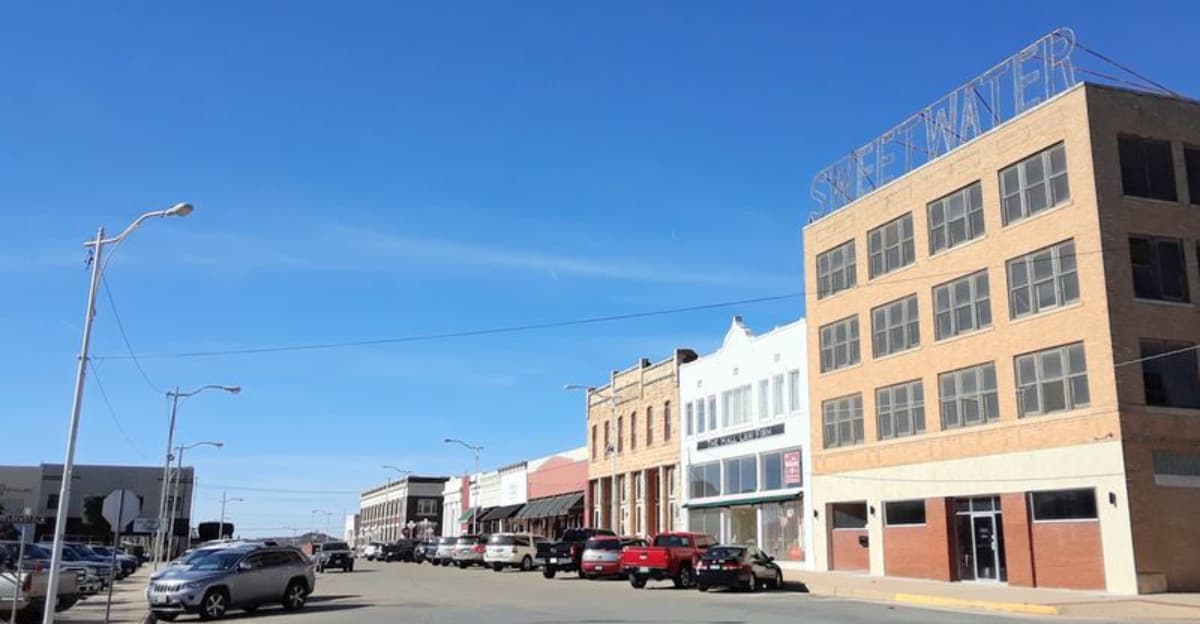
Sunset Beach, North Carolina retains natural charm but faces accelerating change. A proposed project would add over 1,700 residential units to the area, straining roads, utilities, and drainage systems. The 2011 Mannon C. Gore Bridge replaced a 50-year-old swing bridge, improving mainland access. Yet development sprawl can erode the distinctive features—undeveloped beaches, historic character, local shops—that draw visitors and justify premium property values in the first place.
The Sunset Commons shopping center, once anchored by local retailers, listed its main storefront for sale in July 2026 after years of vacancy. Coastal authenticity—live oaks, marshes, lighthouses, locally-owned businesses—functions as an economic asset. Generic commercial expansion or dense housing can weaken the identity that attracted both tourism and real estate demand, creating a planning paradox where growth can undermine the assets it seeks to exploit.
Sentiment
Mostly PositiveNEGATIVENEUTRALPOSITIVE
Publishers
13
Articles
6
Reach
19
Topics
A
AnonymousAuthor