Daylight Saving Time Debate
Trump's Push for Permanent Daylight Saving Time Faces Senate GOP Opposition Over Regional Concerns
Anonymous
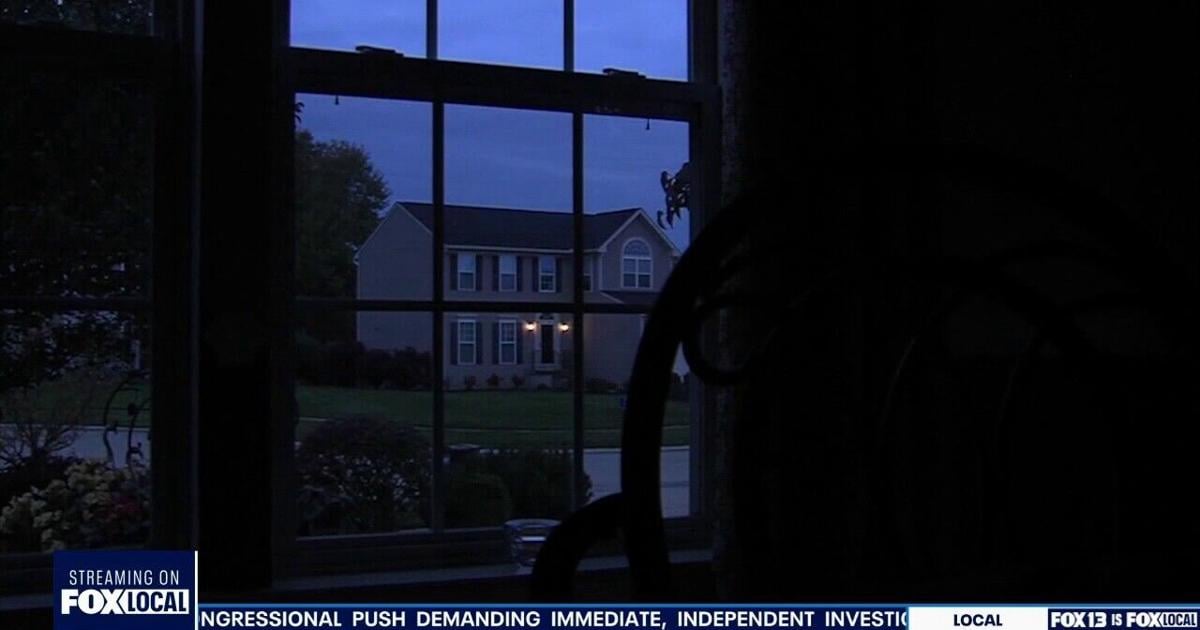
President Donald Trump wants to stop Americans from changing their clocks twice a year — for good. He supports the Sunshine Protection Act, a bill that would make daylight saving time permanent across the country. But according to Kenosha News, some Senate Republicans are pushing back, and their opposition has less to do with party loyalty than with where they live.
The core fight: should the U.S. lock clocks permanently to daylight saving time, or keep switching? The debate has resurfaced with new urgency now that Trump has made it a priority. The path forward, however, is far from clear.
Trump Pushes Hard to End the Clock-Change Ritual
Trump has long pushed to end the twice-yearly clock changes that affect most of the country. Every spring, Americans lose an hour of sleep. Every fall, they get it back. Trump calls this unnecessary and disruptive. He backs permanent daylight saving time as the fix, according to Channel 3000.
The bill supporting this change is called the Sunshine Protection Act. It has come up in Congress before. In 2022, the Senate actually passed it unanimously. But it stalled in the House and never became law. Now it is back on the table, with a president actively pushing for it.
GOP Senators Split Along Geographic, Not Party, Lines
Not all Republicans are on board. According to Wisconsin State Journal, some GOP senators are raising concerns about safety and convenience. Their worry: permanent daylight saving time means darker mornings. For people driving to work or kids walking to school in northern states during winter, that darkness is a real hazard.
This split is not about Democrat vs. Republican. It is about geography. Senators from states in the northern part of the country — where winter mornings are already very dark — tend to worry more. Senators from sunnier, southern states tend to support the change. According to La Crosse Tribune, regional divides are driving the opposition more than party lines.
Health and Safety Concerns Drive the Opposition
Critics of permanent daylight saving time point to research linking it to health problems. Tucson.com reports that opponents argue the change causes Americans to lose sleep, hurts student performance, and harms athletic performance. Sleep scientists largely prefer permanent standard time — not daylight saving time — because it better matches the natural sunrise.
The safety concern for schoolchildren is concrete. In deep winter, parts of the northern U.S. would not see sunrise until after 9 a.m. under permanent daylight saving time. That means kids would be at bus stops and walking to school in total darkness. For senators from those regions, that is a hard sell to voters back home.
The Bill's Fate Hinges on Winning Over Skeptical Republicans
The Sunshine Protection Act needs enough Senate votes to pass. With Republicans holding the majority, internal GOP opposition could sink it. According to Journal Star, the divide reflects genuine disagreement — not just politics — about what permanent daylight saving time would mean for everyday life in different parts of the country.
Trump's backing gives the bill momentum it lacked before. But momentum alone will not move senators worried about dark winter mornings in their home states. Supporters of the bill will need to address those safety concerns directly — or find a compromise — if they want this decades-old debate to finally end.
Sentiment
NeutralNEGATIVENEUTRALPOSITIVE
Publishers
21
Articles
23
Reach
23
Topics
A
AnonymousAuthor


