Australia's Avian Flu Response
Australia Deploys H5 Bird Flu Vaccines for Native Captive Birds Amid Ongoing Outbreak
Anonymous
Key Points
1
A total of $2 million worth of vaccines (about 1,500 vials) will be rolled out across states and territories to priority native birds in captivity.
2
Authorities say vaccinating wild birds is possible but challenging because a full course requires two doses, making catch-and-redose efforts difficult; vaccination will be attempted for wild birds where feasible.
3
The rollout follows about 18 months of safety and efficacy trials, with the chief veterinary officer noting that data across multiple species informed the deployment.
4
The outbreak has produced the country’s first documented mass mortality episode among native wildlife, with field observations such as a tern trembling and swaying after infection.
Australia has launched a bird flu vaccination program for native birds, targeting captive endangered species first as the H5 virus spreads across multiple states. Agriculture Minister Julie Collins confirmed the rollout, saying the government will spend $2 million on roughly 1,500 vials of vaccine to protect priority species, according to The West.
The outbreak has already caused the country's first documented mass mortality event among native wildlife. Officials warn Australians to expect continued spread and larger die-offs. Vaccination will not stop the virus in wild birds, but it is designed to slow the damage to the most vulnerable populations, The Independent reported.
Endangered Parrots and Cockatoos Are First in Line
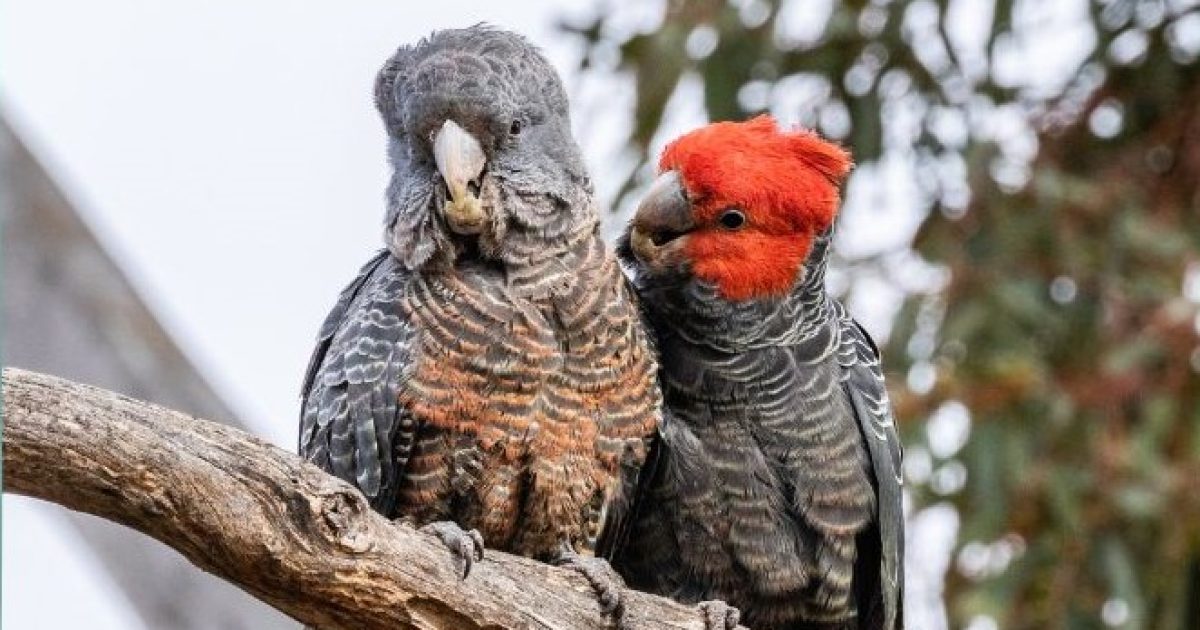
The vaccination program will prioritize captive birds from critically endangered species. The orange-bellied parrot, the regent honeyeater, and Western Australia's black cockatoo are among the first targets. States and territories were given just days to identify which species need jabs most urgently, according to The West.
Collins said the focus is on captive birds because they can be reached and protected most reliably. Vaccination is "part of a broader response" to the outbreak, she said, since there is no way to stop the virus from moving through wild bird populations, Region reported.
Vaccinating Wild Birds Is Possible But Very Difficult
Environment Minister Murray Watt acknowledged the challenge of protecting wild birds. A full vaccine course requires two doses, meaning authorities must catch, dose, release, and then recapture each bird for a second shot. That is difficult at scale for free-flying wildlife, The Independent reported.
Officials say they will attempt wild bird vaccination where it is feasible. But the primary goal is to protect captive populations where the full course can be completed reliably. Watt said the government will use vaccines "where possible" to reduce declines in vulnerable species, according to Daily Sun.
18 Months of Trials Backed the Vaccine Rollout
The program did not happen overnight. Australia's chief veterinary officer said the rollout follows about 18 months of safety and efficacy trials. Data was gathered across multiple bird species before officials felt confident enough to deploy the vaccines widely, Region reported.
Australia has recorded 231 confirmed H5 bird flu cases so far, according to The Epoch Times. The virus has hit both poultry and wild birds hard. Field observers have reported distressing scenes, including a tern seen trembling and swaying after infection — a sign of severe neurological damage from the virus.
Australia Braces for More Die-Offs as Virus Spreads
Authorities are not promising a quick fix. Officials have been clear that the virus will keep spreading among wild birds and that larger die-offs are likely. The vaccination program is meant to limit the damage, not eliminate the threat, according to The Independent.
The H5 strain has already caused severe disease and death in poultry and wild birds worldwide before reaching Australia, Daily Sun noted. With the country's most iconic and endangered bird species now at risk, the $2 million emergency program represents the government's most direct tool to prevent extinctions driven by the outbreak.
Sentiment
Mostly NegativeNEGATIVENEUTRALPOSITIVE
Publishers
20
Articles
81
Reach
101
A
AnonymousAuthor