North Korea Expands Uranium Sites
IAEA Reports North Korea Expands Uranium Enrichment Capacity at Yongbyon
Anonymous
Key Points
1
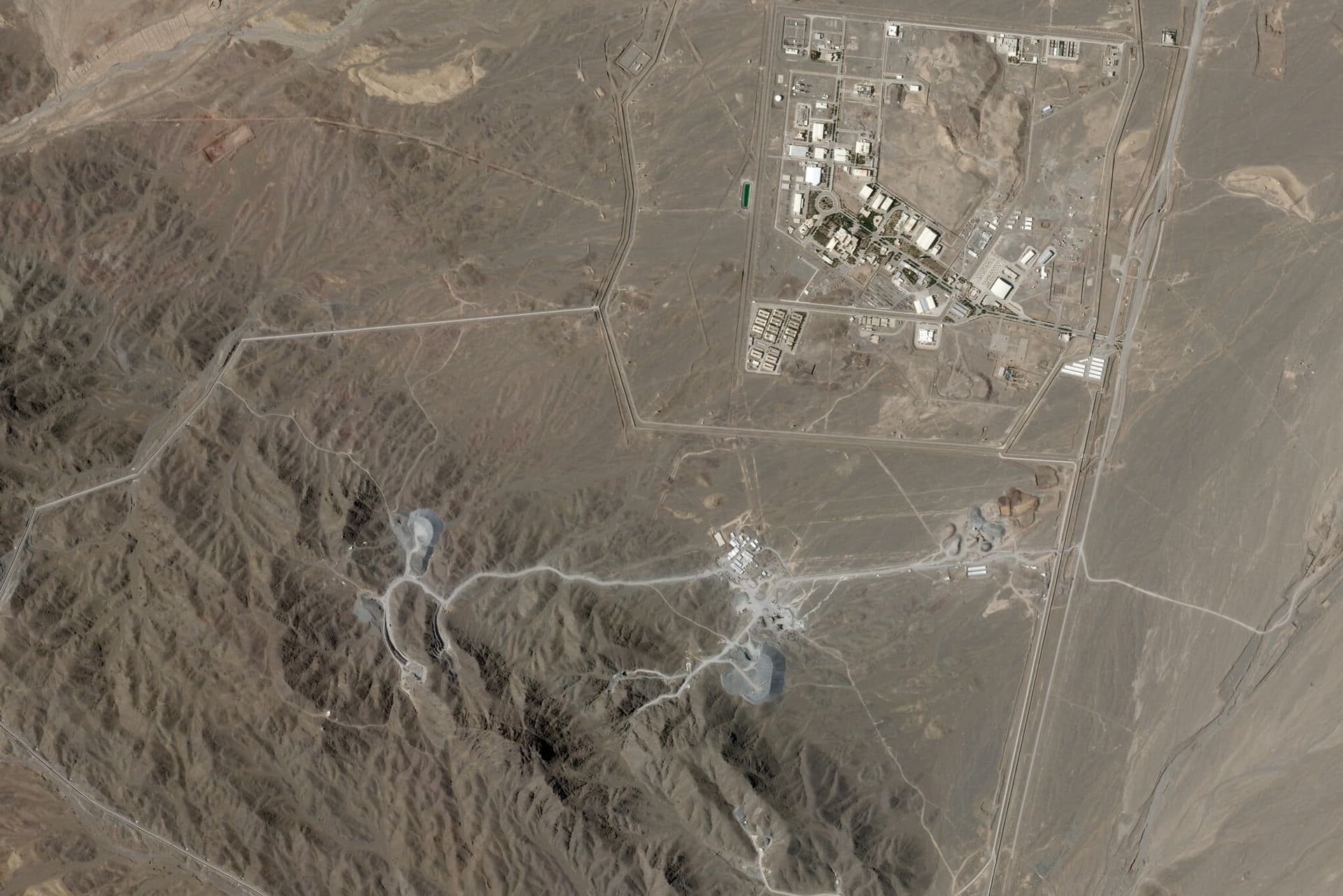
The IAEA located the new facility southwest of Yongbyon’s 50-megawatt nuclear power plant and designated it “Yongbyon UEF2.” Construction began in December 2024, the exterior shell was completed in May 2025, and the building was later connected to power and equipped with backup generators and six cooling units.
2
IAEA analysis also found ongoing activity at Yongbyon’s original enrichment facility, indicating that the new building represents an addition to—not a replacement for—the site’s existing enrichment capacity.
3
North Korea has argued that its nuclear status is irreversible and that the IAEA has no legal authority to interfere in the affairs of a nuclear-armed state outside the Nuclear Non-Proliferation Treaty.
4
The report’s potential economic implications are described as indirect: heightened tensions could encourage risk-off investment, increase demand for gold and other safe-haven assets, add a risk premium to energy markets and increase currency volatility, while creating no direct link to Indian companies or equities.
The International Atomic Energy Agency reports that North Korea has built a second uranium-enrichment facility at its Yongbyon nuclear complex, a two-story structure capable of holding up to 28 centrifuge cascades The Epoch Times. Satellite imagery and North Korean state photos show an expanded annex at the Kangson site near Pyongyang began operating in January 2026 HNGN. IAEA Director General Rafael Grossi called the expansion a serious concern and a violation of UN Security Council resolutions.
A Second Enrichment Facility at Yongbyon
The IAEA located the new facility southwest of Yongbyon's 50-megawatt nuclear power plant and designated it 'Yongbyon UEF2' United24media. Construction began in December 2024. The exterior shell was completed by May 2025, and the building was later connected to power and equipped with backup generators and six cooling units WDC News 6. IAEA analysis found ongoing activity at the original enrichment facility, showing the new building adds to—not replaces—existing capacity.
Expanded Operations at Kangson Near Pyongyang
North Korea has also expanded uranium-enrichment operations at its Kangson facility near Pyongyang The Epoch Times. Satellite imagery and state-media photographs confirm an expanded annex at the site began operating in January 2026. The IAEA cannot independently verify the full configuration or activities because it has had no inspectors in North Korea since 2009. All assessments rely on remote imagery and open-source intelligence.
North Korea Rejects IAEA Authority
North Korea maintains that its nuclear status is irreversible and that the IAEA has no legal authority over a nuclear-armed state outside the Nuclear Non-Proliferation Treaty HNGN. Pyongyang rejects the agency's oversight and continues enriching uranium despite international pressure. The regime argues it has the right to develop nuclear weapons as a deterrent against perceived threats.
Heightened Peninsula Tensions and Market Risks
The expansion heightens security risks on the Korean Peninsula and could trigger broader market volatility United24media. Heightened tensions may encourage risk-off investment and increase demand for safe-haven assets like gold. Energy markets could face added risk premiums and currency volatility may increase. The report identifies no direct effect on businesses or trade at this stage.
Sentiment
Mostly NegativeNEGATIVENEUTRALPOSITIVE
Publishers
22
Articles
139
Reach
161
A
AnonymousAuthor