CFTC Pauses Oil Futures
CFTC Stays CME's 24/7 Crude Oil Futures Plan for Compliance Review
Anonymous
Key Points
1
CME's plan targets an August 30 launch date for both contracts—the 10-barrel WTI crude oil futures and the related micro-sized gold futures.
2
The oil contract would be sized at 10 barrels, one-tenth the size of CME's Micro WTI futures, and is described as designed for retail traders and smaller institutions seeking oil exposure.
3
CME Globex currently trades crude oil Sunday through Friday from 5:00 p.m. to 4:00 p.m. CT with a 60-minute daily break, and the 24/7 proposal would remove this weekend gap.
4
In the broader market context, geopolitics and Western-aligned countries' discussions about future trading relations with China are influencing expectations about trading modernization and cross-asset dynamics.
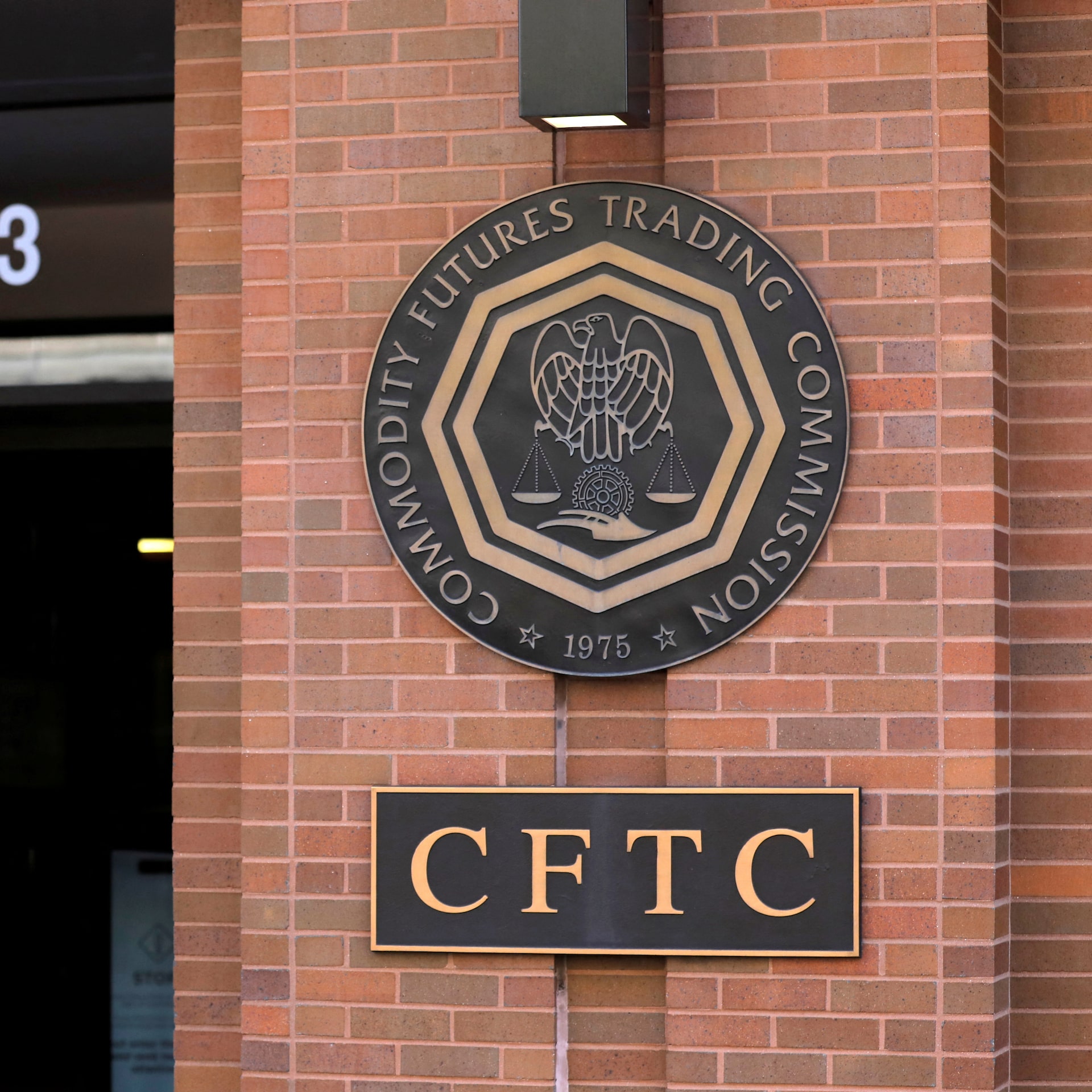
The U.S. Commodity Futures Trading Commission has blocked CME Group's plan to launch round-the-clock crude oil futures trading, calling the move "wholly inappropriate." Nasdaq reported the CFTC issued a stay under its Section 40.2 authority, halting CME's self-certification before regulators finish their review.
CME had filed to list the new contracts on July 8, targeting an August 30 launch. That filing came while a public comment period — opened June 22 — was still ongoing. CFTC Chairman Michael S. Selig said CME should not have moved to list novel contracts without staff analysis in place.
CME's 24/7 Oil Contract Would Have Served Retail Traders
CME's proposed contract covers 10 barrels of WTI crude oil. That makes it one-tenth the size of CME's existing Micro WTI futures. The small size was designed to give retail traders and smaller institutions easier access to oil markets, according to Crypto Briefing.
Right now, CME Globex trades crude oil Sunday through Friday, from 5:00 p.m. to 4:00 p.m. CT, with a 60-minute daily break. The 24/7 proposal would remove the weekend gap entirely. CME also sought to list a related micro-sized gold futures contract alongside the oil product, with the same August 30 start date.
CFTC Says CME Jumped the Gun on a Live Review
The CFTC opened a public comment period on June 22 to weigh whether 24/7 futures trading fits within the Commodity Exchange Act and agency rules. CME filed its self-certification just over two weeks later, on July 8 — before that review was done. Chairman Selig called the timing "wholly inappropriate," according to Crypto Briefing.
The agency used its Section 40.2 authority to stay the listing immediately. It will now run a full review under Section 40.3 before deciding whether the contracts can go forward. Selig stressed the agency's approach is "not one-size-fits-all," signaling different contracts may face different standards.
Oil Contract Faces Scrutiny While Gold Gets a Lighter Look
The CFTC's main worry is about what happens during off-hours trading. Regulators are concerned about volatility and thin liquidity when fewer traders are active — especially in crude oil, a market sensitive to sudden geopolitical shocks, Crypto Briefing noted.
The micro-sized gold futures contract appears to face less resistance from regulators. Gold trades across global time zones more continuously than oil, which may explain the difference in scrutiny. Still, both contracts remain on hold until the CFTC completes its evaluation.
CME Shares Slip as Regulator Signals Tougher Oversight Ahead
CME Group's stock dropped 2.3% after the CFTC's decision, according to GuruFocus. The block puts CME's August 30 launch date in serious doubt. The exchange had hoped to expand access to energy markets amid growing demand from smaller investors.
The standoff reflects a broader tension between exchanges pushing for modernization and regulators demanding more careful review of novel products. Geopolitical risks in oil markets — and ongoing discussions about future trading relations with China — add pressure to get the oversight right, analysts noted.
Sentiment
Mostly NegativeNEGATIVENEUTRALPOSITIVE
Publishers
14
Articles
7
Reach
21
A
AnonymousAuthor


