Frankfurt Reports Six Malaria Cases, Two Deaths
Frankfurt Reports Six Malaria Cases, Two Deaths
Anonymous
Key Points
1
Authorities said the six infected airport employees had neither traveled to tropical countries nor received blood transfusions, circumstances that heightened suspicion of mosquito-borne transmission linked to air travel.
2
The two new patients’ blood samples are to be analyzed by a specialized tropical-disease laboratory in Antwerp to determine whether their infections are connected to the earlier airport cases.
3
Frankfurt’s health department said the hotline established after the cases was receiving roughly five to 10 calls per hour, with residents asking about prevention and protection from mosquito bites.
4
The health authority described airport malaria involving residents near an airport as exceptionally unusual in Germany, saying such a transmission route had been documented only once before in recent decades; the Robert Koch Institute classifies airport malaria as “very rare.”
5
Officials emphasized that malaria is not transmitted directly from person to person; infection generally requires a bite from an infected mosquito.
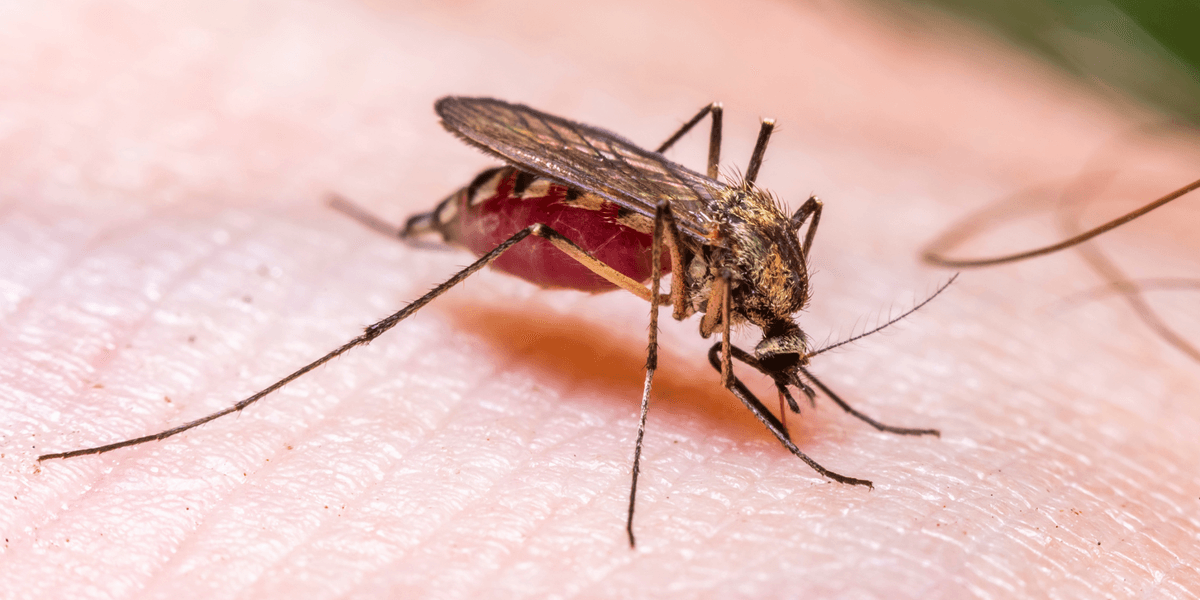
Frankfurt, Germany is battling a rare outbreak of airport malaria, a disease spread by infected mosquitoes transported on planes from tropical regions. Mirror reports that three people have died from the infection, including two airport employees and one resident of nearby Schwanheim neighborhood who had never traveled abroad. Six airport workers fell ill since summer, with authorities now investigating two additional cases among residents living near Frankfurt Airport.
The cases mark an exceptionally unusual outbreak in Germany. GB News notes that a mosquito became trapped on a plane at the airport, likely transmitting the parasite to unsuspecting workers and nearby residents. Health officials have expanded mosquito surveillance and urged people showing fever, chills, headaches, or limb pain to seek immediate medical care.NDTV
How Malaria Traveled on an Aircraft
Airport malaria occurs when infected Anopheles mosquitoes travel inside airplane cargo holds or cabins from malaria-endemic countries. Daily Mail reports the mosquito likely arrived on a flight to Frankfurt Airport. The parasite cannot survive outside a mosquito host, so transmission requires a direct bite from an infected insect. Malaria is never spread person-to-person through casual contact or blood transfusions alone.
The six airport employees who fell ill had neither traveled to tropical countries nor received blood transfusions, making mosquito-borne transmission the leading suspect. UK Head Topics confirms all victims were connected to the airport or surrounding areas. This transmission route is extraordinarily rare in Germany, with only one documented case in recent decades before this outbreak.Mirror
Two New Cases Emerge in Nearby Residential Area
Health authorities are now investigating two malaria cases among residents of Schwanheim, a neighborhood adjacent to Frankfurt Airport. NDTV reports one person has already died from these newer infections. Neither victim worked at the airport or traveled to malaria-affected regions, raising questions about whether mosquitoes have spread beyond airport grounds into surrounding communities.
Blood samples from the two Schwanheim patients will be analyzed by a specialized tropical-disease laboratory in Antwerp, Belgium, to determine if their infections genetically match the earlier airport cases. GB News says connecting these cases would confirm mosquitoes have established a breeding population near the airport. Investigators are working to map all possible exposure locations and close contacts.
Public Health Response and Community Concern
Frankfurt's health department established a hotline after the outbreak began. Mirror reports the hotline receives five to ten calls per hour from anxious residents asking about mosquito bite prevention and disease symptoms. Officials continue to expand surveillance around the airport and have issued public guidance on recognizing malaria's early signs: fever, chills, headaches, limb pain, and stomach problems.
Authorities emphasize that malaria remains very rare and treatable if caught early. Residents, airport workers, and visitors are urged to seek prompt medical attention for unexplained fever or flu-like symptoms. The Robert Koch Institute, Germany's disease control agency, classifies airport malaria as exceptionally uncommon, making this outbreak a significant public health concern and investigation priority.
Sentiment
Mostly NegativeNEGATIVENEUTRALPOSITIVE
Publishers
20
Articles
41
Reach
61
Topics
A
AnonymousAuthor


