MacArthur Fellowship Awards
MacArthur Foundation names twenty fellows and awards eight hundred thousand dollars each.
Anonymous
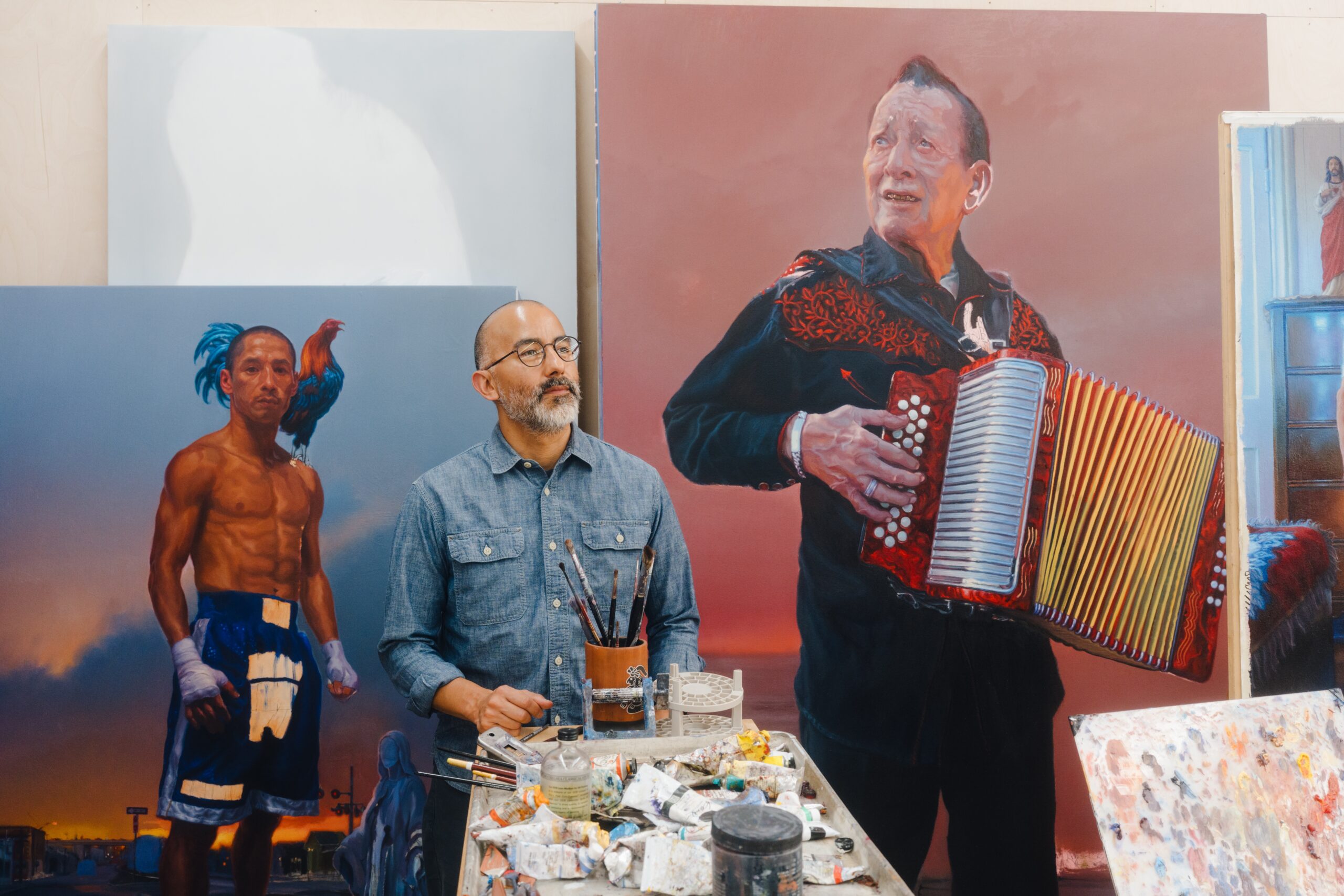
The MacArthur Foundation named 20 people to its 2026 fellowship class, awarding each $800,000 in unrestricted funding over five years. The interdisciplinary group includes artists, scientists and scholars whose work ranges from climate change and sustainable agriculture to memory, migration and justice. Seven Black recipients include musician Immanuel Wilkins, economists Ellora Derenoncourt, artist Rodney McMillian, choreographer Trajal Harrell, novelists Bryan Washington and Maaza Mengiste, and public artist Chip Thomas. Among other fellows are University of Illinois scientist Kaiyu Guan, who uses satellite data and modeling to help farmers assess crops, and Duke cognitive scientist Felipe De Brigard, whose research examines memory and imagination. Texas State forensic anthropologist Kate Spradley was recognized for work identifying and returning the remains of migrants buried in an unmarked cemetery in southern Texas.
Key Points
1
Kaiyu Guan developed an automated system that combines satellite data to produce daily images of 90% of U.S. croplands dating back to 2000, giving farmers information on field greenness, photosynthesis, nitrogen levels and predicted yields.
2
The fellowship selection process takes years and relies on recommendations; fellows do not apply or take part in the process. The award can also bring new opportunities beyond the funding, and recipients often say they are shocked by the selection.
3
Forensic anthropologist Kate Spradley’s effort began after cemetery staff could not locate the grave of one migrant—or more than a hundred other Central American migrants buried there. Spradley said, “We are going to have to exhume this entire cemetery.”
4
The class also includes historian Elizabeth Ellis, whose work challenges colonial accounts by highlighting Indigenous approaches to nationhood and Native Americans’ strategies for resisting European settlement.
Sentiment
Mostly PositiveNEGATIVENEUTRALPOSITIVE
Publishers
7
Articles
84
Reach
91
A
AnonymousAuthor


