Netanyahu Airspace Review
Canada evaluates Netanyahu airspace route amid international criminal court warrant considerations.
Anonymous
Key Points
1
Canadian authorization for a foreign dignitary’s overflight generally includes an obligation to assist the aircraft if it requires an emergency landing, and Ottawa consults air-traffic officials when deciding whether to grant permission.
2
The United States does not recognize the International Criminal Court’s arrest warrant for Netanyahu, a position that contrasts with Canada’s stated commitment to respecting ICC decisions.
3
France’s latest authorization was reportedly the fifth time Netanyahu’s aircraft crossed French territory since the warrant was issued, following flights in February, April and July 2025 and July 2026.
4
Mark Kersten, a University of the Fraser Valley professor specializing in the ICC, said member states have an obligation to arrest people named in ICC warrants when they enter their territory.
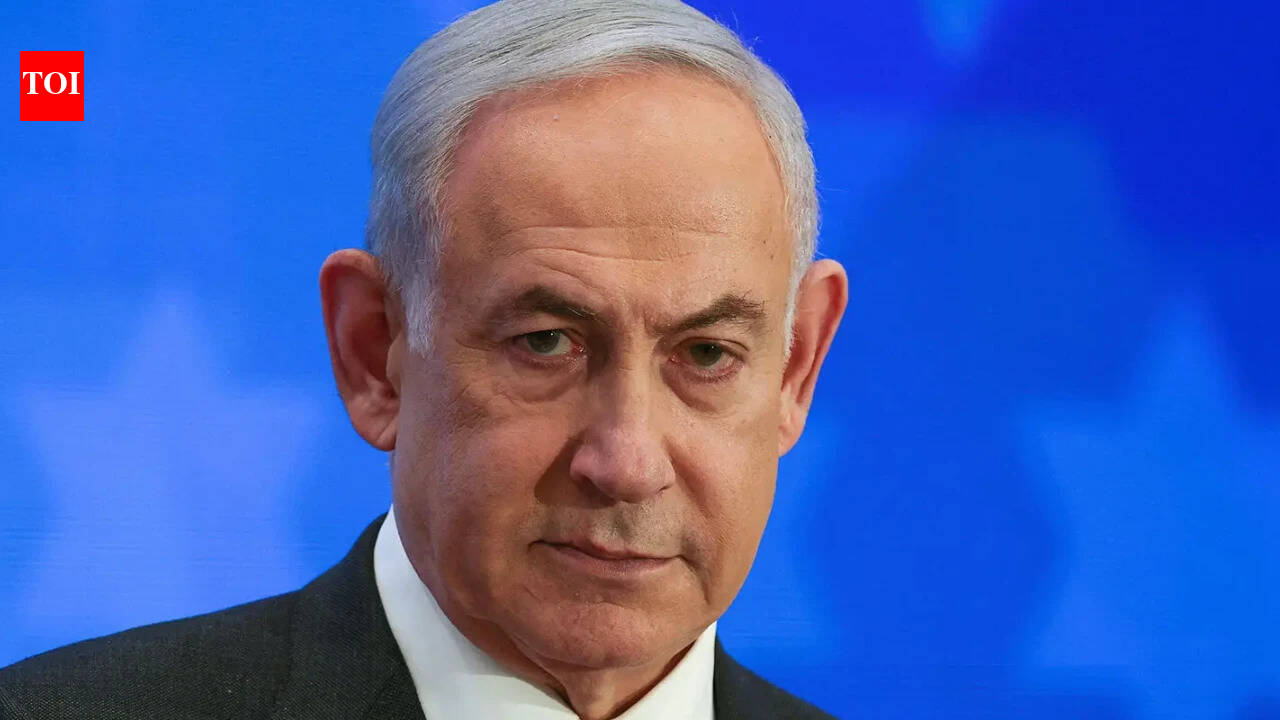
Canada is checking whether Israeli Prime Minister Benjamin Netanyahu's plane will cross its airspace on the way to the United Nations General Assembly in New York. Foreign Affairs Minister Anita Anand made the inquiry after the International Criminal Court issued an arrest warrant for Netanyahu in November 2024 over alleged war crimes in Gaza. Prime Minister Mark Carney has said Netanyahu would be arrested if he entered Canada, putting Ottawa in a difficult diplomatic position.
The situation highlights tensions between Canada's legal obligations as an ICC member and the demands of international diplomacy. France recently allowed Netanyahu's aircraft to cross its airspace, the fifth such overflight since the warrant was issued. The U.S. does not recognize the ICC warrant, creating conflicting positions among key allies on whether Netanyahu should face arrest.
Why Canada Must Make This Decision
Canada requires foreign dignitaries to obtain clearance before flying through its airspace. When a country grants overflight permission, it generally accepts an obligation to assist the aircraft if it needs an emergency landing. Air traffic officials consult on whether to approve such requests, making the Netanyahu case a serious legal test for Ottawa.
Legal experts have criticized Canada for allowing previous Netanyahu flights to pass through despite the warrant. {{Mark Kersten, a University of the Fraser Valley professor]], said member states have an obligation to arrest people named in ICC warrants when they enter their territory. This puts Canada in direct conflict with its own stated legal duties.
France's Overflight Approval Sets a Contrasting Precedent
France has now permitted Netanyahu's aircraft to cross its territory five times since the warrant was issued — in February, April and July 2025, plus July 2026. France defended its decision by arguing that international law does not require action during overflights. The country claimed the Rome Statute, which establishes the ICC, does not create obligations for member states during aircraft crossings.
This French position contradicts the interpretation by legal experts and academics. France said the ICC warrant posed no obstacle to allowing Netanyahu passage. By allowing repeated overflights, France has essentially signaled that enforcement of ICC warrants does not apply to diplomatic air travel, weakening the warrant's authority.
Canada's Diplomatic Balancing Act
Foreign Affairs Minister Anita Anand declined to call Netanyahu a war criminal, despite the ICC warrant. She reiterated Canada's support for addressing alleged crimes against humanity and helping civilians in Gaza, the West Bank and Palestine. The careful wording suggests Ottawa is trying to avoid directly confronting Israel while managing its ICC obligations.
Canada faces pressure from multiple directions. The {{United States does not recognize the ICC warrant]], creating friction with a crucial ally if Ottawa enforces it. Yet failing to do so undermines Canada's credibility as an ICC member state and contradicts Prime Minister Carney's public commitment to arrest Netanyahu if he enters Canada.
Sentiment
Mostly NegativeNEGATIVENEUTRALPOSITIVE
Publishers
16
Articles
104
Reach
120
A
AnonymousAuthor


