US-Iran Ceasefire Crisis
EU Urges Diplomacy Amid Renewed US-Iran Hostilities Threatening Fragile Ceasefire and Global Shipping
Anonymous
Key Points
1
Iran’s Islamic Revolutionary Guard Corps launched a missile and drone operation targeting 85 US military sites, including Salman Port and Ali Al-Salem Air Base in Kuwait/Bahrain, to which the US responded with strikes against more than 80 Iranian targets across the country.
2
Global shipping disruptions intensified as at least four oil and gas tankers altered their routes to avoid the Strait of Hormuz amid renewed US–Iran hostilities.
3
EU foreign ministers plan a high-level diplomatic push, meeting Gulf counterparts next Monday to discuss implementing the ceasefire and preserving freedom of navigation through the Strait of Hormuz and the Red Sea.
4
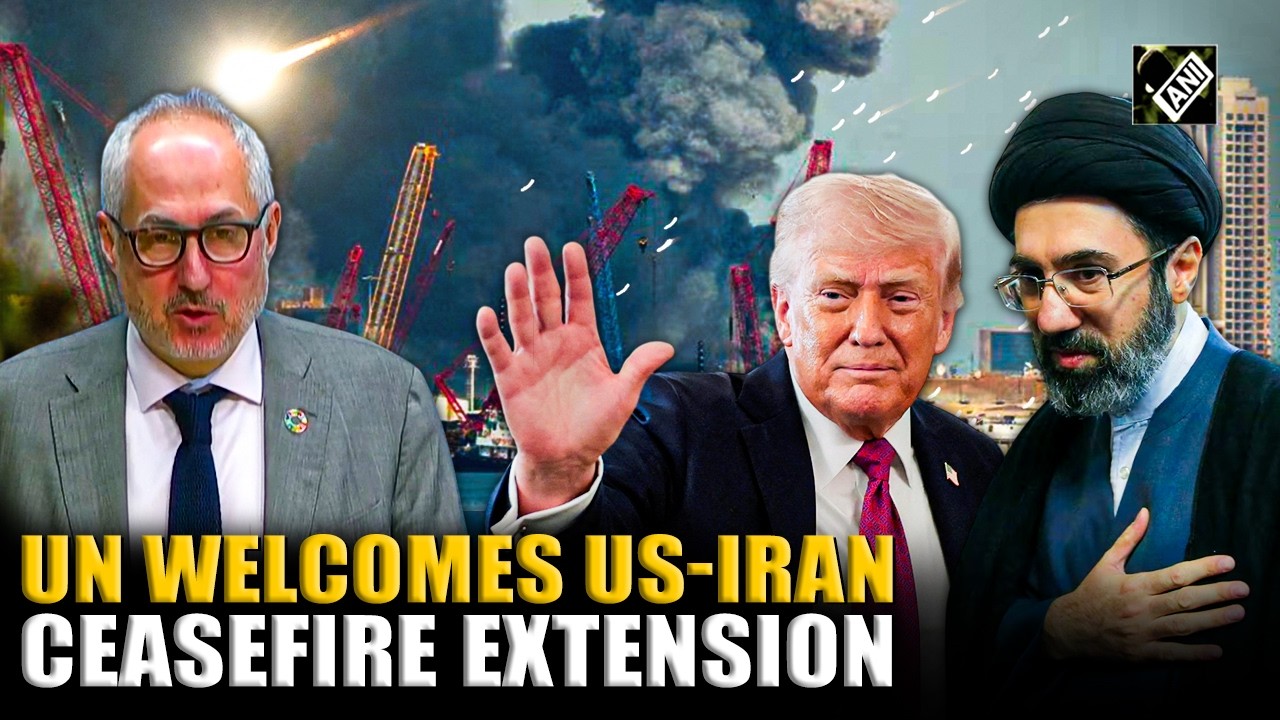
U.S. President Donald Trump asserted at a NATO summit that the ceasefire is effectively over and said he no longer wishes to engage with Iran, describing him and the leadership as 'scum' and 'sick people' in remarks reported by ANI.
5
The International Maritime Organization reiterated calls for maximum restraint and de-escalation as about 6,000 seafarers remain stranded in the Persian Gulf amid ongoing hostilities affecting shipping.
The European Union is urging all sides to keep talking as renewed US–Iran hostilities have pushed a fragile ceasefire to the brink. EU spokesperson Anouar El Anouni said only diplomacy can provide a "sustainable solution" to the crisis, calling on all actors to respect UN Security Council Resolution 2817. TRT World reported that US President Donald Trump declared the ceasefire "effectively over" and said he no longer wants to engage with Iranian leadership.
The collapse comes after Iran's Islamic Revolutionary Guard Corps launched missiles and drones at 85 US military sites, including bases in Kuwait and Bahrain. The US struck back, hitting more than 80 Iranian targets. The violence has rattled global shipping and sent oil prices higher.
Trump Declares Ceasefire Dead, Slams Iran's Leadership
Speaking at a NATO summit, President Trump said the ceasefire is over. He described Iranian leaders as "scum" and "sick people," according to TRT World. Trump added he no longer wishes to negotiate with Tehran. The remarks effectively slammed the door on the interim peace agreement, which analysts had already warned was "almost dead."
DevDiscourse reported that Iran's IRGC triggered the latest escalation by striking US bases across the Gulf. The US responded with strikes on more than 80 sites inside Iran. Analysts now warn the cycle of retaliation risks dragging the wider region into a broader conflict.
EU Pushes Diplomacy While Kallas Warns of Fragile Negotiations
EU foreign policy chief Kaja Kallas said renewed exchanges of fire directly threaten fragile negotiations. She called for unimpeded freedom of navigation and stepped-up maritime security. TRT World reported that EU foreign ministers will meet Gulf counterparts next Monday to discuss ceasefire implementation and protecting key shipping routes, including the Strait of Hormuz and the Red Sea.
EU spokesperson Anouar El Anouni reiterated the bloc's core position. "Only diplomacy can provide a sustainable solution," he said. The EU urged all parties to fully respect the ceasefire and abide by UN Security Council Resolution 2817. Brussels sees next week's ministerial meeting as a critical moment to prevent further escalation.
Nearly 6,000 Seafarers Stranded as Tankers Reroute Around Hormuz
The International Maritime Organization warned that about 6,000 seafarers are stranded in the Persian Gulf. The agency called for "maximum restraint and de-escalation" from all parties. At least four oil and gas tankers have already altered their routes to avoid the Strait of Hormuz, one of the world's most critical shipping chokepoints, according to DevDiscourse.
The disruptions have pushed oil prices higher as markets price in the risk of a prolonged closure. The Strait of Hormuz carries roughly 20% of the world's oil supply. Any sustained blockade would send energy costs sharply higher for Europe, Asia, and beyond. Markets are watching the EU's diplomatic push closely for signs of stability.
Analysts Warn Escalation Could Spiral Into Wider War
With the US–Iran memorandum of understanding described as "almost dead," analysts are sounding alarms. The Eagle reported concerns about the potential for the conflict to widen significantly, with nuclear risk cited as a worst-case scenario. Both sides have now struck dozens of targets, and no formal mechanism for de-escalation appears to be in place.
The EU's bet on diplomacy faces long odds. Trump has publicly ruled out talks. Iran has yet to signal it will stand down. The coming days — and Monday's EU–Gulf ministerial meeting — may determine whether the ceasefire can be revived or whether the region slides deeper into open conflict.
Sentiment
Mostly NegativeNEGATIVENEUTRALPOSITIVE
Publishers
20
Articles
62
Reach
82
Topics
A
AnonymousAuthor


