Amboseli Elephant Mystery
Wildlife Authorities Investigate Deaths of 15 Elephants in Kenya's Amboseli Park
Anonymous
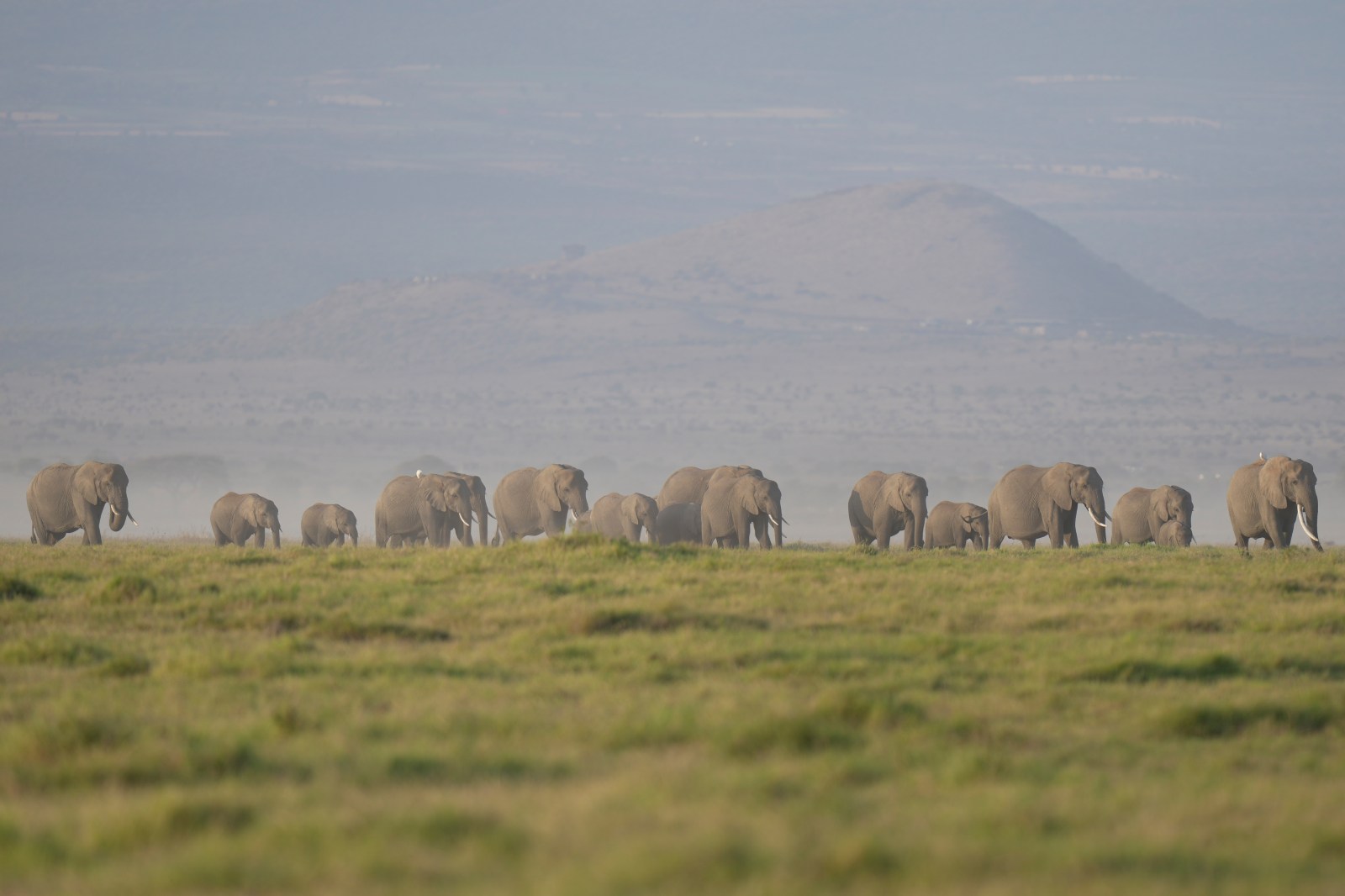
Fifteen elephants have died over the past month in Kenya's Amboseli National Park, prompting an urgent investigation by wildlife authorities, according to Kenya Wildlife Service. Ten of the animals showed signs of partial paralysis before dying within two days, while five others were found dead with their carcasses partially consumed by scavengers.
Most of the dead were female elephants and their calves. Only one male was among the 15 confirmed deaths, News4Jax reported. Authorities say there is no evidence the condition can spread to humans.
Paralysis and Rapid Death Alarmed Park Rangers
The pattern of deaths raised immediate red flags for rangers on the ground. Ten elephants developed partial paralysis — a loss of normal movement in the limbs — before dying within roughly 48 hours. The speed and similarity of the deaths suggested a shared cause rather than unrelated incidents, according to Click Orlando.
The other five elephants showed no such symptoms before death. Their bodies were found partially eaten by scavengers, making it harder for investigators to determine exactly how they died. Wildlife officials are treating all 15 deaths as part of the same investigation.
Toxic Substance Found in Preliminary Tests, But Results Conflict
Early lab results detected a potential toxic substance in samples taken from the elephants, Winnipeg Free Press reported. However, separate tests conducted by Kenya's Government Chemist came back negative. The conflicting results have left investigators without a clear answer on what killed the animals.
Authorities are now running environmental tests to find out if the elephants shared a common exposure — such as a contaminated water source or grazing area. Amboseli is a major wildlife reserve near Mount Kilimanjaro, home to one of Africa's best-studied elephant populations.
Female Elephants and Calves Bear the Brunt of Deaths
The fact that nearly all the dead were females and young calves is significant. Female elephants travel in tight family groups led by older matriarchs. If a shared food or water source was poisoned, an entire family unit could be exposed at once, Oskaloosa News noted.
Only one male was among the dead. Adult male elephants typically roam alone or in small bachelor groups, separate from female herds. That separation may explain why males were largely spared in this outbreak.
Authorities Rule Out Human Transmission Risk
Kenya Wildlife Service moved quickly to address public concern. Officials stated clearly that there is no evidence the condition can be passed from elephants to people. No local communities have reported illness linked to the deaths, according to Yahoo News.
Investigators have not yet named a definitive cause of death. The Kenya Wildlife Service said it will release more findings as lab results and environmental tests come in. Amboseli National Park draws tens of thousands of tourists each year and is a cornerstone of Kenya's wildlife economy.
Sentiment
NeutralNEGATIVENEUTRALPOSITIVE
Publishers
15
Articles
80
Reach
95
A
AnonymousAuthor


