Deadliest Smoke Site
Oregon County Ranked Deadliest Location in America for Wildfire Smoke
Anonymous
Key Points
1
Ash coats cars and furniture in Grants Pass; residents seal interiors with towels and other makeshift measures, with one saying 'You can taste it!' as the air thickens.
2
Smoke years leave a detectable campfire tang in certain wines, a detail locals mention as part of the smoky season's impact on locally produced bottles.
3
'Like a humidifier,' a parent uses a bathroom's steam to help soothe a toddler's lungs during thick smoke.
4
The Grants Pass area sign is described as a 'flex' on the street arch—a cultural detail that sits alongside the shift in climate and smoke realities.
5
NOAA's plume updates describe a complex, multi-layer smoke regime from Pacific Northwest fires: heavy-density plumes over the Northwest, a broad layer of light-density smoke across CONUS, and a separate band of moderate-density smoke over the Lower Mississippi Valley, with cross-border transport into Canada and further east toward Hudson Bay and the Midwest.
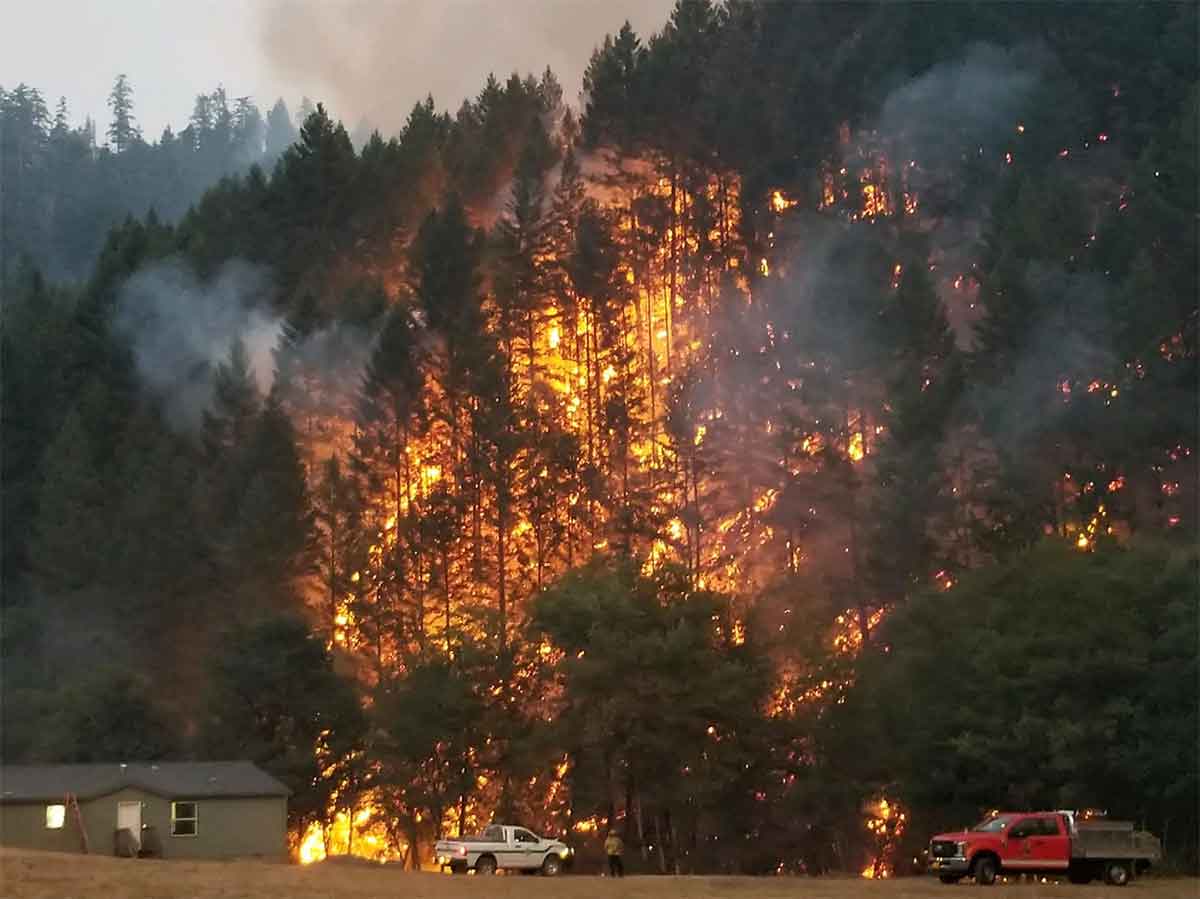
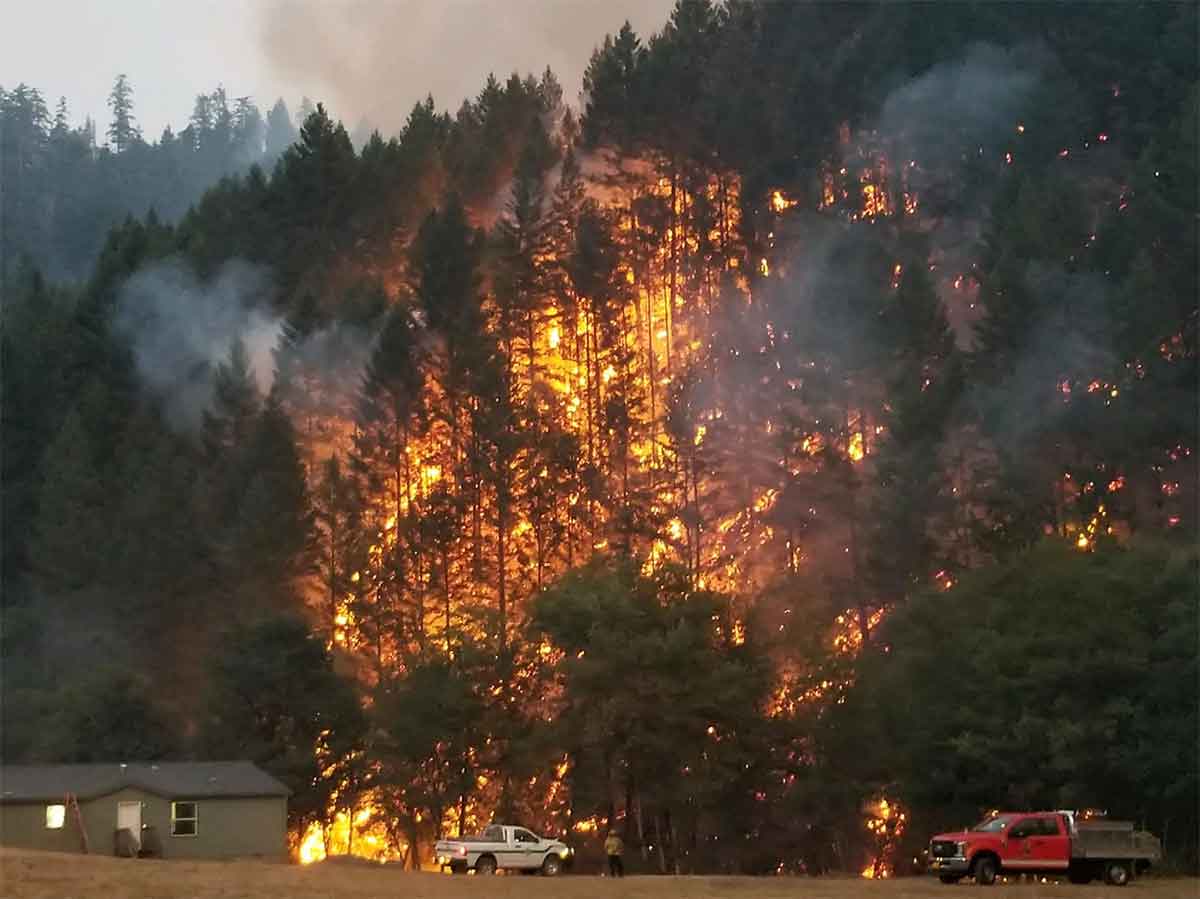
Josephine County in southwestern Oregon is the deadliest place in the US for wildfire smoke deaths, tied with Trinity County, California. The Guardian reports a 2025 Nature study found an estimated 17 premature deaths per 100,000 people in Josephine County between 2006 and 2020. Residents in Grants Pass describe ash coating cars and homes, with smoke seeping into daily life and forcing them to seal windows and doors.
The smoke problem extends far beyond southwestern Oregon. NOAA tracking data shows smoke plumes from Pacific Northwest wildfires spreading across Canada, the Midwest, and toward the Atlantic. A complex multi-layer smoke regime blankets the region — heavy-density plumes over the Northwest, light-density smoke across much of the country, and moderate-density bands over the Lower Mississippi Valley.
Ash and Smoke Transform Daily Life
In Grants Pass, wildfire smoke has become inescapable. Residents report ash coating vehicles, furniture, and home surfaces during heavy smoke years. One parent described using a bathroom's steam like a humidifier to help soothe a toddler's lungs during thick smoke days. Another resident said, "You can taste the ash!" as the air thickens around them.
The impacts ripple into unexpected places. Local wine producers report that smoky years leave a detectable campfire tang in their bottles. Residents seal interiors with towels and other makeshift measures, treating their homes like refuges from an increasingly smoky environment. What was once seasonal smoke now shapes how communities live, work, and even eat.
Climate-Driven Wildfires Intensify Health Risks
The 2025 Nature study reveals smoke's hidden death toll. Between 2006 and 2020, Josephine County's 17 premature deaths per 100,000 people matched Trinity County, California's rate — the highest in the nation. The Guardian notes these deaths stem from respiratory and cardiovascular diseases triggered by prolonged smoke exposure. Climate change is intensifying wildfire seasons across the West, making smoke exposure worse and longer-lasting.
The problem extends across the entire region. Southwestern Oregon sits on forested landscapes vulnerable to increasing fire activity. Communities dependent on these natural areas now face mounting health risks from poor air quality. Children, elderly residents, and people with existing lung conditions face the greatest danger during heavy smoke events.
Smoke Plumes Spread Across North America
Wildfires in the Pacific Northwest and Canada's Northwest Territories are producing smoke that travels thousands of miles. NOAA tracking shows localized heavy-density plumes over the Northwest spreading into a broad layer of light-density smoke across the continental United States. The smoke also crosses into Canada and stretches eastward toward Hudson Bay and the Midwest.
The smoke distribution follows a complex pattern. Heavy-density plumes sit closest to fire sources in the Northwest. Moderate-density smoke bands settle over the Lower Mississippi Valley. This multi-layer regime means air quality impacts affect millions of people across multiple states and countries simultaneously. Cross-border smoke transport shows how regional wildfires create national and continental air-quality challenges.
Sentiment
Mostly NegativeNEGATIVENEUTRALPOSITIVE
Publishers
42
Articles
35
Reach
77
Topics
A
AnonymousAuthor