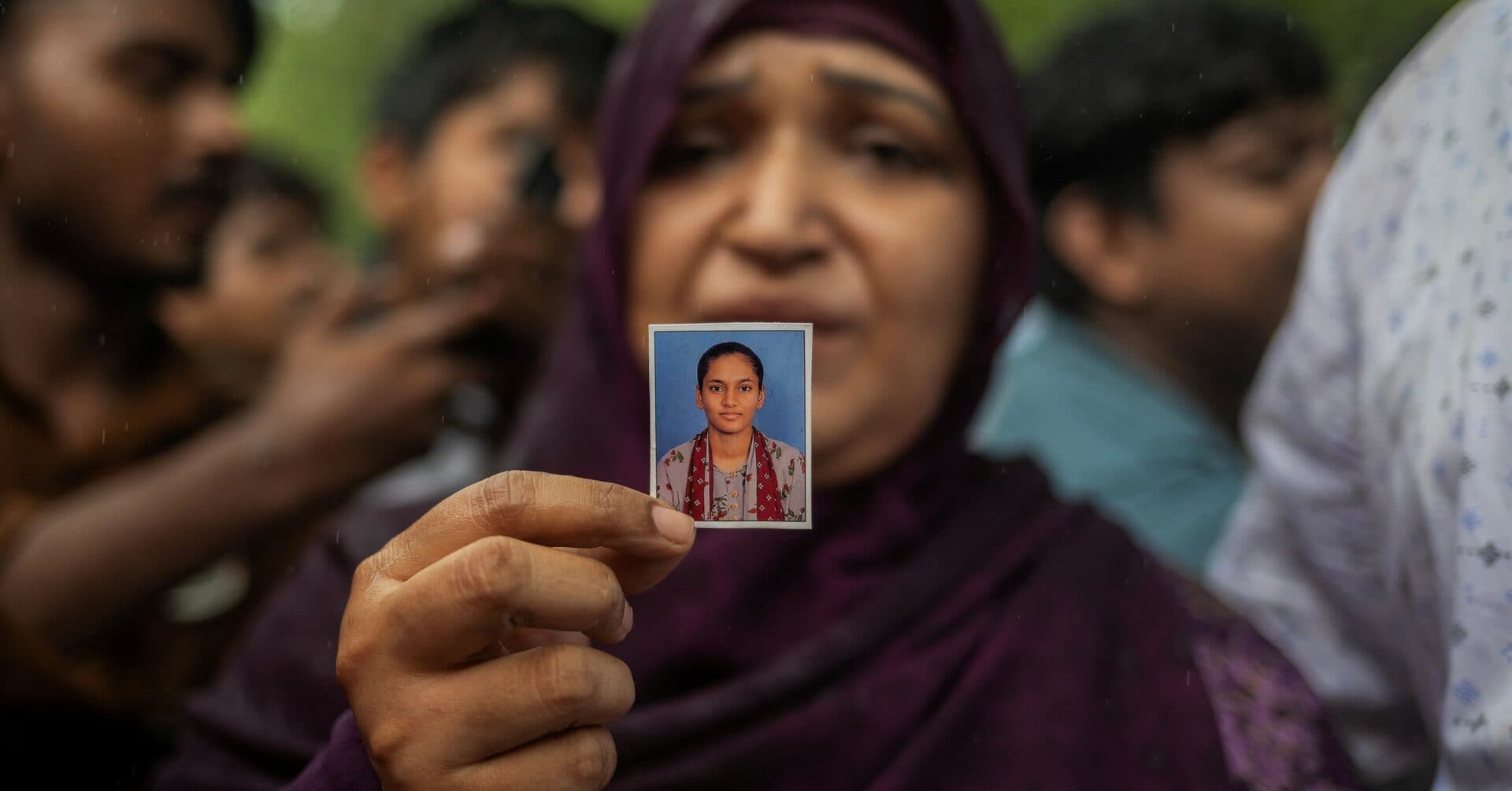
IIT Bombay Student Death Protests
IIT Bombay student death sparks campus protests and debate over caste discrimination.
Anonymous
Key Points
1
Investigators said CCTV footage showed Wakode being led away from the examination hall after he was allegedly caught copying, then walking alone across campus to his hostel room; the footage showed no one seeing him leave the room afterward.
2
Wakode’s mother, Sonali Wakode, said she had “full faith” in the Mumbai Crime Branch and urged investigators to examine the allegations in the FIR “fairly, thoroughly” and take action against those responsible.
3
IIT Bombay Faculty Forum president Rajkumar Pant said Wakode had not recently approached the institute’s SC/ST cell with a complaint, a detail cited by faculty representatives in disputing claims that the institute had been alerted to caste-based harassment.
4
Pant clarified that Doolla was not suspended and remains an IIT Bombay faculty member; he was only relieved of his administrative responsibilities while the inquiry proceeds. Pant said Doolla had been “vilified for no reason” and that there was “absolutely no proof” or confirmation that he made caste-related remarks.
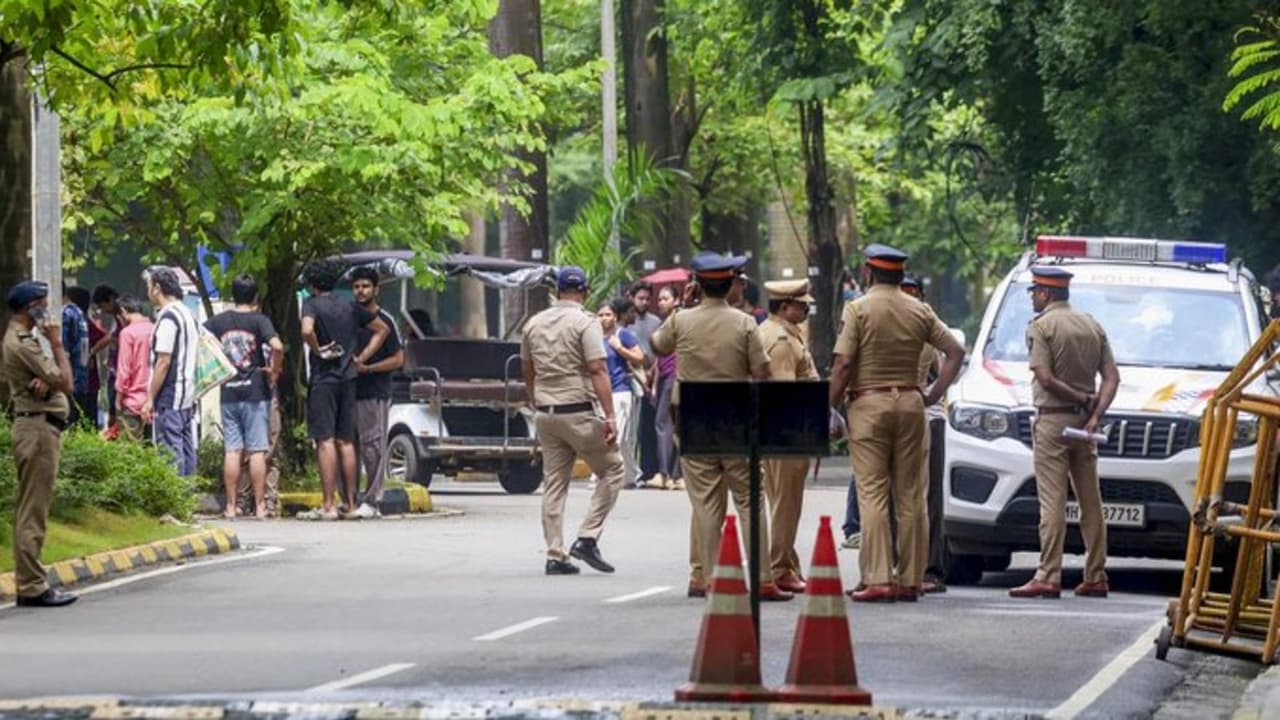
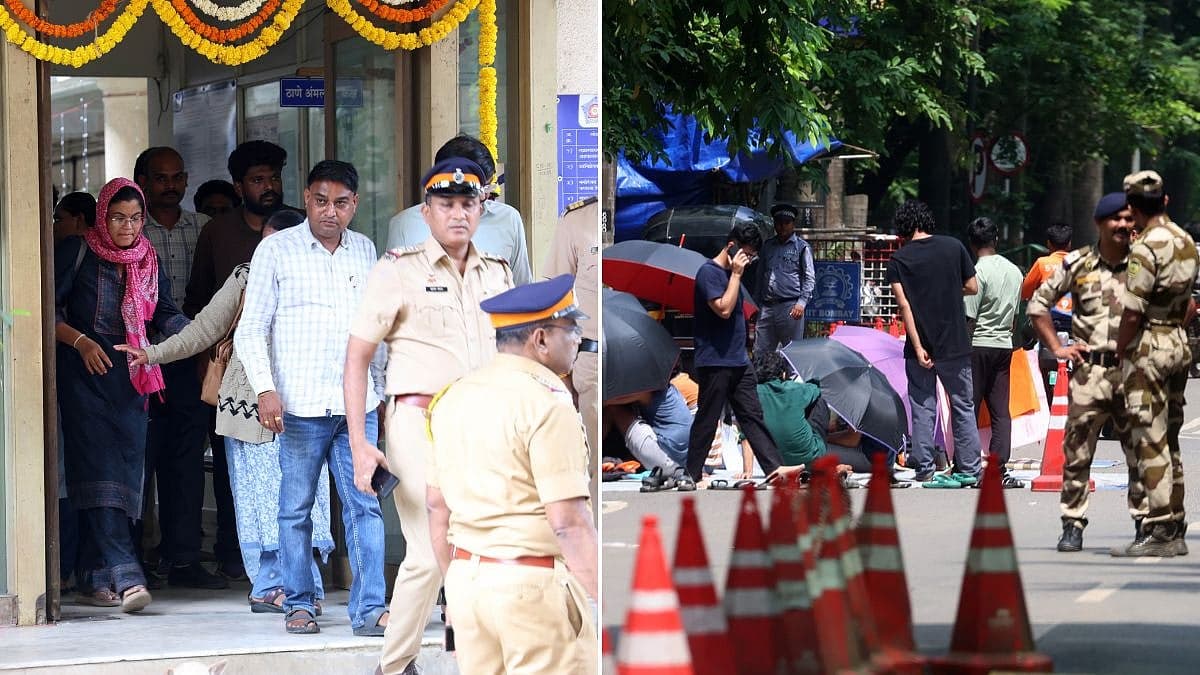
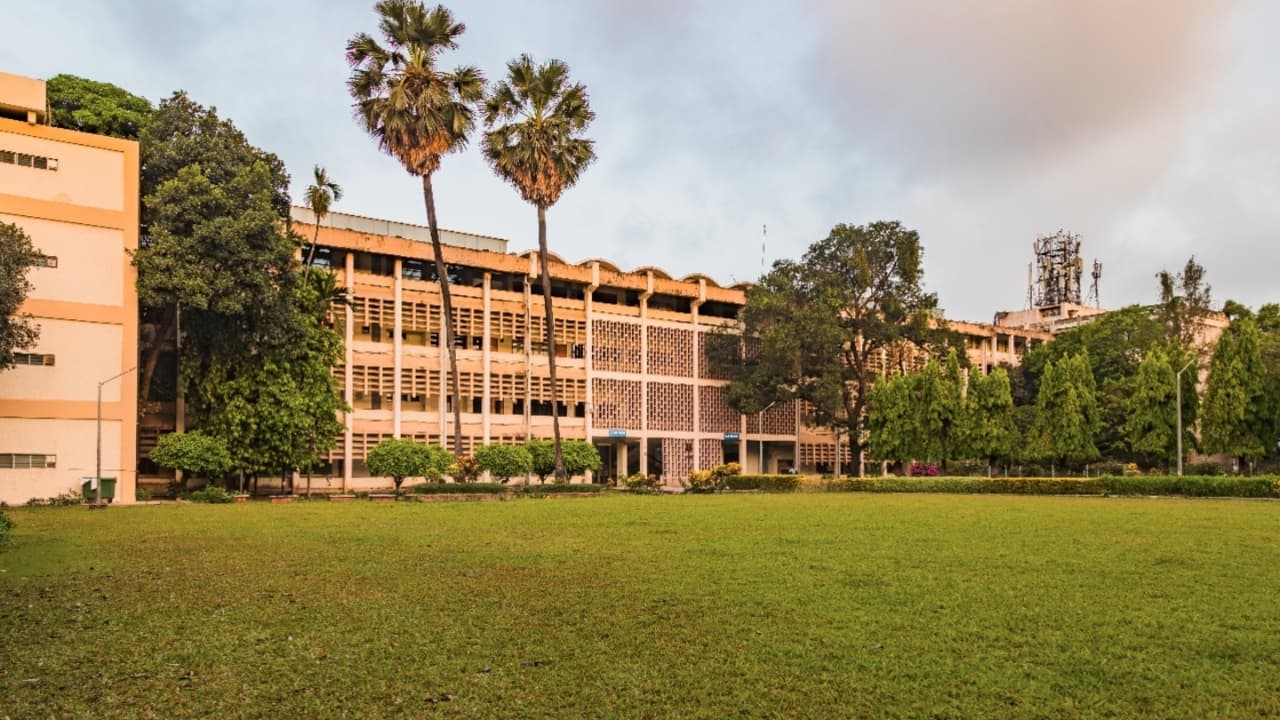
The death of 22-year-old Sahil Wakode, an IIT Bombay student found hanging in his hostel room on September 18, has ignited fierce protests and a caste discrimination debate across India's elite engineering campus. News18 reported that Wakode was caught allegedly using his phone to access ChatGPT during an exam, then confronted by a professor. His parents claim he faced relentless caste-based abuse and harassment. The investigation, now led by the Mumbai Crime Branch, includes charges of abetment of suicide and violations of the Scheduled Castes and Scheduled Tribes (Prevention of Atrocities) Act.
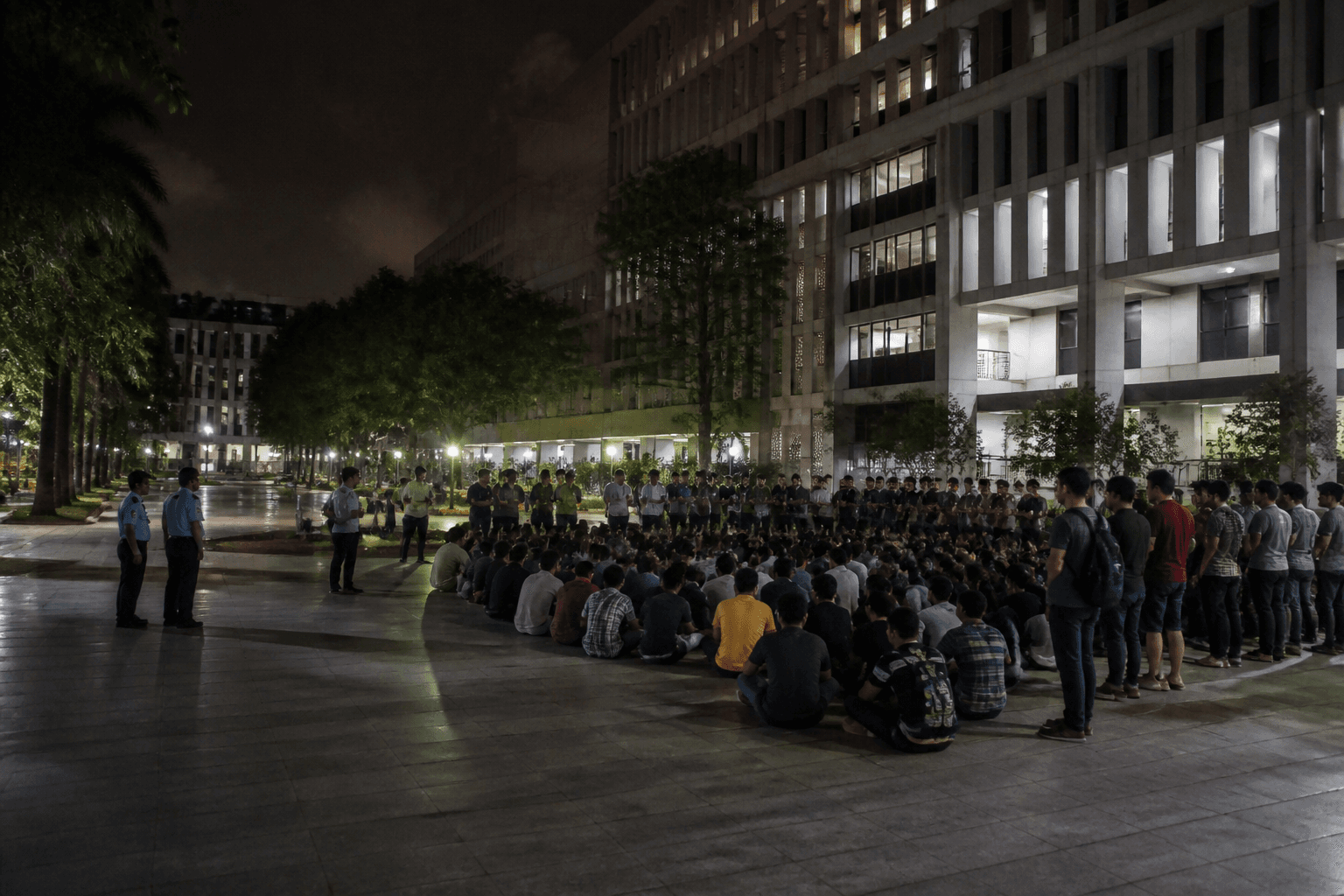
The tragedy has split IIT Bombay into two camps. Students demand accountability, transparency, and stronger mental-health support. Faculty representatives and some administrators defend the exam-cheating enforcement and deny evidence of casteism. Maharashtra Minister Pratap Sarnaik warned against "politicising" the caste issue, while Professor Suryanarayana Doolla—named in the case—was temporarily relieved of his dean duties but remains a faculty member.
CCTV Footage Shows Wakode Alone After Confrontation
Video evidence tells a narrow story: Wakode was led out of the exam hall by a professor after the alleged cheating incident. He then walked alone across campus to his Powai hostel room. No footage captured anyone seeing him leave the room afterward. News18 noted that investigators reviewed the CCTV timeline carefully, finding no witnesses to his final moments. This detail matters because it leaves open questions about what prompted his death.
Parents Allege Systemic Caste Harassment Before Exam Day
Sahil Wakode's mother, Sonali Wakode, told investigators she had "full faith" in the Mumbai Crime Branch and urged them to examine allegations "fairly, thoroughly" and act against those responsible. She raised a critical question: "Why is it that Dalit students are the ones committing suicide?" Her allegation centers on months of alleged verbal abuse and targeting. However, Professor Rajkumar Pant of the IIT Bombay Faculty Forum stated that Wakode had not filed a formal complaint with the campus SC/ST (Scheduled Caste/Scheduled Tribe) support cell in the prior three to four months—a fact faculty used to dispute claims the institute had been alerted to harassment.
Faculty Defends Academic Rules, Disputes Caste Allegations
Professor Rajkumar Pant said there was "absolutely no proof" that Professor Doolla made caste-related remarks. He emphasized that Doolla was "vilified for no reason" while doing routine exam supervision. News18 reported that faculty representatives acknowledged exam-cheating enforcement is standard practice and should not be conflated with discrimination. They also clarified that Doolla was not suspended—only relieved of administrative duties pending inquiry—and remains an active IIT Bombay faculty member.
Students Demand Institutional Reforms, Mental-Health Support
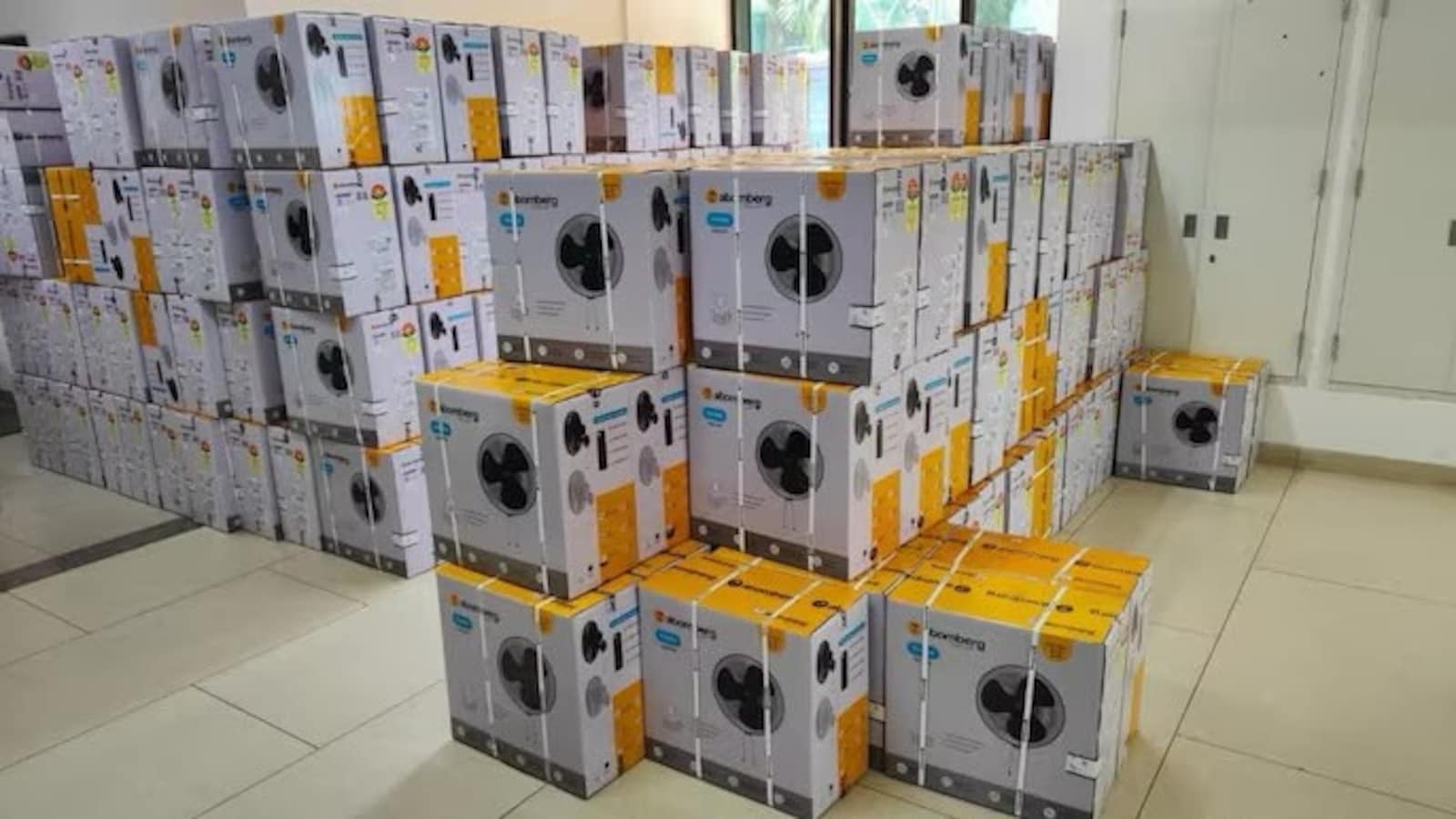
Protesting students submitted an 18-point charter demanding independent inquiries, stronger grievance mechanisms, expanded mental-health services, and institutional transparency. They were clear: their protests did not defend cheating or presume Doolla guilty. Instead, they demanded accountability and systemic change. IIT Bombay acknowledged the demands and held an open meeting with students. The administration also began structural reforms, including replacing ceiling fans with wall-mounted units in hostels as a suicide-prevention measure.
Sentiment
Mostly NegativeNEGATIVENEUTRALPOSITIVE
Publishers
41
Articles
16
Reach
57
Topics
A
AnonymousAuthor