Sydney Mistaken-Identity Murder
Sydney Teen Charged With Murder Following Mistaken-Identity Shooting Linked to Gang Feud
Anonymous
Key Points
1
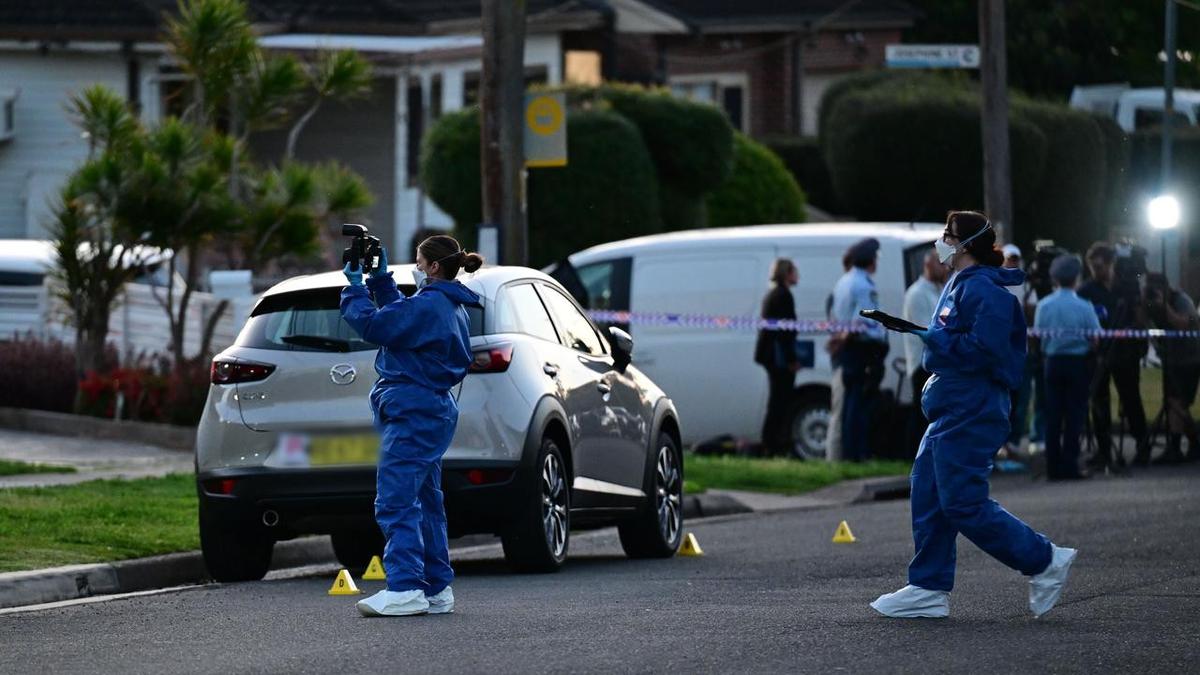
Police allege Joshua Macdonald was shot at about 3:15 p.m. while walking to a home on Bruce Street in Merrylands West; he was an electrician and died at the scene.
2
Police sources told the ABC that the alleged intended target was a member of the Alameddine crime family. Senior Alameddine figures are believed to remain in Lebanon, while investigators link the recent violence to a feud with the overseas-based “Coconut Cartel.”
3
Macdonald’s aunt Darlene Norton said he leapt in front of his friend Nick Brown and Brown’s two young daughters, describing him as someone who would put himself in danger to protect others. Brown called Macdonald his children’s and his own “guardian angel.”
4
The shooting followed the fatal attack on 23-year-old university student Marco Talia at a home in Glen Alpine, where attackers allegedly forced their way inside; the two killings occurred within roughly two days and were treated by detectives as suspected mistaken-identity attacks.
5
According to police, Macdonald’s death was the seventh mistaken-identity fatality linked to the underworld conflict over the previous 18 months, increasing pressure on the New South Wales government to expand its anti-gangland powers.
An 18-year-old Sydney teenager has been charged with murder for allegedly operating a drone during the fatal shooting of 40-year-old Joshua Macdonald in Merrylands West on September 2. The Guardian reports that police seized a drone from the suspect containing forensic evidence linking him to the killing. The shooting is being investigated as a mistaken-identity attack in a violent underworld conflict tied to feuding crime gangs, with Macdonald caught in crossfire meant for someone else.
Macdonald, an electrician with no known organized crime connections, was shot while walking to a home on Bruce Street at around 3:15 p.m. Perth Now reports he died at the scene. A 19-year-old arrested in the same operation was charged with criminal-group offenses and driving with a suspended license. Police allege the shooting was the seventh mistaken-identity fatality tied to gang conflict in the past 18 months, intensifying pressure on authorities to combat organized crime.
A Victim Caught in Gang Cross Fire
Joshua Macdonald was shot outside a home on Bruce Street while his friend Nick Brown and Brown's two young daughters were nearby. The Guardian reports that investigators believe the intended target was a member of the Alameddine crime family, suggesting Macdonald was killed by mistake. Macdonald's aunt Darlene Norton told media her nephew jumped in front of Brown and the children, describing him as someone willing to risk his own life to protect others.
Brown called Macdonald his family's "guardian angel" in the aftermath of the tragedy. Macdonald worked as an electrician and had no ties to underworld activities, making his death a stark example of innocent bystanders caught in criminal violence. His killing occurred just two days before another suspected mistaken-identity murder—that of 23-year-old university student Marco Talia at a home in Glen Alpine.
Drone Evidence Links Teenager to Murder Charge
Police allege the 18-year-old suspect operated a surveillance drone as part of the shooting operation. The Guardian reports that forensic evidence recovered from a drone seized during his arrest directly linked him to the killing. The teenager now faces murder and criminal-group participation charges, indicating he played a coordinated role in what detectives describe as an organized gang attack rather than a spontaneous act.
The 19-year-old arrested alongside him was charged with criminal-group offenses and driving with a suspended license. That suspect was granted conditional bail and is due back in court later this month. The use of drone technology in the alleged attack highlights how Sydney's gang networks are becoming more sophisticated in planning and executing violence.
Seven Deaths in 18 Months Tied to Gang Feud
Macdonald's death represents the seventh mistaken-identity fatality linked to underworld conflict over the past 18 months, according to police. Maitland Mercury reports the violence stems from a feud between crime families, with senior members of the Alameddine organization believed to remain in Lebanon while conflict escalates in Sydney. Police link the recent attacks to rivalry with an overseas-based gang known as the "Coconut Cartel."
The rapid succession of suspected gang killings—including Macdonald and Talia within two days—has prompted urgent criticism of how authorities are handling organized crime. New South Wales officials are facing calls to expand anti-gangland enforcement powers to stop the cycle of violence. The investigation into both shootings suggests sophisticated coordination among gang members, raising questions about police capacity to prevent future attacks.
Sentiment
Mostly NegativeNEGATIVENEUTRALPOSITIVE
Publishers
16
Articles
47
Reach
63
A
AnonymousAuthor


