Record National Budget
South Korea unveils record 820.9 trillion won budget to boost economic growth
Anonymous
Key Points
1
The 2027 budget projects total income of 880.8 trillion won, up 30.4% from this year's budget, driven by a surge in non-tax revenue and by increases in national tax and social security fund income—bolstered by corporate and income tax gains.
2
A landmark project is included to discover and support new growth engines, diversify industrial structures, and secure financial stability, alongside the broader push to diversify growth engines.
3
The 2027 budget is to be submitted to the National Assembly on the 3rd, as the package moves toward parliamentary review.
4
The 2027 budget is the largest ever, following the previous record in 2026 of about 728 trillion won, with 820.9 trillion won allocated for 2027.
5
Budget officials framed the plan as a strategic move to boldly expand the growth pie by investing precious tax revenues—specifically noting the impact of a semiconductor boom on fiscal capacity.
South Korea unveiled a record 820.9 trillion won budget for 2027, marking a 12.8% jump from 2026 and the country's largest spending plan ever Economic Times. The government projects 880.8 trillion won in total revenue, driven by a surge in corporate and income tax gains, and plans to channel excess tax revenue into a new 162.3 trillion-won Future Fund focused on growth-oriented investments Seoul Economic Daily.
Record Spending to Fuel AI and Technology Edge
The 2027 budget reflects South Korea's push to strengthen its technological dominance, particularly in artificial intelligence Economic Times. The massive spending increase—from 728 trillion won in 2026—signals an aggressive pivot toward next-generation industries. Officials cited gains from a semiconductor boom as a key driver of expanded fiscal capacity, allowing the government to invest in emerging tech without raising taxes.
Social Safety Net Gets Largest Allocation on Record
Health, welfare, and employment programs received 289 trillion won—the biggest share ever allocated to these categories Seoul Economic Daily. This investment reflects the government's commitment to supporting vulnerable groups amid rising interest rates. The focus balances growth initiatives with robust social spending, ensuring economic expansion doesn't leave lower-income households behind.
New Funds Target Diversification and Financial Stability
Beyond the main budget, South Korea established a 'future response fund' alongside the flagship 162.3 trillion-won Future Fund Seoul Economic Daily. These vehicles are designed to identify and support new growth engines, diversify industrial structures, and maintain financial resilience. The dual-fund approach allows policymakers to experiment with emerging sectors while protecting the broader economy from shocks.
Parliamentary Review Begins After Assembly Submission
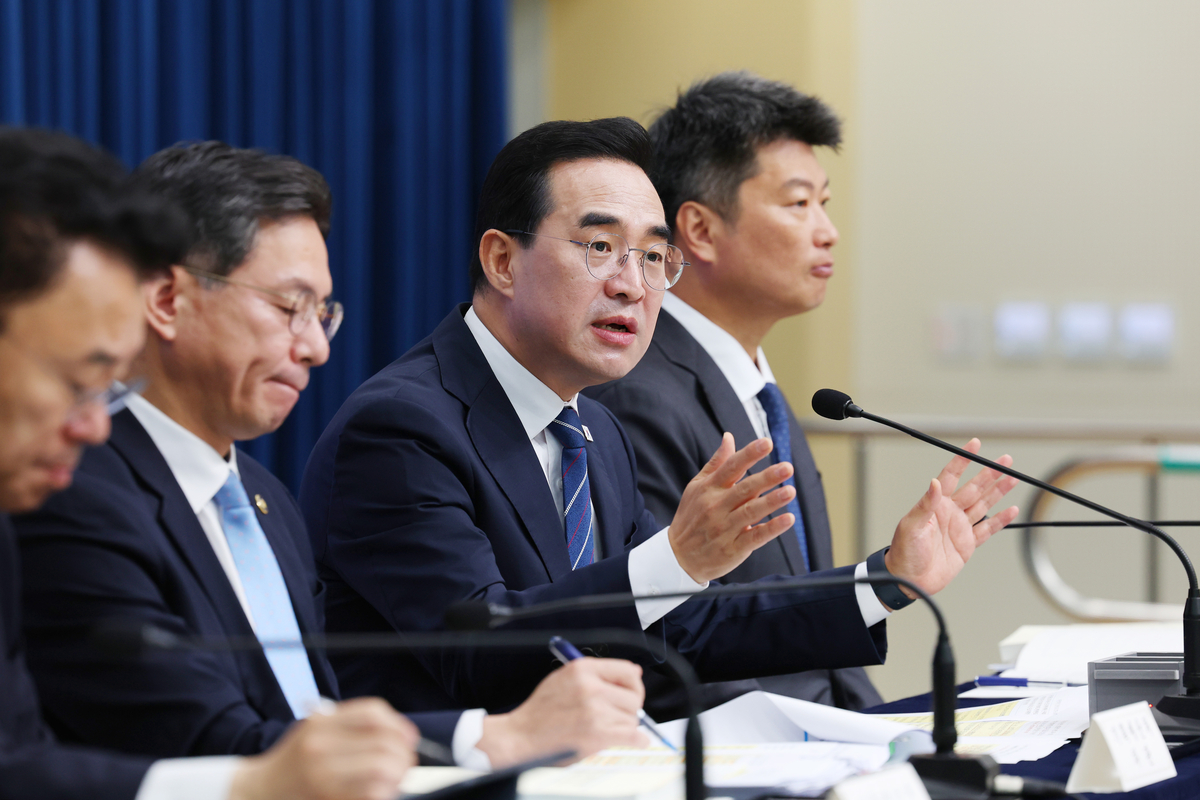
The budget is scheduled for submission to the National Assembly for review and approval Seoul Economic Daily. President Lee Jae Myung oversaw the cabinet meeting where Budget Minister Park Hong-geun presented the plan. Officials expect parliamentary debate to focus on how tax windfalls are deployed and whether welfare allocations adequately protect lower-income citizens during economic transitions.
Sentiment
Mostly PositiveNEGATIVENEUTRALPOSITIVE
Publishers
29
Articles
23
Reach
52
A
AnonymousAuthor