F1 Software Glitch
Software Glitch Stalls F1 Cars and Delays Bahrain Grand Prix Start
Anonymous
Key Points
1
The FIA rapidly prepared a patch for all 11 teams to install during the stoppage; it lifted the wet-weather power reduction in the affected zones.
2
Oscar Piastri said he was stuck for about a second and called the episode “not a great look,” while warning it would be unfair to blame anyone before the cause was explained. Sergio Perez likened the experience to “a rental kart” running out of time.
3
After the cars became separated during the formation lap, officials debated the starting order for about an hour and set aside the rule that cars should start in the order they entered the pit lane behind the safety car—a decision that benefited Lewis Hamilton, who had fallen toward the back.
4
Red Bull told Max Verstappen to keep his engine revs up through corners to prevent the power unit from entering low-power mode; he recovered, but Lewis Hamilton’s Ferrari then stopped across the start-finish line.
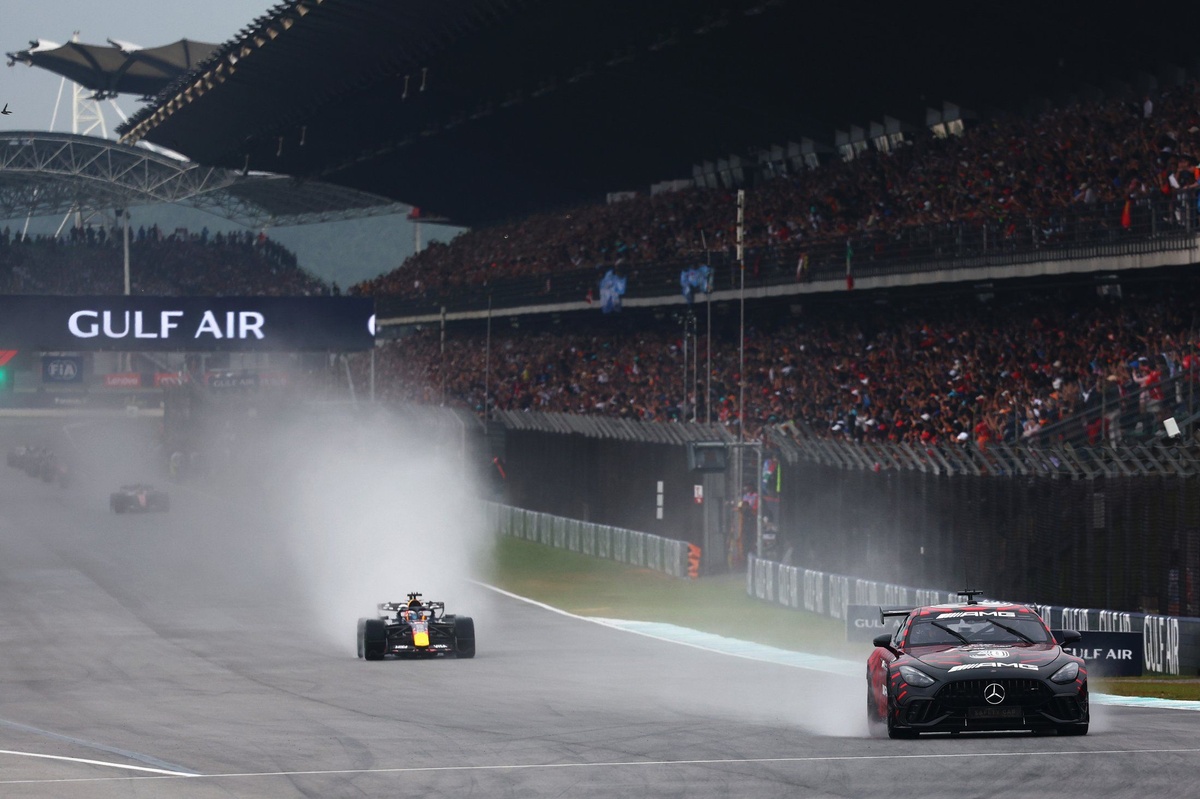
A software fault in Formula 1's new 2026 hybrid power units forced race officials to halt the Bahrain Grand Prix start on Sunday, leaving cars unable to accelerate during wet-weather formation laps. Pitpass reported that the glitch delayed the race start by nearly an hour as the FIA scrambled to deploy a software patch to all 11 teams and reset the starting procedure.
The malfunction triggered widespread criticism from drivers and raised fresh concerns about the cars' heavy reliance on electronics. Yahoo Sports noted that the issue stemmed from limited wet-weather testing of the new generation cars, leaving the software untested in rain conditions that ultimately triggered the low-speed power reduction failure.
Power Unit Failure Freezes Multiple Cars
Several drivers found their cars suddenly losing power during the formation lap. Oscar Piastri was stuck in a power reduction zone for about a second and called the episode "not a great look," though he cautioned against blame without full investigation. Motorsport.com quoted Sergio Perez comparing the sensation to "a rental kart" running out of fuel mid-corner.
The FIA's solution came quickly: a software update was sent to all teams during the stoppage to lift the wet-weather power reduction in the affected zones. AOL explained that the fault emerged because the 2026 cars had not undergone enough wet-weather running to properly validate the new software before their race debut in the rain.
Starting Order Chaos Forces Rule Changes
After cars became separated during the failed formation lap, FIA officials debated the correct starting grid for roughly an hour. Officials suspended the standard rule requiring cars to start in the order they lined up behind the safety car. The decision notably benefited Lewis Hamilton, who had fallen toward the back of the order before the revised lineup took effect.
Hamilton's Ferrari then stopped directly across the start-finish line as the revised start procedure began. Red Bull instructed Max Verstappen to maintain high engine revs through corners to prevent his power unit from entering low-power mode—a workaround that worked initially before the next complication emerged.
FIA Vows Review But Cannot Guarantee Prevention
The FIA apologized for the delay and promised a full review of the circumstances. AOL reported the stoppage lasted approximately 90 minutes total, adding pressure and uncertainty to an already wet, difficult opening lap. Race officials faced criticism for inadequate testing before deploying a brand-new power unit generation in severe weather.
FIA Single-Seater Director Nikolas Tombazis stated that Yahoo Sports reported the specific software issue should not recur, but acknowledged the impossibility of guaranteeing other faults won't emerge. The episode underscored the risks of introducing untested electronics in wet conditions—a lesson teams will carry into the remainder of the 2026 season.
Sentiment
Mostly NegativeNEGATIVENEUTRALPOSITIVE
Publishers
23
Articles
18
Reach
41
Topics
A
AnonymousAuthor


