Arizona Energy Debate
Arizona Corporation Commission Candidates Clash Over Energy Policy and Grid Reliability
Anonymous
Key Points
1
Kevin Thompson cited a Phoenix-area dust storm that he said caused Arizona Public Service and Salt River Project to lose more than 2,000 megawatts of solar power during peak demand, requiring natural-gas “peakers” to keep the grid operating.
2
The article identified Thompson as the lone incumbent seeking reelection to the Arizona Corporation Commission, which has two open seats in the election.
3
Pratte, co-founder of Navajo Power, a company that works with tribes to develop renewable-energy projects, said she supports an “all-of-the-above” energy strategy but wants Arizona to emphasize renewables rather than depend on imported power.
4
Beyond utility regulation, the Arizona Corporation Commission also oversees business registrations in the state, while its major direct effect on consumers comes through utility regulation and approval of rate increases.
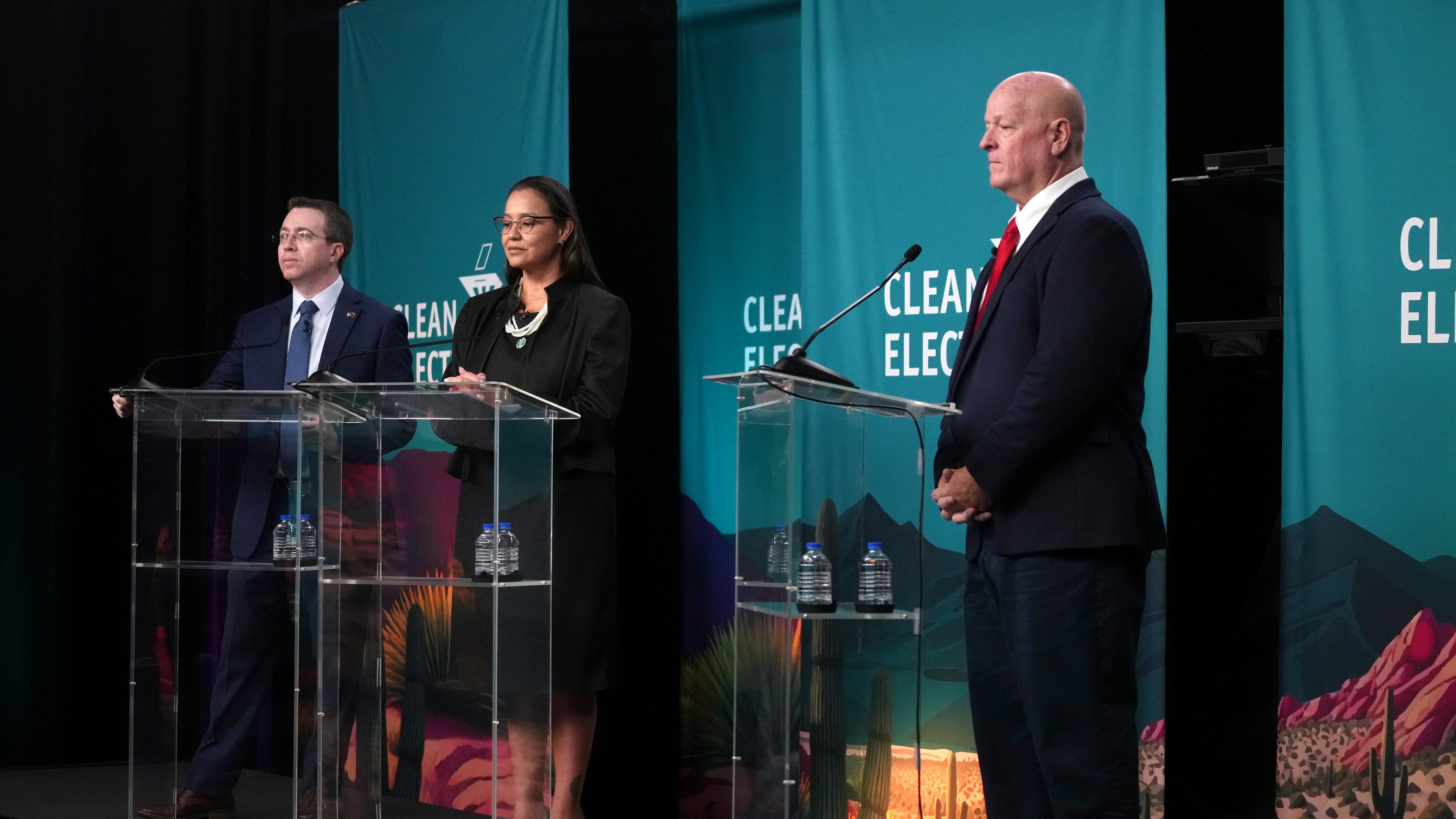
Arizona Corporation Commission candidates clashed over energy policy in a debate ahead of the November election, with Republicans defending natural gas and Democrats pushing for cheaper renewables. KGUN9 reported that Kevin Thompson, the lone incumbent seeking reelection, cited a Phoenix-area dust storm that knocked out over 2,000 megawatts of solar power during peak demand, arguing natural-gas plants are essential for grid reliability.
Democrat Clara Pratte countered that solar is now the least expensive energy source and urged the commission to prioritize renewables while maintaining energy diversity. Fox 10 Phoenix noted the commission oversees utility regulation and rate approvals, directly affecting consumer bills amid rising costs and temperatures that have become central to the Democratic campaign.
Thompson Defends Natural Gas as Grid Backstop
Thompson pointed to real-world grid stress to justify his stance. During a recent dust storm, Arizona Public Service and Salt River Project lost more than 2,000 megawatts of solar capacity when the grid needed it most. Fox 10 Phoenix reported Thompson argued this gap proves solar cannot reliably power Arizona without massive battery storage, making natural-gas "peaker" plants necessary for stability.
Thompson also defended recent commission decisions to reduce renewable-energy incentives and efficiency rebates. He suggested these cuts reflect the reality that solar technology, while improving, still cannot anchor a stable grid alone during peak demand hours.
Pratte Pushes Renewables While Maintaining a Balanced Mix
Pratte rejected the notion that Arizona must choose between renewables and reliability. Fox 10 Phoenix reported she supports an "all-of-the-above" energy strategy but wants Arizona to lead with solar and wind rather than import expensive power from neighboring states. She emphasized solar's declining costs make it the cheapest option available today.
Her background strengthens her renewable credentials. As co-founder of Navajo Power, Pratte has worked with tribal nations to develop renewable-energy projects, giving her direct experience in clean energy development across the region.
Democrats Campaign on Rising Energy Bills and Heat
The debate reflects a broader shift in Arizona politics. AZ Central noted Democrats are centering their campaign on rising utility costs and record-breaking temperatures, framing the commission as the key lever to protect households. The Corporation Commission controls rate approvals, giving it enormous power over consumer electricity bills.
Republicans currently hold all five commission seats. The party faces pressure from voters angry over climbing energy costs even as solar capacity has expanded. AZ Central reported the debate included Republican candidate Kevin Thompson and Democratic challenger Jonathon Hill, with two commission seats up for grabs in November.
Primary Winner Ralph Heap Absent Amid Investigation
Republican Ralph Heap, who won the primary by defeating sitting Commissioner Nick Myers, did not participate in the debate. KGUN9 reported Heap is under investigation for possible campaign-spending violations, leaving the Republican ticket with only Thompson as an active debater among the top candidates.
Sentiment
Mostly NegativeNEGATIVENEUTRALPOSITIVE
Publishers
12
Articles
8
Reach
20
A
AnonymousAuthor