Berkeley Law Admissions Probe
Federal Investigation Alleges UC Berkeley Law Discriminated in Recent Admissions
Anonymous
Key Points
1
Federal investigators accused Berkeley Law of refusing to provide information requested during the admissions investigation, adding a procedural dispute to the substantive allegations.
2
The Justice Department said the admissions patterns “could not reasonably have occurred by chance” and constituted substantial evidence of intentional discrimination, based in part on applicant data supplied by the law school.
3
The Supreme Court’s 2023 ruling did not categorically prohibit applicants from discussing race: universities may consider essays describing how race shaped an applicant’s life when the discussion is concretely tied to a character trait or distinctive ability the applicant would contribute. DOJ argued Berkeley crossed that line by using essays to solicit racial information.
4
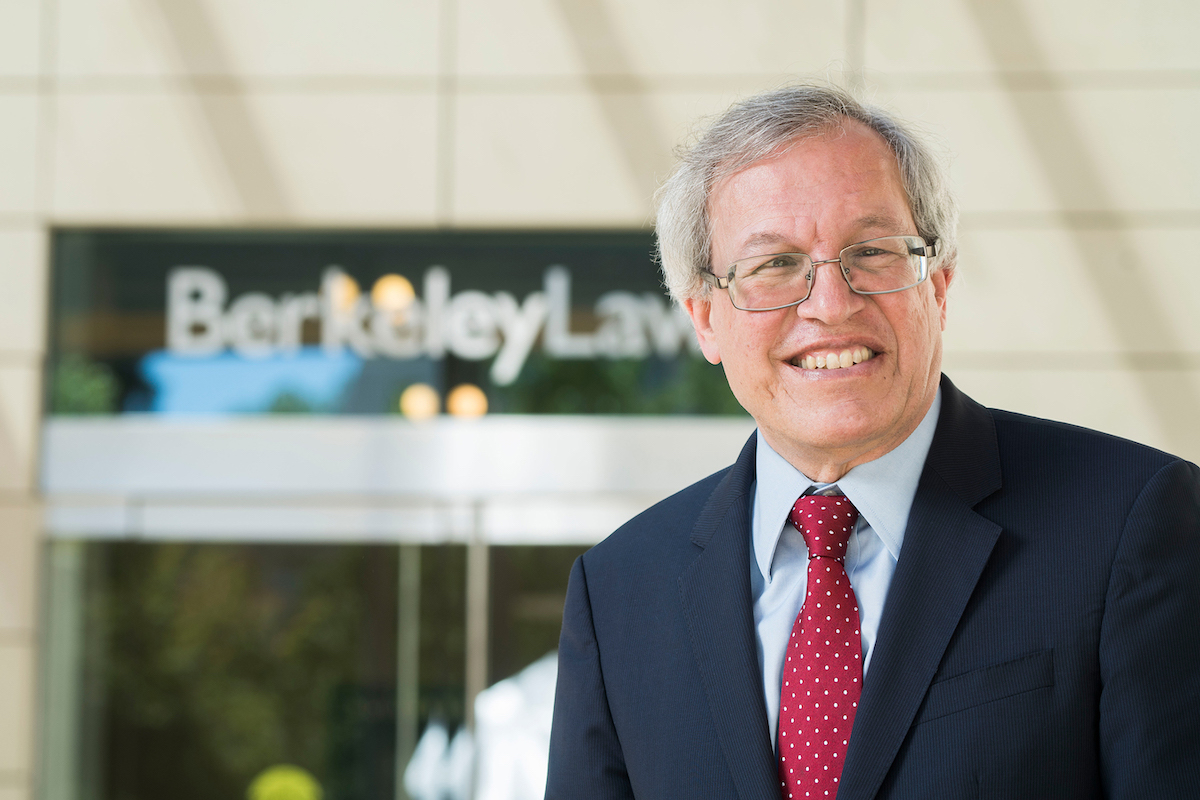
The DOJ letter cited remarks by Dean Erwin Chemerinsky in which he discussed using race-neutral rationales to preserve diversity and cautioned colleagues not to describe policies as efforts to circumvent the Supreme Court ruling, including: “If it’s presented with strong race neutral justifications, I think it’s much more likely to be allowed.”
5
The Berkeley case is part of a wider federal campaign in which all 10 University of California campuses have come under scrutiny, including earlier findings involving medical schools at UCLA and UC Davis.
The Trump administration accused UC Berkeley School of Law of illegally discriminating against white and Asian applicants in admissions for 2024 and 2025. Justice Department investigators said Black applicants in 2025 had 5.8 times the odds of admission as equally qualified white applicants. Federal officials alleged the school used essay prompts, application questions, and other tactics to sidestep the Supreme Court's 2023 ban on race-based admissions preferences.
Berkeley Law and the University of California system rejected the findings, saying race plays no role in admissions and that the process follows federal law and California's Proposition 209. Inside Higher Ed reported the Justice Department is demanding a compliance agreement and has threatened litigation if negotiations fail. The move is part of a broader federal crackdown on UC campuses and other California graduate programs.
Statistical Evidence Contradicts University's Racial Neutrality Claim
Federal investigators analyzed admissions data supplied by Berkeley Law itself. They found patterns that Justice Department officials said "could not reasonably have occurred by chance." In 2025, Black applicants faced odds 5.8 times higher than white applicants with comparable qualifications. The Epoch Times reported the government treated these statistics as substantial proof of intentional discrimination.
The university also refused to provide some information requested during the investigation, according to federal officials. This procedural resistance strengthened the government's case. Berkeley Side noted the Trump administration framed the statistical disparities as evidence of a deliberate scheme rather than coincidence or neutral decision-making.
Essay Prompts Alleged to Solicit Hidden Racial Information
The Supreme Court's 2023 ruling allows applicants to discuss how race shaped their lives—but only when tied concretely to a personal trait or ability they would contribute. Justice Department investigators alleged Berkeley Law crossed this line with essay prompts and application questions designed to extract racial information without naming it directly. Federal officials said the school used these "race-neutral proxies" to recreate the same preferences the Supreme Court banned.
Dean Erwin Chemerinsky's own remarks became key evidence. Inside Higher Ed reported he discussed using "race-neutral rationales" to preserve diversity, saying: "If it's presented with strong race neutral justifications, I think it's much more likely to be allowed." Federal prosecutors read this as an instruction to colleagues on how to hide racial considerations behind neutral language.
Broader Crackdown on University of California Medical and Law Schools
Berkeley Law is not alone. Inside Higher Ed reported the Trump administration has opened investigations into all 10 University of California campuses. Earlier findings involved medical schools at UCLA and UC Davis. The government signaled it will examine essays, application questions, institutional statements, and statistical outcomes for evidence of prohibited racial consideration.
The Justice Department has not ruled out suing Berkeley Law if negotiations fail. Yahoo News said federal officials are seeking a voluntary compliance agreement first. If the university refuses, litigation could set a precedent for how courts interpret what counts as illegal race-based admissions after the Supreme Court's 2023 decision. The outcome will likely shape enforcement at universities nationwide.
Sentiment
Mostly NegativeNEGATIVENEUTRALPOSITIVE
Publishers
13
Articles
132
Reach
145
A
AnonymousAuthor


