NYT Alleges EEOC Retaliation
New York Times Countersues EEOC, Alleging Retaliation Linked To Trump-Era Reporting
Anonymous
Key Points
1
The Times argues the EEOC filed its lawsuit eight days after The Times published a report that the agency is under pressure to pursue claims that fit the Trump administration's priorities, framing the action as retaliation and a First/Fifth Amendment issue.
2
On the deputy real estate editor hire, The Times contends the selected candidate, Bryant Rousseau, was more qualified due to extensive service journalism experience and a vision for the Real Estate desk’s future, while the EEOC alleged the finalist lacked real estate journalism experience.
3
The Times’ countersuit situates the EEOC investigation within a broader political context, noting that EEOC Chair Andrea Lucas has pursued corporate diversity policies and that Nike is also being investigated for allegedly discriminating against white employees.
4
The EEOC seeks court-ordered relief to bar the Times from implementing diversity, equity and inclusion policies and seeks unspecified damages against the newspaper.
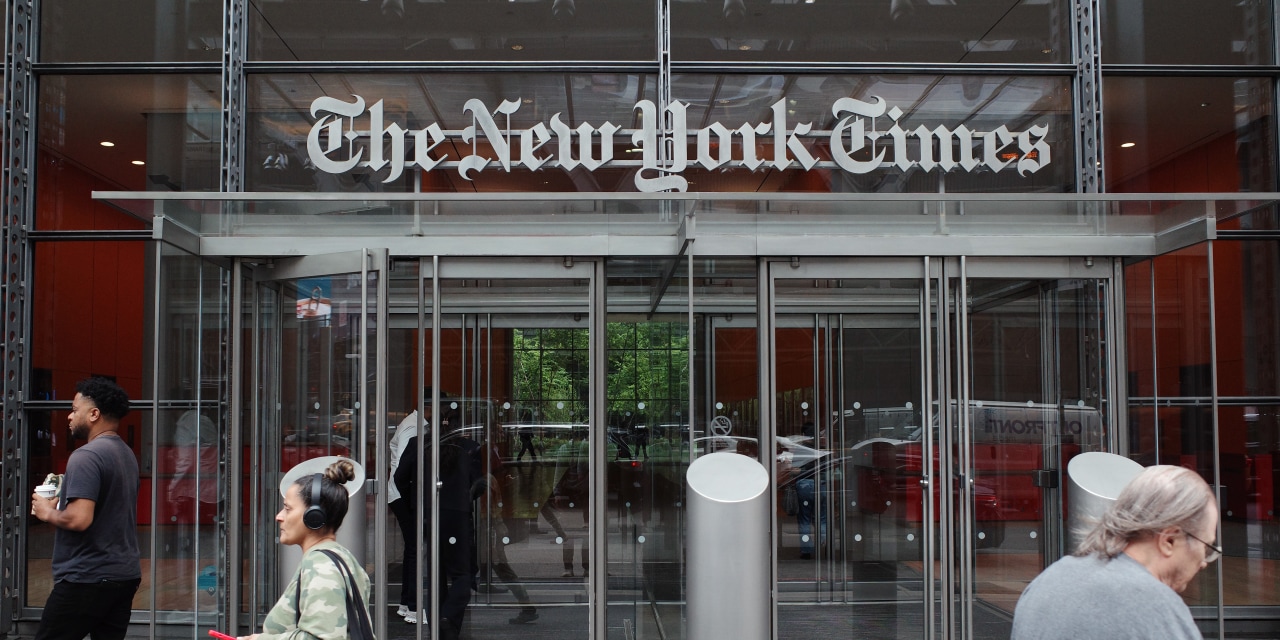
The New York Times has filed a countersuit against the Equal Employment Opportunity Commission, accusing the federal agency of political retaliation for the paper's critical coverage of the Trump administration, according to CNN and HuffPost. The Times claims the EEOC rushed its discrimination lawsuit just eight days after the paper published a report alleging the agency was prioritizing cases that fit the White House's goals.
The EEOC's original lawsuit accused the Times of passing over a white male employee for a deputy real estate editor job in 2025. The Times fired back, calling the agency's legal action a "retaliatory, bad faith use of" its authority, according to CNN.
EEOC Filed Suit Days After Damaging Times Report
The Times says the timing of the EEOC lawsuit is no coincidence. The agency sued just eight days after The Times published a story claiming the EEOC was under political pressure to pursue cases that align with the Trump administration's agenda, according to HuffPost. The Times argues this sequence of events reveals an improper motive and raises First and Fifth Amendment concerns.
The paper's countersuit frames the EEOC investigation as irregular from the start. It portrays EEOC Chair Andrea Lucas as part of a broader push to dismantle corporate diversity programs, according to The Wall Street Journal. The Times says the agency's true goal is to block the newspaper from running diversity and inclusion hiring policies.
The Disputed Hire at the Center of the Lawsuit
The EEOC's case centers on one specific hiring decision. The agency says the Times passed over a white male finalist for the deputy real estate editor role. The chosen candidate, Bryant Rousseau, was a woman of a different race, and the EEOC alleged the finalist lacked real estate journalism experience, according to HuffPost.
The Times strongly disputes this framing. It argues Rousseau was simply more qualified — citing her extensive service journalism background and a clear vision for the Real Estate desk's future. The paper also noted that other candidates of color with relevant experience were considered for the role, according to CNN.
EEOC Targets DEI Policies, Seeks Sweeping Court Orders
The EEOC is not just seeking money. The agency wants a court to bar the Times from using diversity, equity, and inclusion policies in its hiring decisions entirely, according to ca.headtopics.com. It is also seeking unspecified financial damages against the newspaper.
The Times is not alone in facing this kind of scrutiny. The EEOC under Chair Lucas is also investigating Nike for allegedly discriminating against white employees, according to The Wall Street Journal. Critics say these cases are part of a coordinated effort to use civil rights law to roll back corporate DEI programs nationwide.
A Flashpoint in the Fight Over Hiring and Free Speech
The case has become a symbol of a larger national debate. At its core is a fundamental question: when does considering race or gender in hiring count as a civil rights protection, and when does it become unlawful discrimination? Both sides claim the law is on their side, according to HuffPost.
For the Times, the stakes go beyond one job posting. The paper argues that a government agency is using legal pressure to punish a news outlet for its journalism. That argument, if it holds up in court, could set a significant precedent for press freedom and government overreach during the Trump era, according to CNN.
Sentiment
Mostly NegativeNEGATIVENEUTRALPOSITIVE
Publishers
12
Articles
181
Reach
193
A
AnonymousAuthor


