Bombay High Court Reviews Festival Noise, Pollution Rules
Bombay High Court Reviews Festival Noise, Pollution Rules
Anonymous
Key Points
1
The court questioned the lack of a uniform Maharashtra-wide policy, noting that Nagpur’s police commissioner and authorities in Solapur had already issued circulars restricting DJ sound systems and laser lights.
2
Advocate General Milind Sathe told the court that directions issued by the Director General of Police prohibit any musical instrument—regardless of its label—when it produces noise above permissible decibel limits.
3
When initiating the suo motu PIL, the High Court issued notices to the Maharashtra government, the Maharashtra Pollution Control Board and the Brihanmumbai Municipal Corporation, and sought the Advocate General’s presence to explain how noise and pollution laws were being implemented.
4
The Pune PIL is scheduled for hearing on October 5 and relies on an earlier 2016 High Court judgment that directed the state to prevent, control, monitor and abate noise pollution.
5
The Pune petition warns that unresolved disputes over loudspeakers could create broader law-and-order problems, citing the recent public assault of an activist who objected to high-decibel DJ systems before Ganeshotsav.
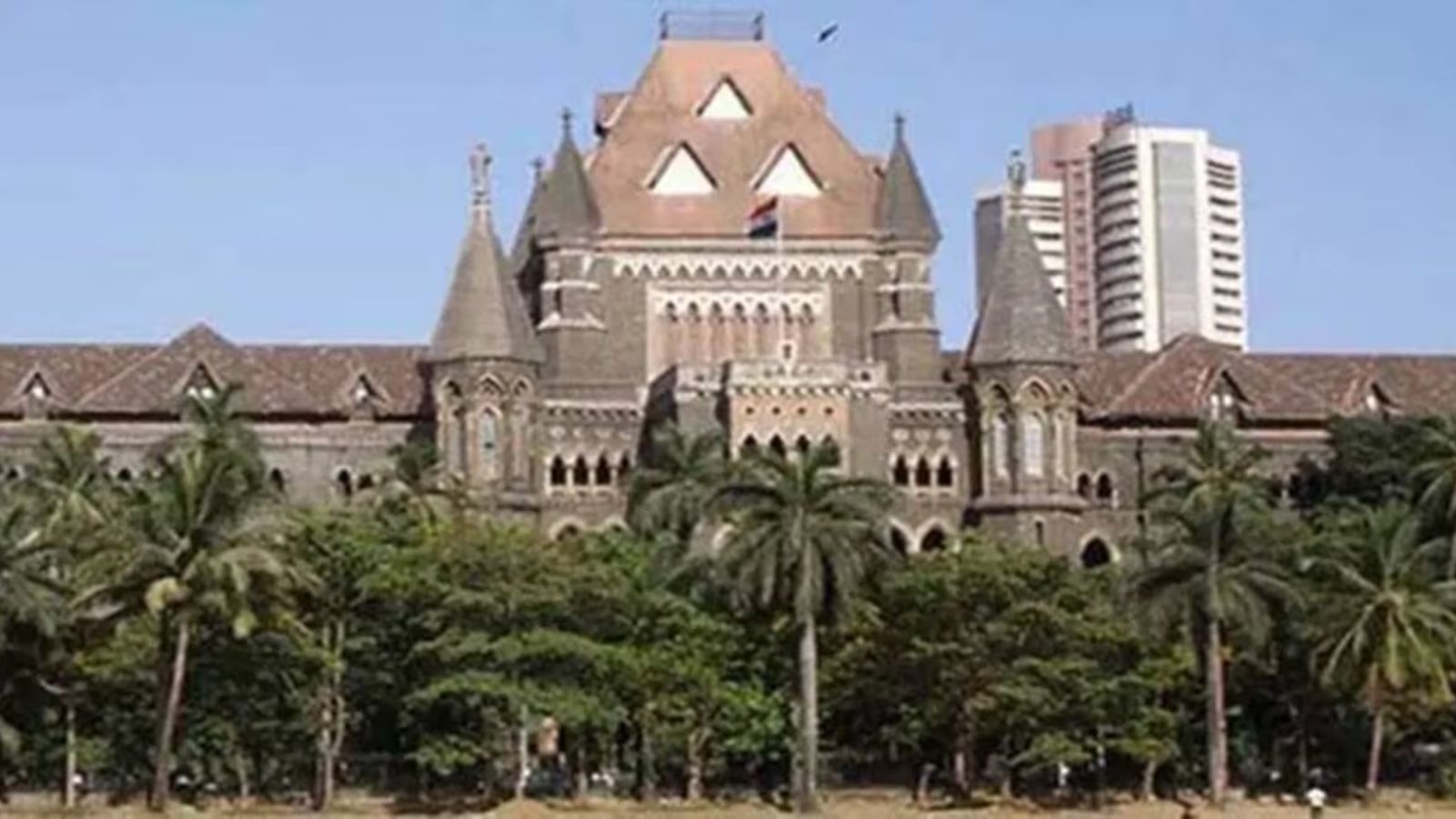
The Bombay High Court is cracking down on noise and air pollution during Ganeshotsav and other major festivals, warning that celebrations cannot endanger public health or trample residents' legal rights. A bench of Justices Girish Kulkarni and Neela Gokhale questioned why loudspeakers blast until midnight when noise rules ban them after 10 p.m., and signaled plans to ban polluting firecrackers on public roads and noise-making metal cylinders in processions Times of India.
The court is considering mandatory decibel monitoring, public display of sound-system permits, forfeitable deposits and equipment seizure for violations Rediff. It has ordered Maharashtra's government, pollution control board and local authorities to explain how noise laws are enforced and what action has been taken against violators.
Court Signals Ban on Firecrackers and High-Decibel Systems
The Bombay High Court indicated it will ban the burning of highly polluting firecrackers on public roads during festivals across Maharashtra Indian Express. Justices Kulkarni and Gokhale also questioned noise-making metal cylinders during processions, calling them a public nuisance. The court emphasized that 'celebrations are not meant for someone to die,' underscoring health risks from combined noise and air pollution Times of India.
Inconsistent Enforcement Across Maharashtra Cities
The court flagged the lack of a uniform state-wide noise policy. Some cities are already ahead: Nagpur's police commissioner and Solapur authorities have issued circulars restricting DJ sound systems and laser lights Times of India. Advocate General Milind Sathe told the court that the Director General of Police has issued directions prohibiting any musical instrument that produces noise above permissible decibel limits, regardless of its label.
Separate Pune Case Demands Independent Noise Monitoring
A parallel public interest litigation in Pune seeks independent monitoring and calibrated sound meters to enforce noise rules. The petition cites alleged failures by authorities and references a recent assault on an activist who objected to high-decibel DJ systems before Ganeshotsav Rediff. The Pune PIL is scheduled for hearing on October 5 and relies on a 2016 High Court judgment directing the state to prevent, control and monitor noise pollution.
The petition warns that unresolved disputes over loudspeakers could spark broader law-and-order problems. Police must act proactively rather than react after violations occur, the court stressed.
New Measures: Deposits, Permits and Decibel Caps
The court is considering a suite of enforcement tools: mandatory decibel monitoring at festival sites, public display of sound-system permissions, forfeitable security deposits and confiscation of equipment for violations. These measures aim to shift responsibility to organizers and give police concrete tools to punish repeat offenders without seeking court orders each time.
Sentiment
Mostly NegativeNEGATIVENEUTRALPOSITIVE
Publishers
24
Articles
12
Reach
36
Topics
A
AnonymousAuthor