Precious Metals Decline
Gold and silver prices edge lower globally and across Pakistan following profit-taking.
Anonymous
Key Points
1
Pakistan’s latest decline followed a sharp Rs6,900-per-tola increase the previous day, when gold reached Rs460,336 per tola.
2
The Federal Reserve’s September 16 meeting reportedly ended with a unanimous interest-rate increase, while policymakers’ projections indicated one more rate hike could occur this year.
3
U.S. 10-year Treasury yields remained near 5%, their highest level since April 2007, as persistent inflation and elevated energy prices reinforced expectations that the Federal Reserve could maintain a hawkish policy stance.
4
The international market was also influenced by restricted shipping through the Strait of Hormuz and unresolved pipeline disruptions in Saudi Arabia, although oil prices fell as investors anticipated faster recovery of Gulf infrastructure.
5
TechJuice attributed additional precious-metals volatility to stalled U.S.-Iran negotiations after President Trump demanded historical conflict compensation from Tehran, a development it said reduced the immediate prospect of reopening the Strait of Hormuz.
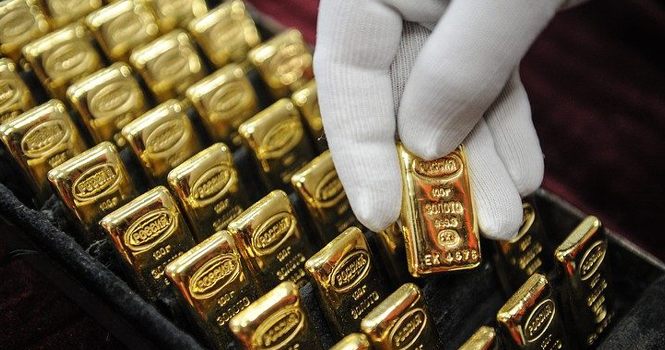
Gold and silver prices fell globally on Saturday after sharp gains the day before. In Pakistan, 24-karat gold dropped Rs100 per tola to Rs460,236, while 10 grams fell Rs85 to Rs394,578. Argaam reported international spot gold slipped $1 to $4,377 an ounce as profit-taking pressures eased prices.
The declines reflect competing market forces: the Federal Reserve's continued hawkish stance and elevated Treasury yields support the dollar and pressure gold, while Middle East tensions and supply disruptions provide safe-haven demand. TradingPedia noted geopolitical uncertainty and tighter monetary policy expectations drove prices lower in early Asian trade.
Pakistan's Reversal After Strong Friday Gains
Friday's dramatic Rs6,900-per-tola jump sent 24-karat gold to Rs460,336 — near its current level. Saturday's Rs100 decline suggests markets are taking profits after the spike. Silver also retreated, dropping Rs69 per tola to Rs7,100. The quick reversal signals buyer hesitation at higher prices.
Fed Rate Hikes Keep Treasury Yields Elevated
The Federal Reserve completed its September 16 meeting with a unanimous interest-rate increase, reinforcing hawkish expectations. TradingPedia noted U.S. 10-year Treasury yields remain near 5%, their highest level since April 2007. Policymakers' projections suggest one more rate hike could occur before year-end. Higher yields make non-yielding gold less attractive to investors.
Middle East Tensions Offset Geopolitical Safe-Haven Bid
Restricted shipping through the Strait of Hormuz and Saudi pipeline disruptions typically boost safe-haven demand for gold. Yet oil prices fell Saturday as markets expect faster Gulf infrastructure recovery. Argaam reported geopolitical developments in the Middle East weigh on both inflation expectations and global interest rates.
Stalled U.S.-Iran negotiations add another layer of uncertainty. President Trump's demand for historical conflict compensation from Tehran reduces near-term prospects for reopening the Strait of Hormuz. This uncertainty keeps volatility high even as oil price declines limit immediate precious-metals gains.
U.S. December Gold Futures Drop on Profit-Taking
The most actively traded U.S. December 2026 gold futures contract fell 0.16% to $4,380.60 on September 17. TradingPedia attributed the decline to increased expectations for tighter U.S. monetary policy combined with profit-taking after recent gains. Market volatility will remain tied to Fed policy shifts, Treasury yields, and Middle East developments.
Sentiment
Mostly NegativeNEGATIVENEUTRALPOSITIVE
Publishers
61
Articles
19
Reach
80
A
AnonymousAuthor


