New Bose Open-Ear Earbuds
Bose Announces Two New Open-Ear Wireless Earbuds Starting at $199
Anonymous
Key Points
1
The Ultra Open Earbuds (2nd Gen) will support a three-band equalizer and automatic volume control through the Bose app; Bose also cautions that using Cinema Mode or Immersive Audio substantially reduces battery life.
2
Bose plans to add Google Find Hub and Alexa+ support through a launch-day firmware update, while an Apple Music shortcut will provide direct access to users’ selected playlists.
3
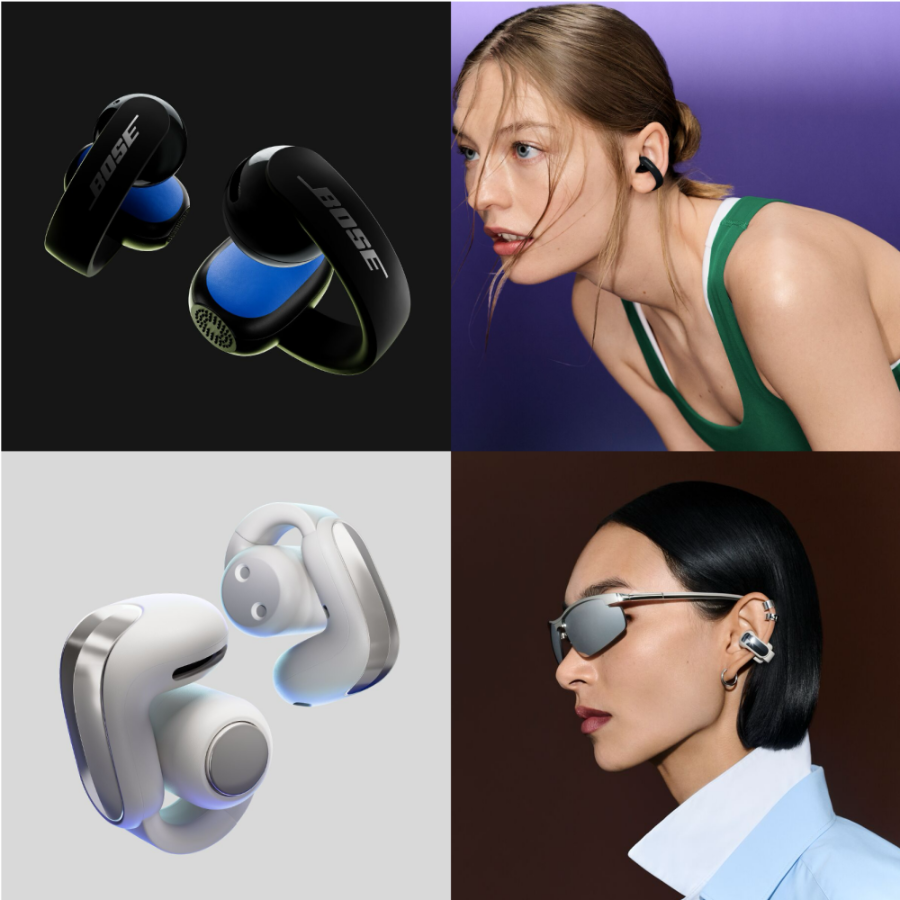
The Ultra Open Earbuds (2nd Gen) will be offered in five colors: black, white smoke, cherry chocolate, olive green and sky pink; the Sport model will come in black, white smoke and eucalyptus green.
4
The Sport Open Earbuds revive a product Bose discontinued after its 2021 launch, repositioning the line with a new clip-on design rather than the earlier loop-style form factor.
Bose has unveiled two new open-ear earbuds designed to reach different listeners. The $299 Ultra Open Earbuds (2nd Gen) boost audio quality with deeper bass, higher volume, and Cinema Mode spatial audio, while the $199 Sport Open Earbuds target fitness users with water and dust resistance. InVenGlobal reports both models arrive October 1, with preorders starting September 19.
The new lineup expands Bose's clip-on earbud strategy, which launched in early 2024. According to Raza Haider, Bose's president of premium consumer audio, the company is "building on that foundation, bringing the same focus on comfort and design into sport while making our flagship experience even better." Both earbuds let users hear their surroundings without blocking the ear canal.
Ultra Model Adds Cinema Sound and Wireless Charging
The Ultra Open Earbuds (2nd Gen) redesigns its internal driver to deliver louder, richer bass than the 2024 original. Stuff.tv notes the $299 model promises to be "louder and offer better bass" while keeping the comfortable cuff-style clip that made the first generation popular. New features include Cinema Mode for spatial audio, a three-band equalizer through the Bose app, and automatic volume control.
Battery life reaches nine hours of continuous playback, with the wireless charging case adding 19.5 hours for a total of 28.5 hours. However, Tech.Yahoo warns that enabling Cinema Mode or Immersive Audio substantially reduces battery run time. The earbuds come in five colors: black, white smoke, cherry chocolate, olive green, and sky pink.
Sport Model Revives Discontinued Fitness Line
The Sport Open Earbuds resurrect a Bose product line discontinued after 2021. MixdownMag reports the new $199 Sport model abandons the original's ear-hook design in favor of a secure C-shaped soft silicone arm cuff. The redesigned fit gives athletes more stability during workouts while maintaining open-ear audio benefits that let runners hear traffic and surroundings.
Physical textured buttons replace touch pads, making controls easier during heavy exercise when hands sweat. Durability includes IP54 rating for dust, sweat, and splash resistance—stricter than the Ultra's IPX4 splash-only standard. Battery runs seven hours per charge, with 22 additional hours stored in the wireless charging case.
Launch-Day Features and Smart Assistant Integration
Both models ship with Bluetooth 5.4 for pairing two devices at once. A firmware update arriving on October 1 adds Google Find Hub for device tracking, Alexa+ support for voice commands, and an Apple Music shortcut for direct playlist access. The upgrades extend the earbuds' usefulness beyond pure audio playback into smart home and music discovery ecosystems.
Qualcomm Technologies powers the Ultra model with Snapdragon Sound and aptX Adaptive codec support, delivering lower-latency audio for gaming and video. Each earbud weighs just ten grams, keeping the open-ear design light and comfortable for all-day wear. A 10-minute quick charge yields two hours of playback on the Ultra or one hour on the Sport.
Market Position Targets Lifestyle and Athletic Segments
GearPatrol highlights that Bose's dual-model strategy divides the open-ear market into two clear groups: everyday fashion-forward listeners who prioritize cinema audio and style, and serious athletes who need secure fit and durability. The pricing gap—$100 between models—signals Bose's confidence that both products address genuine market gaps left by bone-conduction rivals and traditional in-ear competitors.
Tech reviewers note that open-ear designs inherently trade some audio fidelity for situational awareness and ear comfort. The original Ultra model faced criticism for lacking deep bass and peak volume—complaints the 2nd Gen directly addresses. Success for both new earbuds depends on whether consumers accept a premium price for the unique clip-on form factor and open-audio philosophy.
Sentiment
Mostly PositiveNEGATIVENEUTRALPOSITIVE
Publishers
39
Articles
22
Reach
61
A
AnonymousAuthor


